- Today
- Holidays
- Birthdays
- Reminders
- Cities
- Atlanta
- Austin
- Baltimore
- Berwyn
- Beverly Hills
- Birmingham
- Boston
- Brooklyn
- Buffalo
- Charlotte
- Chicago
- Cincinnati
- Cleveland
- Columbus
- Dallas
- Denver
- Detroit
- Fort Worth
- Houston
- Indianapolis
- Knoxville
- Las Vegas
- Los Angeles
- Louisville
- Madison
- Memphis
- Miami
- Milwaukee
- Minneapolis
- Nashville
- New Orleans
- New York
- Omaha
- Orlando
- Philadelphia
- Phoenix
- Pittsburgh
- Portland
- Raleigh
- Richmond
- Rutherford
- Sacramento
- Salt Lake City
- San Antonio
- San Diego
- San Francisco
- San Jose
- Seattle
- Tampa
- Tucson
- Washington
Airports Struggle with Intense Security Screening in 2026
Advanced scanners, random searches, and staffing shortages create a harsher traveler experience at major hubs
Apr. 7, 2026 at 6:40am
Got story updates? Submit your updates here. ›
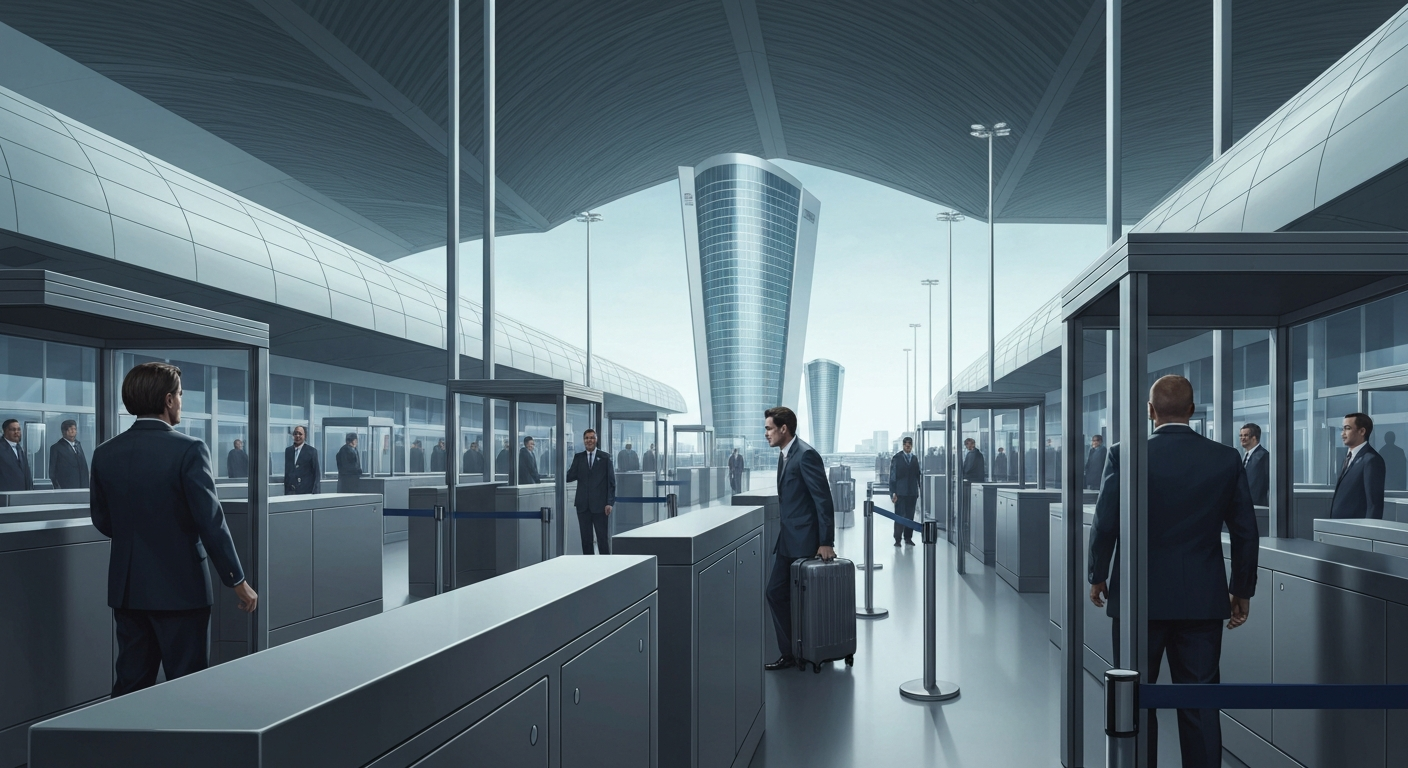 The new era of advanced airport security screening has created a tense, high-pressure experience for travelers, with technology, staffing shortages, and crowding colliding to reshape the psychology of travel.New Orleans Today
The airport security experience in 2026 has become more intense and stressful for travelers, with certain hubs like Atlanta, Houston, JFK, and New Orleans standing out for exceptionally long lines, aggressive screening, and a general sense of being overwhelmed. This is due to a combination of advanced identity-focused screening technology, staffing shortages, and high passenger volumes that are straining the system and changing the psychology of travel.
Why it matters
The new airport security reality reflects a broader tension between the desire for more efficient and secure travel, and the practical challenges of implementing these measures. As screening becomes more invasive and the checkpoint experience more stressful, it raises questions about the balance between public safety and personal privacy, as well as the ability of airports and the TSA to manage surging demand and staffing issues.
The details
Airports are investing in faster, smarter screening tools like facial recognition and touchless ID, but many major hubs are also struggling with staffing shortages, crowding, and backlogs. This combination is changing the emotional tone of security, with the checkpoint feeling less like a routine inconvenience and more like an operational stress test. Atlanta, for example, has become a 'stress-test capital' due to its massive scale and volume, while Houston's Hobby Airport made headlines for waits of up to 3.5 hours. JFK stands out for its layered scrutiny, combining TSA, customs, and border control, while New Orleans became a warning shot of what happens when a mid-sized airport gets overwhelmed.
- In March 2026, Reuters reported record-high TSA absentee rates and the longest checkpoint waits in the agency's history.
- The TSA's Touchless ID program is scheduled to reach 65 airports by spring 2026, bringing more facial matching into the checkpoint experience.
The players
Hartsfield-Jackson Atlanta International Airport
One of the busiest airports in the world, Atlanta has become a symbol of the intense security screening experience, with its massive scale and volume magnifying any cracks in checkpoint operations.
Houston Hobby Airport
This airport became a visual representation of the security meltdown, with Reuters reporting average security waits of around 3-3.5 hours during the March 2026 crunch.
John F. Kennedy International Airport
JFK stands out for its layered scrutiny, combining TSA screening, customs, and border control, making the overall traveler experience feel more intense and official.
Louis Armstrong New Orleans International Airport
New Orleans became a warning shot of what happens when a mid-sized airport gets overwhelmed, with lines snaking through the terminal and even out toward the parking area.
Transportation Security Administration (TSA)
The U.S. federal agency responsible for security in the nation's transportation systems, the TSA has been at the center of the 2026 security screening crisis, with record-high absentee rates and the longest checkpoint waits in the agency's history.
What’s next
The TSA and airport authorities are working to address the staffing shortages and infrastructure challenges that have contributed to the intense security screening experience, with a focus on improving efficiency and reducing wait times for travelers.
The takeaway
The new airport security reality in 2026 reflects a broader tension between the desire for more efficient and secure travel, and the practical challenges of implementing these measures. As screening becomes more invasive and the checkpoint experience more stressful, it raises questions about the balance between public safety and personal privacy, as well as the ability of airports and the TSA to manage surging demand and staffing issues.