- Today
- Holidays
- Birthdays
- Reminders
- Cities
- Atlanta
- Austin
- Baltimore
- Berwyn
- Beverly Hills
- Birmingham
- Boston
- Brooklyn
- Buffalo
- Charlotte
- Chicago
- Cincinnati
- Cleveland
- Columbus
- Dallas
- Denver
- Detroit
- Fort Worth
- Houston
- Indianapolis
- Knoxville
- Las Vegas
- Los Angeles
- Louisville
- Madison
- Memphis
- Miami
- Milwaukee
- Minneapolis
- Nashville
- New Orleans
- New York
- Omaha
- Orlando
- Philadelphia
- Phoenix
- Pittsburgh
- Portland
- Raleigh
- Richmond
- Rutherford
- Sacramento
- Salt Lake City
- San Antonio
- San Diego
- San Francisco
- San Jose
- Seattle
- Tampa
- Tucson
- Washington
Pregnancy Infections Linked to 13% Higher Autism Risk
Experts offer advice for expectant mothers to focus on overall health during pregnancy
Apr. 2, 2026 at 12:31pm
Got story updates? Submit your updates here. ›
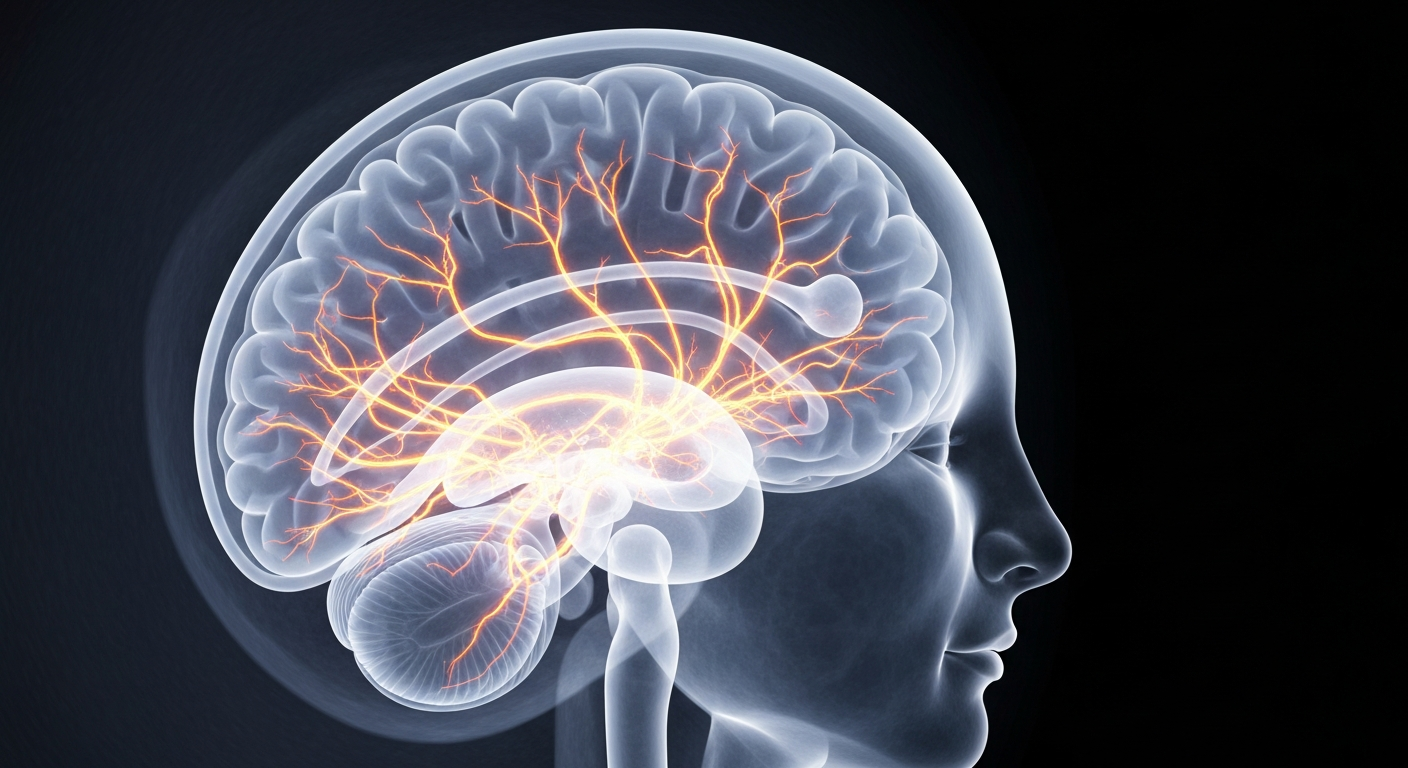 A new study highlights how maternal health during pregnancy can influence a child's brain development and autism risk.New Orleans Today
A new study from Tulane University suggests that infections during pregnancy may raise the risk of autism in children by 13%. While the link does not imply certainty, it highlights how maternal health can influence a child's brain development. Experts advise expectant mothers to focus on maintaining a healthy lifestyle, avoiding unnecessary medications, and seeking medical advice for any illnesses or symptoms, especially during the critical first trimester when organ and neurological development occurs.
Why it matters
The findings underscore the complex interplay of factors that can contribute to autism spectrum disorder, which has no single known cause. While the increased risk is concerning, experts emphasize that most pregnancies progress without complications and the scientific consensus does not support the idea that infections alone cause autism. The key is for expectant mothers to prioritize their overall health and prenatal care.
The details
The study led by researchers at Tulane University found that maternal exposure to infections during pregnancy may raise the risk of autism in children by 13%. However, experts caution that this association does not imply a direct causal link. Autism spectrum disorder is a neurodevelopmental disorder influenced by a combination of genetic, environmental, and other factors. The first trimester is considered a particularly sensitive period, as this is when the baby's organs and neurological structures develop. Doctors advise expectant mothers to focus on maintaining a healthy lifestyle, avoiding unnecessary medications, and promptly seeking medical attention for any illnesses or symptoms that arise during this critical time.
- The Tulane University study was published in January 2026.
The players
Dr. Poonam Sidana
Director of Neonatology and Paediatrics at CK Birla Hospital in Delhi.
Dr. Supriya Malik
Developmental Psychologist and Head of the Child Development Centre at Madhukar Rainbow Children's Hospital.
Tulane University
The university where the research study on the link between pregnancy infections and autism risk was conducted.
What they’re saying
“The first trimester of pregnancy is considered a sensitive period because the development of organs and neurological structures in the baby takes place during this period.”
— Dr. Poonam Sidana, Director of Neonatology and Paediatrics
“Pregnancy especially the first trimester is a critical period when the development of the child's organs and brain occurs. During the first trimester a healthy lifestyle, avoidance of unnecessary medications and seeking medical advice on the occurrence of illness or symptomatology become essential.”
— Dr. Supriya Malik, Developmental Psychologist, Head of Child Development Centre
What’s next
Researchers at Tulane University plan to conduct further studies to better understand the specific mechanisms by which maternal infections may influence autism risk in children.
The takeaway
While the new findings highlight a potential link between pregnancy infections and increased autism risk, experts emphasize that this association does not imply a direct causal relationship. The key for expectant mothers is to focus on maintaining overall health and seeking prompt medical care, rather than worrying excessively about a single factor. Most pregnancies progress without complications, and the scientific consensus does not support the idea that infections alone cause autism.
New Orleans top stories



New Orleans events

Apr. 2, 2026
Comedy Gumbeaux
Apr. 2, 2026
Scarlet Reverie & Hypno Nun
Apr. 2, 2026
Brad Walker Quartet with Stanton Moore