- Today
- Holidays
- Birthdays
- Reminders
- Cities
- Atlanta
- Austin
- Baltimore
- Berwyn
- Beverly Hills
- Birmingham
- Boston
- Brooklyn
- Buffalo
- Charlotte
- Chicago
- Cincinnati
- Cleveland
- Columbus
- Dallas
- Denver
- Detroit
- Fort Worth
- Houston
- Indianapolis
- Knoxville
- Las Vegas
- Los Angeles
- Louisville
- Madison
- Memphis
- Miami
- Milwaukee
- Minneapolis
- Nashville
- New Orleans
- New York
- Omaha
- Orlando
- Philadelphia
- Phoenix
- Pittsburgh
- Portland
- Raleigh
- Richmond
- Rutherford
- Sacramento
- Salt Lake City
- San Antonio
- San Diego
- San Francisco
- San Jose
- Seattle
- Tampa
- Tucson
- Washington
AI Integration Reshapes Digital Marketing Strategies
Automated tools and real-time data processing are driving more dynamic, responsive marketing campaigns.
Mar. 30, 2026 at 6:50am
Got story updates? Submit your updates here. ›
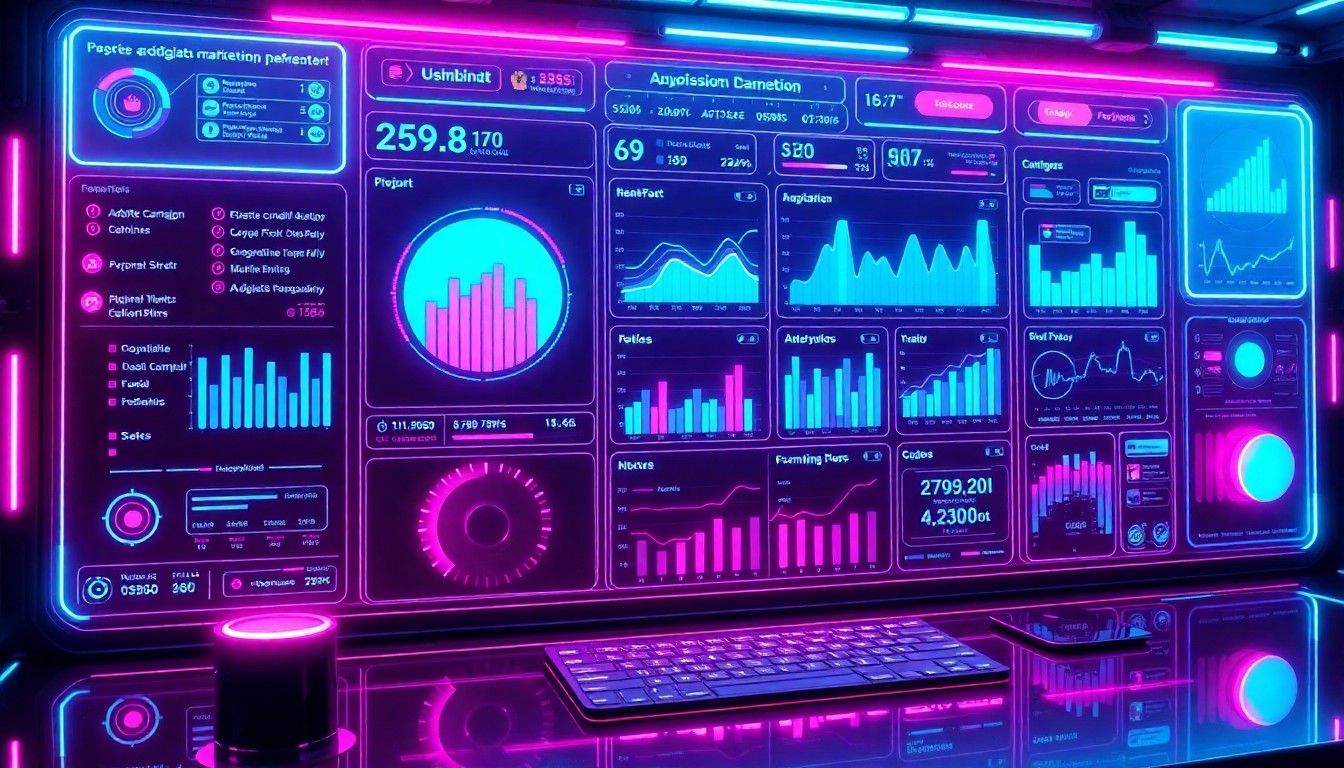 As AI-powered marketing tools become more sophisticated, the industry is shifting toward dynamic, data-driven strategies that respond to real-time consumer behavior.New Orleans Today
The integration of artificial intelligence into digital marketing systems is continuing to shape how marketing strategies are developed, executed, and evaluated across multiple industries. As organizations manage increasing volumes of data and more complex consumer behavior patterns, AI-driven tools are being incorporated into marketing workflows to support analysis, targeting, and campaign optimization.
Why it matters
The adoption of AI technologies in marketing presents both opportunities and operational considerations. While automated systems can contribute to execution and analysis, strategic planning and creative direction remain dependent on human input. Ensuring data accuracy and consistency is an important factor in maintaining reliable outputs from AI-driven tools.
The details
Recent developments in digital marketing platforms have highlighted a shift toward real-time data processing and adaptive campaign management. Traditional marketing methods often relied on static datasets and scheduled adjustments, while AI-enabled systems are designed to respond dynamically to changing conditions. This approach allows for continuous refinement of messaging, timing, and channel selection based on current performance indicators. Audience targeting methods are also evolving as AI tools analyze behavioral signals, interaction history, and engagement patterns to support more granular segmentation. Content planning processes are being influenced by AI-assisted analysis of search behavior and topic trends, allowing marketing teams to incorporate predictive insights into editorial planning. Advertising and email marketing systems are adopting automation features that adjust campaign parameters in real time based on engagement and conversion data.
- The integration of AI into digital marketing has been an ongoing trend over the past several years.
- Recent platform updates have highlighted a shift toward real-time data processing and adaptive campaign management in 2026.
The players
Brett Thomas
Owner of Jambalaya Marketing, a marketing agency in New Orleans, Louisiana.
What they’re saying
“Marketing strategies are becoming more dynamic as AI systems process data and adjust campaigns in real time. The focus is shifting toward systems that respond to behavior rather than relying on static planning.”
— Brett Thomas, Owner, Jambalaya Marketing
What’s next
As the adoption of AI in marketing continues to expand, organizations will need to evaluate data governance practices to align with privacy regulations and transparency standards. Ongoing developments indicate a continued shift toward data-driven systems designed to improve responsiveness and operational efficiency across marketing channels.
The takeaway
The integration of AI into digital marketing is driving a more dynamic, responsive approach to campaign management and audience targeting. While automated tools can enhance execution and analysis, strategic planning and creative direction will remain dependent on human oversight to ensure data accuracy and alignment with evolving consumer behavior.
New Orleans top stories



New Orleans events

Apr. 2, 2026
Comedy Gumbeaux