- Today
- Holidays
- Birthdays
- Reminders
- Cities
- Atlanta
- Austin
- Baltimore
- Berwyn
- Beverly Hills
- Birmingham
- Boston
- Brooklyn
- Buffalo
- Charlotte
- Chicago
- Cincinnati
- Cleveland
- Columbus
- Dallas
- Denver
- Detroit
- Fort Worth
- Houston
- Indianapolis
- Knoxville
- Las Vegas
- Los Angeles
- Louisville
- Madison
- Memphis
- Miami
- Milwaukee
- Minneapolis
- Nashville
- New Orleans
- New York
- Omaha
- Orlando
- Philadelphia
- Phoenix
- Pittsburgh
- Portland
- Raleigh
- Richmond
- Rutherford
- Sacramento
- Salt Lake City
- San Antonio
- San Diego
- San Francisco
- San Jose
- Seattle
- Tampa
- Tucson
- Washington
Louisiana Completes Largest Coastal Restoration Project After Hurricane Katrina
Twenty years after the devastating storm, the state has rebuilt 60 miles of barrier islands and beaches.
Published on Feb. 12, 2026
Got story updates? Submit your updates here. ›
Twenty years after Hurricane Katrina made landfall on the Gulf Coast as a Category 3 storm, Louisiana has completed its largest coastal restoration project in state history. The project represents the largest marsh creation project in Louisiana history and provides a layer of natural protection for the levees rebuilt after Katrina. The effort included restoring the state's coastline, which had seen about 2,000 square miles of land disappear over the last century due to factors like oil field canals and levee construction.
Why it matters
Katrina was a wake-up call that highlighted the failure of both the levee system and the natural ecosystem in Louisiana. The coastal restoration project aims to rebuild the state's natural defenses against future storms, which is crucial as climate change increases the frequency and intensity of hurricanes.
The details
The coastal restoration project involved pumping 13 million cubic yards of dredge material to turn six miles of open water into land. Planners gave special attention to mimicking nature, creating natural-looking bayous to allow for tidal flow. While the coast today is smaller than before Katrina, advocates say Louisiana is in a better place, with the state having rebuilt about 60 miles of barrier islands and beaches.
- Hurricane Katrina made landfall on the Gulf Coast as a Category 3 storm in 2006.
- Five years after Katrina, in 2010, the BP oil spill provided $9 billion in funding for Louisiana's coastal restoration efforts.
- In July 2025, Louisiana pulled the plug on two of its largest restoration projects that would have used the power of the Mississippi River to build wetlands.
- In May 2025, Congress gave the state a larger share of offshore oil revenue — $500 million over 10 years.
- The money from the BP oil spill is set to run out in 2031.
The players
Jay Roman
Owner of Cafe du Monde.
Alisha Renfro
A coastal scientist with the National Wildlife Federation.
Simone Maloz
Heads the group Restore the Mississippi River Delta.
Ray Gonzalez
Works for Mike Hooks, a contractor on the Lake Borgne project.
Rick Owens
Represents the Louisiana Wildlife Federation.
What they’re saying
“The discussion was how fast can we do this? It was never about whether we do it or not.”
— Jay Roman, Owner of Cafe du Monde
“And unfortunately, a disaster had to happen to give us the clarity and motivation to really think big, to be ambitious.”
— Alisha Renfro, Coastal scientist, National Wildlife Federation
“You can't just build a levee over here or just a piece of marsh over there. We have to be thinking about those things together.”
— Simone Maloz, Head of Restore the Mississippi River Delta
“I've been here from the very beginning. So, I've seen it from the rawest stage to the most completed stage and it's very rewarding.”
— Ray Gonzalez, Contractor, Mike Hooks
“This system, and everything that we benefit from it, from shrimp to crabs to the fish we catch, to the alligators, to the birds, it all requires that balance. It requires the balance of fresh to salt, it requires the water that moves through here.”
— Rick Owens, Louisiana Wildlife Federation
What’s next
In 2031, when the money from the BP oil spill runs out, Louisiana will need to secure a permanent source of funding to continue its coastal restoration efforts at the same pace as the last decade.
The takeaway
The completion of Louisiana's largest coastal restoration project since Hurricane Katrina demonstrates the state's commitment to rebuilding its natural defenses against future storms, which is crucial as climate change increases the frequency and intensity of hurricanes. However, securing long-term funding remains a key challenge for the state to maintain this momentum.
New Orleans top stories

New Orleans events

Mar. 10, 2026
Phantom Of The Opera (Touring)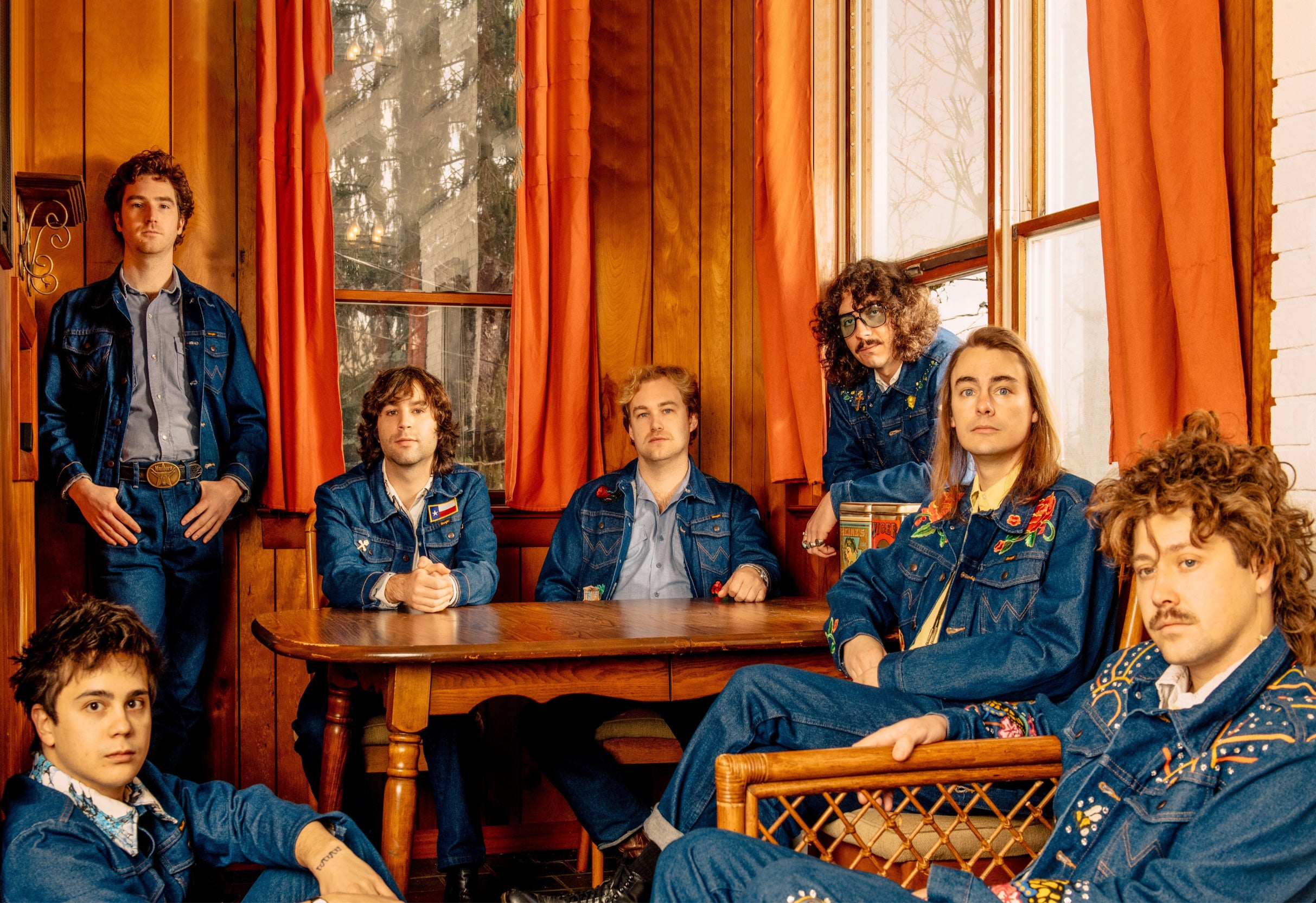
Mar. 10, 2026
The Nude Party
Mar. 11, 2026
New Orleans Pelicans vs. Toronto Raptors