- Today
- Holidays
- Birthdays
- Reminders
- Cities
- Atlanta
- Austin
- Baltimore
- Berwyn
- Beverly Hills
- Birmingham
- Boston
- Brooklyn
- Buffalo
- Charlotte
- Chicago
- Cincinnati
- Cleveland
- Columbus
- Dallas
- Denver
- Detroit
- Fort Worth
- Houston
- Indianapolis
- Knoxville
- Las Vegas
- Los Angeles
- Louisville
- Madison
- Memphis
- Miami
- Milwaukee
- Minneapolis
- Nashville
- New Orleans
- New York
- Omaha
- Orlando
- Philadelphia
- Phoenix
- Pittsburgh
- Portland
- Raleigh
- Richmond
- Rutherford
- Sacramento
- Salt Lake City
- San Antonio
- San Diego
- San Francisco
- San Jose
- Seattle
- Tampa
- Tucson
- Washington
Monroe Today
By the People, for the People
U.S. Forces Seized Control of Baghdad in 2003
The climactic battle of the Iraq invasion marked the fall of Saddam Hussein's regime.
Apr. 9, 2026 at 11:54am
Got story updates? Submit your updates here. ›
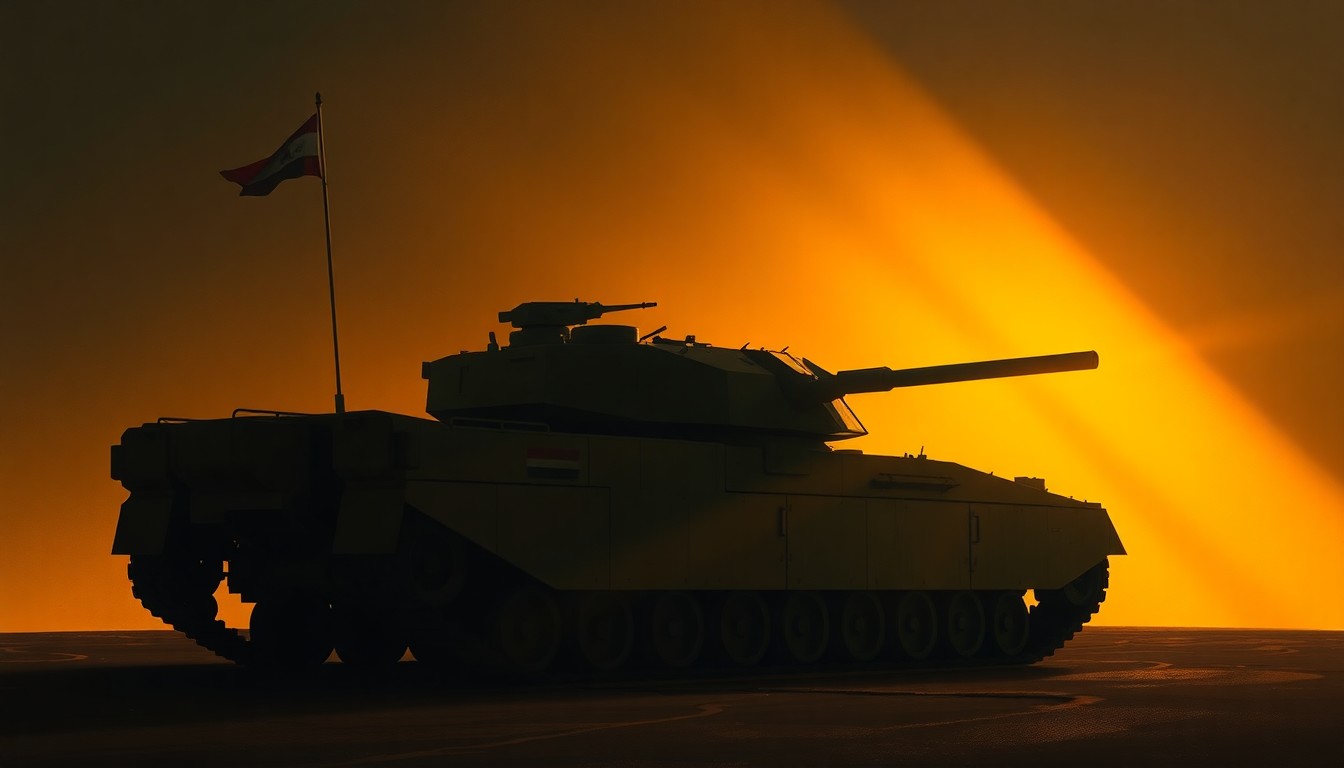 The iconic image of a U.S. tank rolling through the streets of Baghdad became a symbol of the regime change that followed the 2003 invasion.Monroe Today
On April 9, 2003, U.S. and coalition forces seized control of the Iraqi capital of Baghdad, marking the climax of the 2003 invasion of Iraq. Saddam Hussein and his inner circle fled the city as American troops advanced, and the iconic image of a 34-foot bronze statue of Hussein being toppled in Firdos Square became a symbol of the regime's collapse.
Why it matters
The fall of Baghdad was a pivotal moment in the Iraq War, signaling the end of Saddam Hussein's 24-year rule and the beginning of a long U.S. military presence in the country. While the initial invasion was swift, violence and instability continued in Iraq for years afterward.
The details
The ground assault on Baghdad was preceded by aerial bombing and high-speed raids by U.S. Army Infantry on April 5 and 7. Coalition forces lost 34 soldiers, while it's estimated that over 2,000 Iraqi combatants were killed. The most iconic image from the battle was the destruction of a 34-foot bronze statue of Saddam Hussein in Firdos Square.
- The 2003 invasion of Iraq began in March.
- U.S. and coalition forces seized control of Baghdad on April 9, 2003.
- Saddam Hussein was captured in December 2003.
The players
U.S. Armed Forces
The military forces of the United States that led the 2003 invasion of Iraq and the subsequent occupation of the country.
Saddam Hussein
The former president of Iraq, who was ousted from power and went into hiding following the U.S. invasion.
What’s next
U.S. forces maintained a presence in Iraq until December 2011, nearly a decade after the initial invasion.
The takeaway
The fall of Baghdad marked a pivotal moment in the Iraq War, signaling the collapse of Saddam Hussein's regime and the beginning of a long and complex U.S. military involvement in the country.
Monroe top stories


Monroe events

Apr. 10, 2026
Monroe Moccasins vs. Athens Rock Lobsters
Apr. 11, 2026
Monroe Moccasins vs. Athens Rock Lobsters