- Today
- Holidays
- Birthdays
- Reminders
- Cities
- Atlanta
- Austin
- Baltimore
- Berwyn
- Beverly Hills
- Birmingham
- Boston
- Brooklyn
- Buffalo
- Charlotte
- Chicago
- Cincinnati
- Cleveland
- Columbus
- Dallas
- Denver
- Detroit
- Fort Worth
- Houston
- Indianapolis
- Knoxville
- Las Vegas
- Los Angeles
- Louisville
- Madison
- Memphis
- Miami
- Milwaukee
- Minneapolis
- Nashville
- New Orleans
- New York
- Omaha
- Orlando
- Philadelphia
- Phoenix
- Pittsburgh
- Portland
- Raleigh
- Richmond
- Rutherford
- Sacramento
- Salt Lake City
- San Antonio
- San Diego
- San Francisco
- San Jose
- Seattle
- Tampa
- Tucson
- Washington
Jena Today
By the People, for the People
Storm System Sweeps Across Southeast, Triggering Tornado Watches and Damaging Winds
No deaths or serious injuries reported, but power outages impact thousands across the region.
Published on Feb. 15, 2026
Got story updates? Submit your updates here. ›
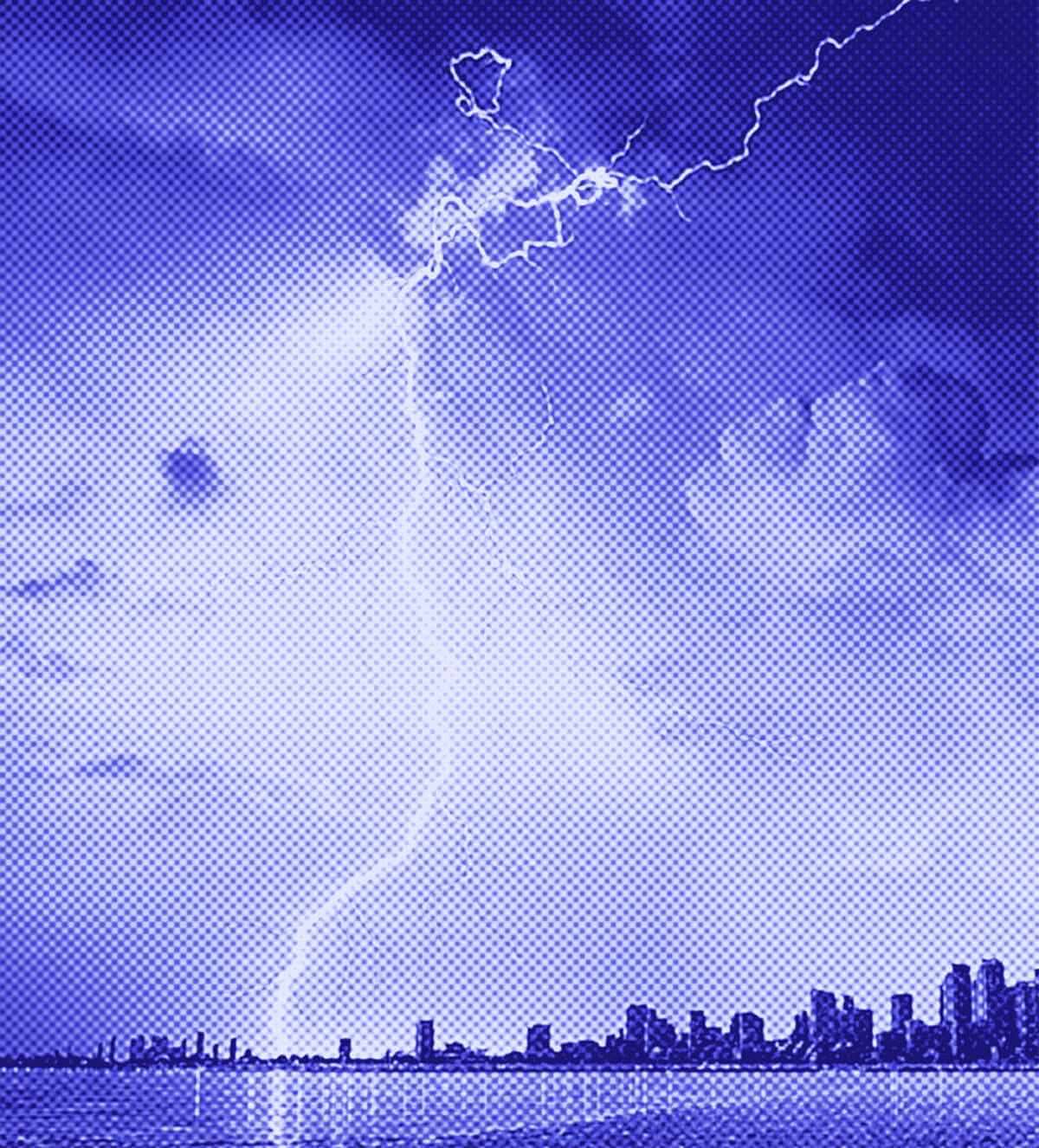
A strong storm system moved through the Southeast late Saturday and Sunday, bringing tornado warnings to Mississippi and Louisiana, and then impacting parts of Georgia and Florida. The storms caused damage to infrastructure, including overturned trailers, damaged airport equipment, and downed power lines, leading to thousands of power outages across the region. Meanwhile, the Northeast began to thaw after weeks of bitterly cold weather.
Why it matters
Severe weather events like this can cause significant disruptions and damage, underscoring the need for preparedness and resilience in communities across the Southeast. The contrast between the extreme weather in the South and the warming temperatures in the Northeast also highlights the regional variations in climate patterns.
The details
The fiercest storms were reported near Lake Charles, Louisiana, where high winds from a thunderstorm overturned a horse trailer and a Mardi Gras float, damaged an airport jet bridge, and flung a metal awning into power lines. Power poles were also snapped and toppled near the Louisiana towns of Jena, Cheneyville, and Donaldsonville. While no deaths or serious injuries were reported, the storms led to power outages across the region, with over 12,000 customers without power in northern Florida, 7,000 in Mississippi, and 6,000 in Louisiana.
- The storm system swept through the Southeast late Saturday and Sunday.
- On Sunday, the National Weather Service reported tornado watches in Mississippi and Louisiana, and the storm system then moved into parts of Georgia and Florida.
The players
National Weather Service
The federal agency that monitors and forecasts weather conditions in the United States.
What they’re saying
“So if they are traveling, packing winter safety kits. Anything to be prepared. This is a bigger system, and a major system.”
— Jacob Spender, Meteorologist, National Weather Service in Sacramento (wral.com)
What’s next
The National Weather Service will continue to monitor the storm system and issue any necessary weather advisories or warnings for the affected regions.
The takeaway
This severe weather event highlights the importance of preparedness and resilience in communities across the Southeast, as well as the need to address the regional variations in climate patterns and their impacts.