- Today
- Holidays
- Birthdays
- Reminders
- Cities
- Atlanta
- Austin
- Baltimore
- Berwyn
- Beverly Hills
- Birmingham
- Boston
- Brooklyn
- Buffalo
- Charlotte
- Chicago
- Cincinnati
- Cleveland
- Columbus
- Dallas
- Denver
- Detroit
- Fort Worth
- Houston
- Indianapolis
- Knoxville
- Las Vegas
- Los Angeles
- Louisville
- Madison
- Memphis
- Miami
- Milwaukee
- Minneapolis
- Nashville
- New Orleans
- New York
- Omaha
- Orlando
- Philadelphia
- Phoenix
- Pittsburgh
- Portland
- Raleigh
- Richmond
- Rutherford
- Sacramento
- Salt Lake City
- San Antonio
- San Diego
- San Francisco
- San Jose
- Seattle
- Tampa
- Tucson
- Washington
Owensboro Today
By the People, for the People
Forensic Approach Reveals TPO Surface Oxidation Risks
Building enclosure experts warn of the 'Weld Window' liability for aging TPO roofing systems
Published on Mar. 4, 2026
Got story updates? Submit your updates here. ›
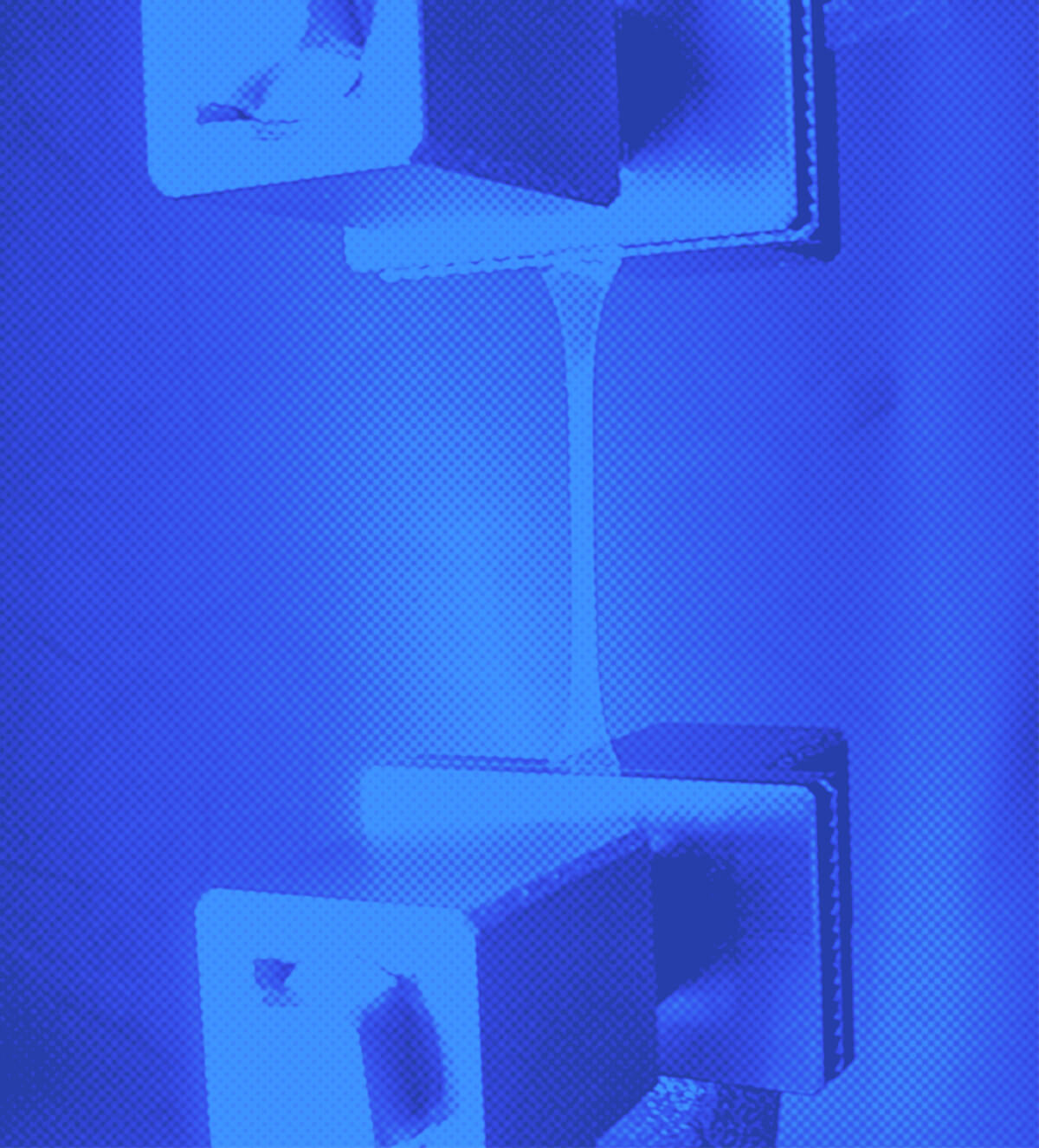
A forensic investigation into the material science behind thermoplastic polyolefin (TPO) roofing membranes reveals an invisible 'Weld Window' liability that building owners and facility managers must address to avoid costly repairs and replacements. As TPO ages, its surface oxidizes and loses the flexibility required for reliable repairs, leading to delamination and moisture intrusion that can damage building structures.
Why it matters
TPO has become a popular roofing material due to its competitive upfront cost and quick installation, but building enclosure professionals warn that its relatively young technology and susceptibility to surface oxidation create long-term risks that must be carefully managed. Ignoring the closing of the 'Weld Window' can lead to a cycle of failed patch repairs and significant unrecovered losses from increased HVAC costs and premature roof replacements.
The details
TPO membranes have a dynamic 'Weld Window' timeframe during which the material remains receptive to molecular fusion through heat and pressure for reliable repairs. However, TPO is vulnerable to contamination from hydrocarbons and organic fats, which cause the material to swell and lose its physical properties, leading to cracking and the closure of the Weld Window. Once the Weld Window is closed, attempting to patch the membrane results in only a mechanical bond rather than a true molecular fusion, making the repairs prone to delamination.
- TPO was introduced in the 1990s as a budget-friendly alternative to more mature roofing technologies.
- The 'Weld Window' for TPO typically lasts 7-10 years before the surface begins to oxidize and lose flexibility.
The players
Thermoplastic Polyolefin (TPO)
A roofing membrane material that has become popular due to its competitive upfront cost and quick installation, but is susceptible to surface oxidation and the closing of its 'Weld Window' over time.
Polyvinyl Chloride (PVC)
An older roofing membrane material that is naturally fire-resistant and remains heat-weldable throughout its entire service life, maintaining its 'Weld Window' for decades.
What’s next
Building owners and facility managers should conduct forensic audits to assess the status of their TPO roofing systems and determine if the 'Weld Window' has closed, which would require a full roof replacement rather than patchwork repairs.
The takeaway
The material science behind TPO membrane aging is a critical consideration for building owners and facility managers, as ignoring the closing of the 'Weld Window' can lead to a cycle of failed repairs and significant unrecovered losses. Proactive forensic analysis is essential to avoid compounding liability and ensure the long-term integrity of the building enclosure.