- Today
- Holidays
- Birthdays
- Reminders
- Cities
- Atlanta
- Austin
- Baltimore
- Berwyn
- Beverly Hills
- Birmingham
- Boston
- Brooklyn
- Buffalo
- Charlotte
- Chicago
- Cincinnati
- Cleveland
- Columbus
- Dallas
- Denver
- Detroit
- Fort Worth
- Houston
- Indianapolis
- Knoxville
- Las Vegas
- Los Angeles
- Louisville
- Madison
- Memphis
- Miami
- Milwaukee
- Minneapolis
- Nashville
- New Orleans
- New York
- Omaha
- Orlando
- Philadelphia
- Phoenix
- Pittsburgh
- Portland
- Raleigh
- Richmond
- Rutherford
- Sacramento
- Salt Lake City
- San Antonio
- San Diego
- San Francisco
- San Jose
- Seattle
- Tampa
- Tucson
- Washington
Public Helps UK Scientists Uncover Hawk Diets
Citizen science data reveals Cooper's and Sharp-shinned Hawks' bird-focused hunting habits.
Apr. 3, 2026 at 12:08am
Got story updates? Submit your updates here. ›
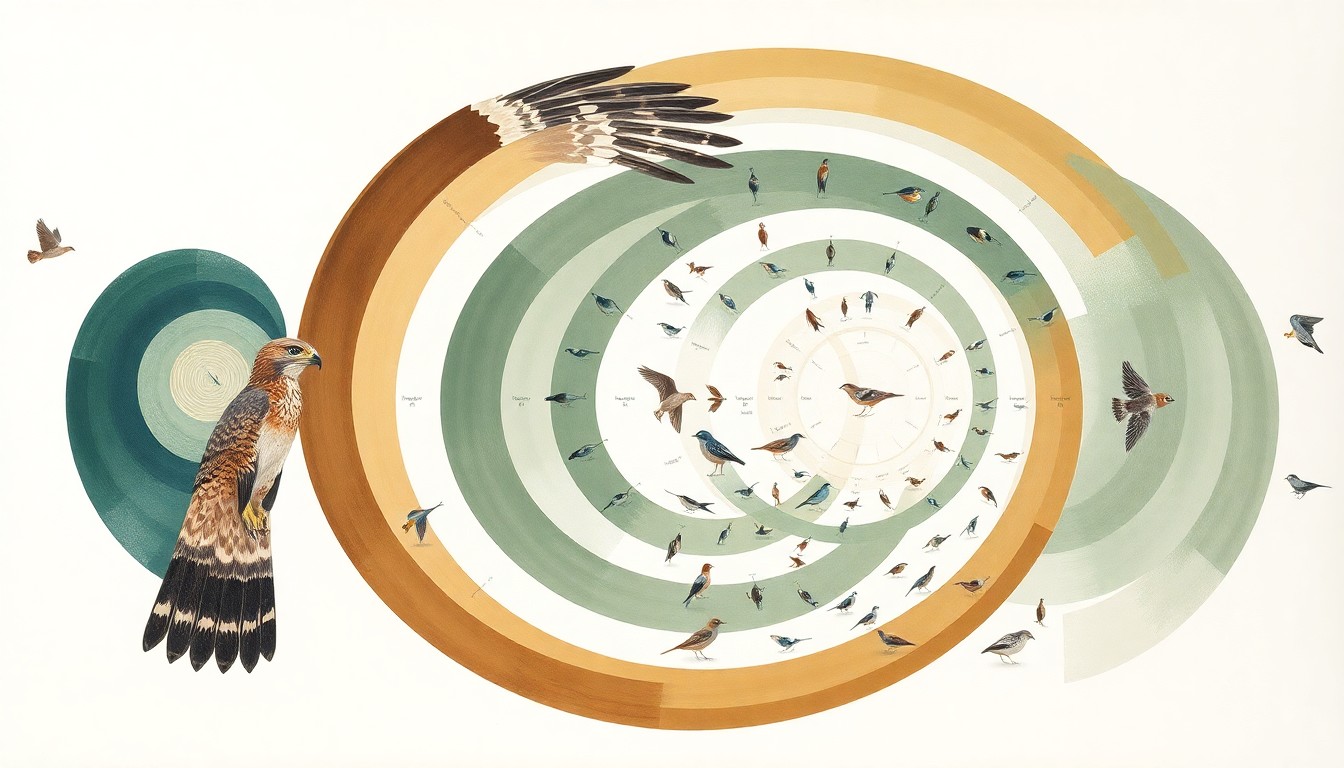 Citizen science data reveals the distinct hunting preferences of two common backyard hawk species, shedding light on their ecological roles.Lexington Today
A University of Kentucky study led by researchers in the Department of Forestry and Natural Resources analyzed thousands of photos shared by citizen scientists on the iNaturalist platform to gain unprecedented insights into the diets of two common backyard hawk species - the Cooper's Hawk and the Sharp-shinned Hawk. The findings show both hawks are primarily bird hunters, with the larger Cooper's Hawk favoring larger prey like doves and pigeons, while the smaller Sharp-shinned Hawk almost exclusively targets smaller birds.
Why it matters
Understanding the hunting behaviors and prey preferences of these two hawk species is valuable information for birdwatchers, homeowners, and wildlife researchers. The study highlights the growing importance of citizen science in filling knowledge gaps about common but understudied wildlife.
The details
The research team reviewed nearly 75,000 photographs from iNaturalist to identify thousands of predation events by Cooper's Hawks and Sharp-shinned Hawks. They found Cooper's Hawks strongly prefer birds, especially larger prey like rock pigeons and mourning doves, while Sharp-shinned Hawks almost exclusively hunt smaller bird species like European starlings and house sparrows. The size difference between the two hawk species appears to drive their prey selection, with Cooper's Hawks able to take down larger birds.
- The study was published in April 2026.
The players
University of Kentucky
The public research university where the study was conducted by researchers in the Department of Forestry and Natural Resources.
Will Gibson
A first-year Master's student in the Department of Forestry and Natural Resources who helped lead the study.
Darin McNeil
An assistant professor of wildlife management at the University of Kentucky's Martin-Gatton College of Agriculture, Food and Environment.
iNaturalist
The citizen science platform where thousands of photos used in the study were shared by the public.
What they’re saying
“We were very excited to explore the opportunities citizen science provides to the field of wildlife research, especially for two common backyard birds. Citizen science platforms like iNaturalist offer an incredible glimpse into the lives and behaviors of wildlife that may otherwise be understudied.”
— Will Gibson, First-year Master's student
“This is filling in an important gap in what we understand about these very common backyard birds. There's a lot of information out there from citizen scientists that had not really been analyzed in this way, and we were able to use that to learn what these hawks are actually choosing to eat.”
— Darin McNeil, Assistant professor of wildlife management
“If you see one of these hawks in your yard, you can be pretty confident it is scoping out the bird feeder and looking for a meal.”
— Darin McNeil, Assistant professor of wildlife management
What’s next
The researchers plan to continue analyzing citizen science data to further understand the behaviors and ecological roles of common backyard hawk species.
The takeaway
This study demonstrates the immense value of citizen science in advancing wildlife research, especially for common but understudied species that are frequently observed by the public. The findings provide important insights for birdwatchers, homeowners, and conservation efforts focused on maintaining healthy raptor populations in urban and suburban areas.
Lexington top stories


Lexington events

Apr. 3, 2026
Keeneland Spring Race Meet

Apr. 3, 2026
Bluegrass Youth Ballet presents Mira and The Thieves