- Today
- Holidays
- Birthdays
- Reminders
- Cities
- Atlanta
- Austin
- Baltimore
- Berwyn
- Beverly Hills
- Birmingham
- Boston
- Brooklyn
- Buffalo
- Charlotte
- Chicago
- Cincinnati
- Cleveland
- Columbus
- Dallas
- Denver
- Detroit
- Fort Worth
- Houston
- Indianapolis
- Knoxville
- Las Vegas
- Los Angeles
- Louisville
- Madison
- Memphis
- Miami
- Milwaukee
- Minneapolis
- Nashville
- New Orleans
- New York
- Omaha
- Orlando
- Philadelphia
- Phoenix
- Pittsburgh
- Portland
- Raleigh
- Richmond
- Rutherford
- Sacramento
- Salt Lake City
- San Antonio
- San Diego
- San Francisco
- San Jose
- Seattle
- Tampa
- Tucson
- Washington
UK Scientists Uncover Backyard Hawks' Eating Habits
Public participation helps researchers better understand predator-prey dynamics in urban areas.
Apr. 2, 2026 at 7:17pm
Got story updates? Submit your updates here. ›
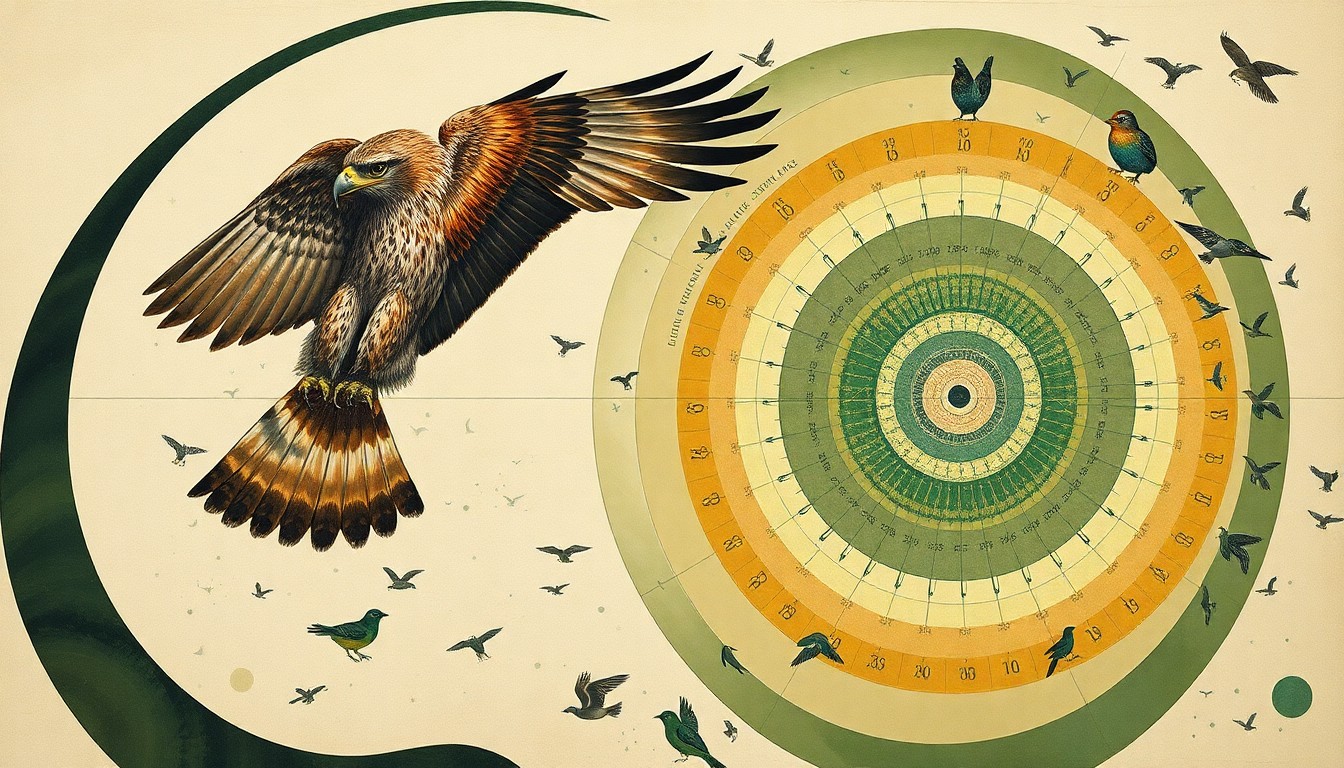 A citizen science project aims to uncover the hidden hunting behaviors of backyard hawks through public participation.Lexington Today
Researchers in the UK have launched a new citizen science project that enlists the public's help in uncovering the eating habits of backyard hawks. By analyzing photos and videos submitted by participants, the scientists aim to better understand the predator-prey dynamics between hawks and other birds in urban and suburban environments.
Why it matters
As more people install bird feeders in their yards, there is growing interest in learning about the natural behaviors of hawks and other raptors that may visit these feeders. This data can inform wildlife management strategies and help homeowners better coexist with these predatory birds.
The details
The project, led by researchers at the University of Exeter, asks members of the public to submit any photos or videos they capture of hawks hunting or eating near their homes. By analyzing these submissions, the team hopes to determine the hawks' preferred prey, hunting techniques, and other behaviors that are typically difficult to observe in the wild.
- The citizen science project launched in April 2026.
The players
University of Exeter
A public research university located in Exeter, England, that is leading the citizen science project on backyard hawk behavior.
What they’re saying
“We're really excited to get the public involved in this research. Their photos and videos could provide invaluable insights that help us better understand how these magnificent birds interact with the urban environment.”
— Dr. Emily Shepard, Lead Researcher, University of Exeter
What’s next
The researchers plan to analyze the data collected through the citizen science project over the next year, with the goal of publishing their findings in a scientific journal.
The takeaway
This collaborative effort between scientists and the public demonstrates how everyday observations can contribute to important wildlife research, helping us coexist more harmoniously with the natural world around us.
Lexington top stories


Lexington events

Apr. 3, 2026
Keeneland Spring Race Meet

Apr. 3, 2026
Bluegrass Youth Ballet presents Mira and The Thieves