- Today
- Holidays
- Birthdays
- Reminders
- Cities
- Atlanta
- Austin
- Baltimore
- Berwyn
- Beverly Hills
- Birmingham
- Boston
- Brooklyn
- Buffalo
- Charlotte
- Chicago
- Cincinnati
- Cleveland
- Columbus
- Dallas
- Denver
- Detroit
- Fort Worth
- Houston
- Indianapolis
- Knoxville
- Las Vegas
- Los Angeles
- Louisville
- Madison
- Memphis
- Miami
- Milwaukee
- Minneapolis
- Nashville
- New Orleans
- New York
- Omaha
- Orlando
- Philadelphia
- Phoenix
- Pittsburgh
- Portland
- Raleigh
- Richmond
- Rutherford
- Sacramento
- Salt Lake City
- San Antonio
- San Diego
- San Francisco
- San Jose
- Seattle
- Tampa
- Tucson
- Washington
Mandatory Driver Impairment Sensors Face Funding, Readiness Hurdles
New federal law requires automakers to deploy impairment detection tech, but implementation remains stalled.
Published on Feb. 16, 2026
Got story updates? Submit your updates here. ›
A federal law requiring all new cars to be equipped with technology to detect driver impairment has survived a push to strip its funding, but faces ongoing questions about whether the technology is ready for widespread deployment. The Halt Drunk Driving Act, passed in 2021, anticipated automakers would roll out 'passive' impairment detection systems as early as this year, but regulatory delays have stalled implementation, drawing criticism from safety advocates who say lives are being lost in the meantime.
Why it matters
The new law aims to address the more than 10,000 alcohol-related traffic deaths in the U.S. each year. While automakers and some lawmakers have raised concerns about the technology's reliability, safety advocates argue the life-saving potential outweighs the challenges and that further delays are unacceptable.
The details
The Halt Drunk Driving Act requires automakers to equip new vehicles with technology that can passively detect when a driver is impaired, potentially by monitoring factors like blood-alcohol levels, eye movements, or other biometric signals. However, implementation has been slowed by regulatory delays, with no clear timeline for final approval. Automakers have argued more research is needed to ensure the reliability of such systems and prevent false positives that could strand unimpaired drivers. Safety groups counter that existing technologies, like ignition interlock systems used for DUI offenders, demonstrate the viability of the approach.
- The Halt Drunk Driving Act was attached to the $1 trillion infrastructure law signed by President Biden in 2021.
- Automakers were anticipated to begin rolling out impairment detection systems as early as this year, but implementation has been delayed.
- The National Highway Traffic Safety Administration is still 'assessing developing technologies' and expects to report back to Congress soon, with supporters predicting a decision likely won't come until at least 2027.
The players
Rana Abbas Taylor
An outspoken advocate for stopping drunk driving after losing her sister, brother-in-law, nephew and two nieces in a crash caused by a driver with a blood-alcohol level almost four times the legal limit.
Chris Swonger
President and CEO of the Distilled Spirits Council of the United States, who has defended the Halt Drunk Driving Act against claims that it would require a 'kill switch' or government control of vehicles.
Thomas Massie
A Republican U.S. Representative from Kentucky who authored an effort to remove funding for the Halt Drunk Driving Act, arguing the technology could malfunction and prevent unimpaired drivers from operating their vehicles.
Stephanie Manning
Chief government affairs officer at Mothers Against Drunk Driving (MADD), which called the Halt Drunk Driving Act the most important piece of legislation in the organization's 45-year history.
Alliance for Automotive Innovation
A trade association for U.S. automakers that has argued more research is needed before mandating impairment detection technology to prevent false positives that could strand unimpaired drivers.
What’s next
The National Highway Traffic Safety Administration is expected to report back to Congress soon on the status of developing impairment detection technologies, with a decision likely not coming until at least 2027. Automakers would then have an additional 2-3 years to install the required systems in new vehicles.
The takeaway
While the Halt Drunk Driving Act has survived efforts to strip its funding, the ongoing delays in implementing the new impairment detection mandate have frustrated safety advocates who argue lives are being lost in the meantime. Resolving the technology's reliability concerns and accelerating the timeline for deployment remain key challenges before the life-saving potential of the law can be fully realized.
Lexington top stories



Lexington events
Mar. 10, 2026
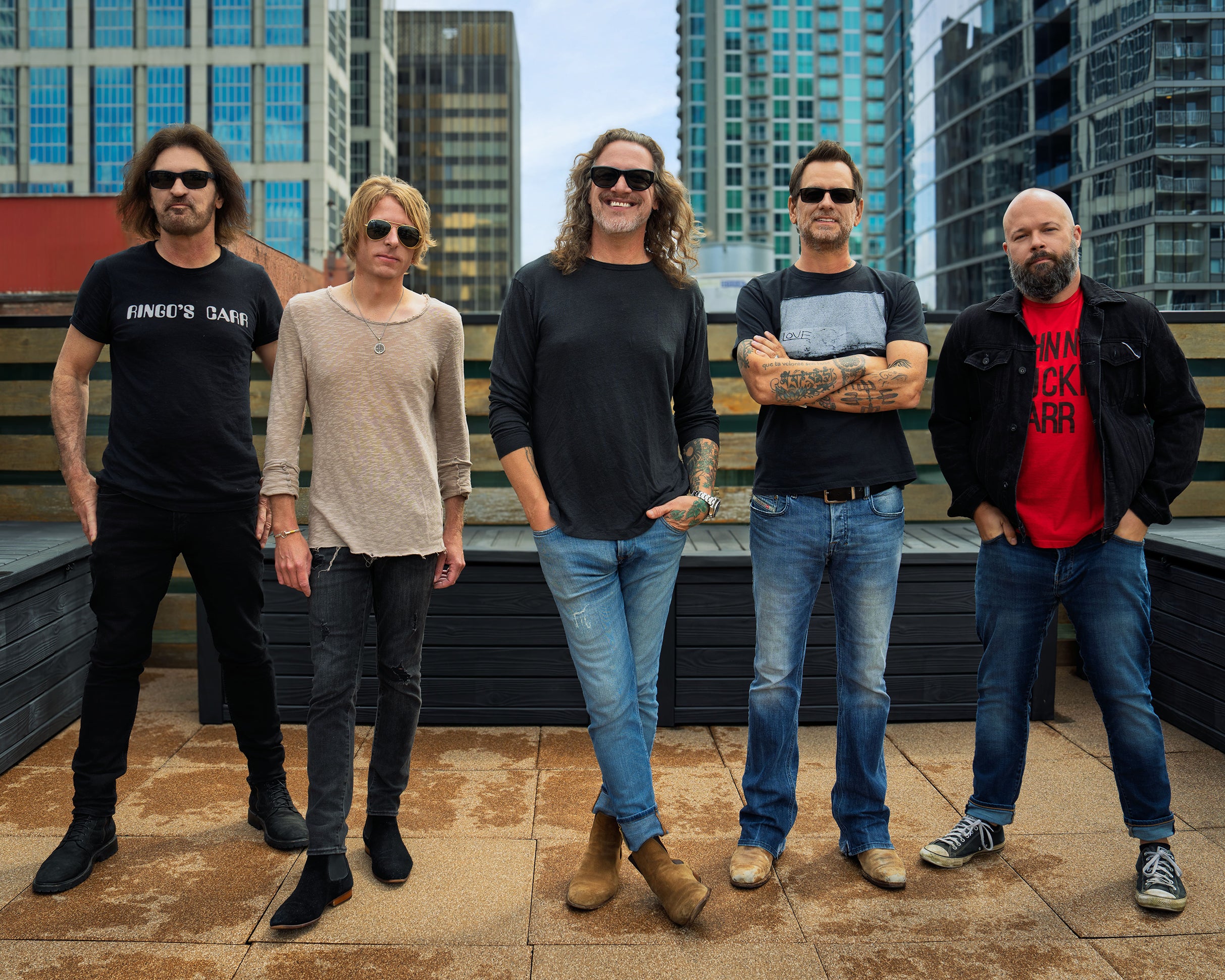
Candlebox - Can’t Quit You Tour 2026

Mar. 14, 2026
Pecos & the Rooftops