- Today
- Holidays
- Birthdays
- Reminders
- Cities
- Atlanta
- Austin
- Baltimore
- Berwyn
- Beverly Hills
- Birmingham
- Boston
- Brooklyn
- Buffalo
- Charlotte
- Chicago
- Cincinnati
- Cleveland
- Columbus
- Dallas
- Denver
- Detroit
- Fort Worth
- Houston
- Indianapolis
- Knoxville
- Las Vegas
- Los Angeles
- Louisville
- Madison
- Memphis
- Miami
- Milwaukee
- Minneapolis
- Nashville
- New Orleans
- New York
- Omaha
- Orlando
- Philadelphia
- Phoenix
- Pittsburgh
- Portland
- Raleigh
- Richmond
- Rutherford
- Sacramento
- Salt Lake City
- San Antonio
- San Diego
- San Francisco
- San Jose
- Seattle
- Tampa
- Tucson
- Washington
Federal Law to Stop Impaired Driving Stalls Despite Tragedy
Proposed technology mandate faces regulatory delays and political opposition despite advocacy from victims' families.
Published on Feb. 14, 2026
Got story updates? Submit your updates here. ›
A federal law requiring impairment-detection devices in all new cars has survived recent attempts to strip its funding, but implementation remains stalled due to questions about the technology's readiness. The law, known as the Halt Drunk Driving Act, was attached to the 2021 infrastructure bill and aimed to passively detect when drivers are drunk or impaired, preventing their cars from operating. However, regulatory delays and political opposition have slowed the law's rollout, with no clear timeline for final approval.
Why it matters
The proposed technology is seen as a critical step in reducing the more than 10,000 alcohol-related deaths on U.S. roads each year. Advocacy groups like Mothers Against Drunk Driving (MADD) have called the law the most important piece of legislation in the organization's 45-year history, but implementation has been bogged down by concerns about the technology's reliability and government overreach.
The details
The Halt Drunk Driving Act would allow regulators to choose from a range of impairment-detection technologies, including air monitors, fingertip readers, and scanners that detect signs of impairment. However, automakers and some lawmakers have raised concerns about the potential for false positives and the government's role in controlling vehicles. A Republican-led effort to remove the law's funding was defeated in the House, but another bill to repeal it entirely awaits a committee vote.
- The Halt Drunk Driving Act was attached to the $1 trillion infrastructure law signed by President Joe Biden in 2021.
- The National Highway Traffic Safety Administration is expected to report back to Congress on the law's implementation soon, but supporters predict the agency will push the decision at least into 2027.
The players
Rana Abbas Taylor
An outspoken advocate for stopping alcohol-related deaths on U.S. roads after losing her sister, brother-in-law, nephew, and two nieces in a crash caused by a driver with a blood-alcohol level almost four times the legal limit.
Mothers Against Drunk Driving (MADD)
A nonprofit organization that has called the Halt Drunk Driving Act the most important piece of legislation in its 45-year history.
Chris Swonger
The president and CEO of the Distilled Spirits Council of the United States, who has defended the law against claims that it would allow government control of vehicles.
Rep. Thomas Massie
A Kentucky Republican who authored an effort to defund the Halt Drunk Driving Act, arguing that the technology could serve as a "judge, jury, and executioner" for unimpaired drivers.
Alliance for Automotive Innovation
A trade association for U.S. automakers that has argued more research is needed before mandating impairment-detection technology.
What’s next
The National Highway Traffic Safety Administration is expected to report back to Congress on the law's implementation soon, but supporters predict the agency will push the decision at least into 2027. Even after that, automakers would still have another two to three years to install the required technology.
The takeaway
The stalled implementation of the Halt Drunk Driving Act highlights the ongoing challenges in balancing public safety, technological readiness, and concerns about government overreach. While advocacy groups and victims' families continue to push for swift action, the path forward remains uncertain, with lives potentially at stake as the regulatory process unfolds.
Lexington top stories



Lexington events
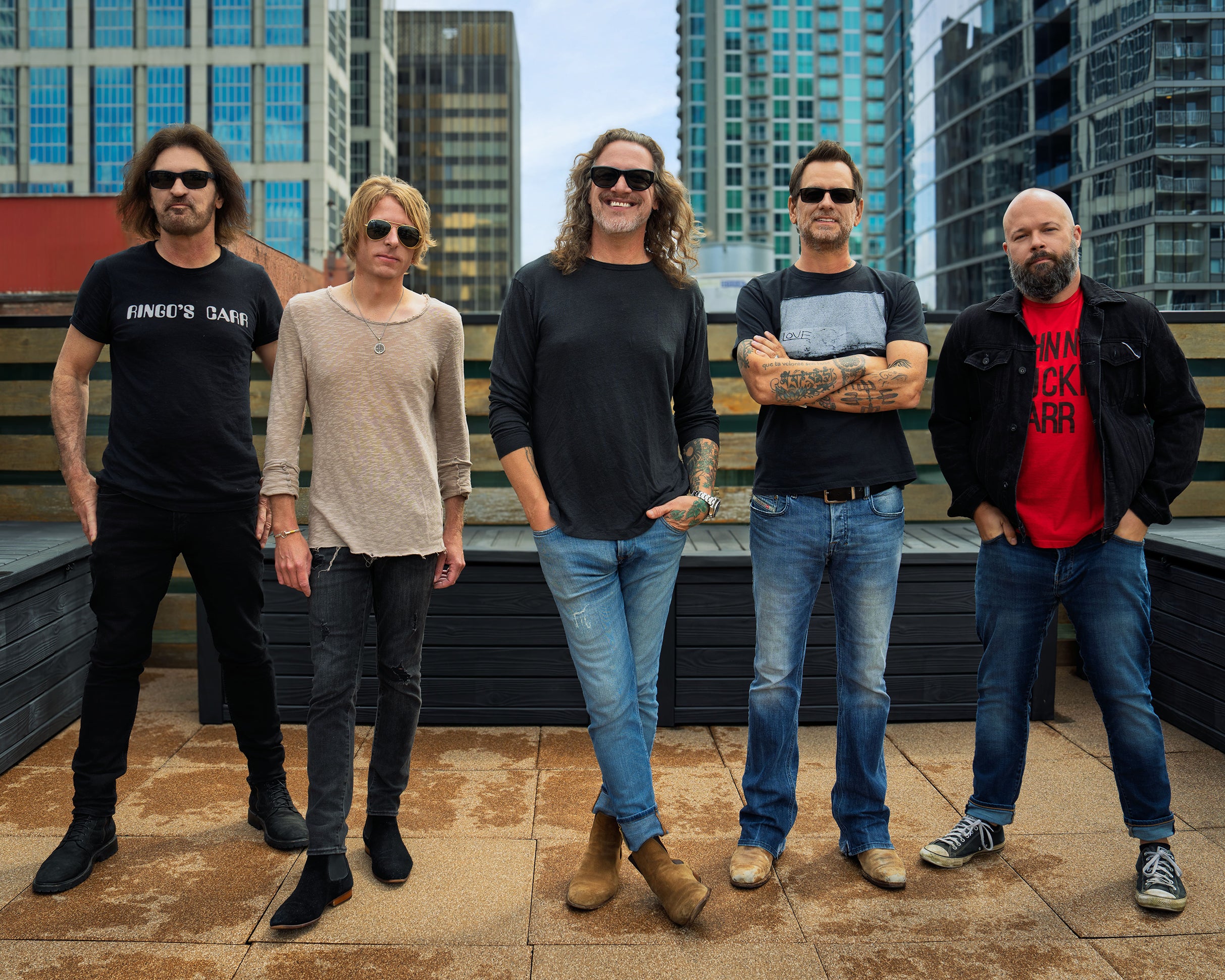
Mar. 10, 2026
Candlebox - Can’t Quit You Tour 2026

Mar. 14, 2026
Pecos & the Rooftops