- Today
- Holidays
- Birthdays
- Reminders
- Cities
- Atlanta
- Austin
- Baltimore
- Berwyn
- Beverly Hills
- Birmingham
- Boston
- Brooklyn
- Buffalo
- Charlotte
- Chicago
- Cincinnati
- Cleveland
- Columbus
- Dallas
- Denver
- Detroit
- Fort Worth
- Houston
- Indianapolis
- Knoxville
- Las Vegas
- Los Angeles
- Louisville
- Madison
- Memphis
- Miami
- Milwaukee
- Minneapolis
- Nashville
- New Orleans
- New York
- Omaha
- Orlando
- Philadelphia
- Phoenix
- Pittsburgh
- Portland
- Raleigh
- Richmond
- Rutherford
- Sacramento
- Salt Lake City
- San Antonio
- San Diego
- San Francisco
- San Jose
- Seattle
- Tampa
- Tucson
- Washington
Study: Pandemic Disruptions Hurt Cancer Patients' Survival
Research finds one-year survival rates declined for cancer patients diagnosed during COVID-19 pandemic.
Feb. 6, 2026 at 11:31pm
Got story updates? Submit your updates here. ›
A new federally funded study published in the JAMA Oncology journal found that people diagnosed with cancer in 2020 and 2021 had worse short-term survival rates compared to those diagnosed between 2015 and 2019. Researchers believe disruptions to the healthcare system during the COVID-19 pandemic, such as delayed cancer screenings, were a key contributor to the decline in survival rates, resulting in an estimated 17,400 more deaths than expected.
Why it matters
The study is the first to assess the direct impact of pandemic-related disruptions on cancer patients' short-term survival rates. It highlights the serious consequences the COVID-19 crisis had on cancer care and the need to better prepare the healthcare system for future emergencies to minimize disruptions to critical services.
The details
Researchers analyzed national cancer registry data to focus on patients who received a first-time malignant cancer diagnosis in 2020 and 2021. They found that one-year survival rates were lower for both early-stage and late-stage cancer diagnoses across all cancer sites combined, compared to pre-pandemic trends. The biggest declines were seen in colorectal, prostate, and pancreatic cancers. While COVID-19 itself was especially dangerous for cancer patients, the researchers worked to filter out deaths mainly attributed to the coronavirus to isolate the impact of healthcare disruptions.
- The study analyzed cancer diagnosis and survival data from 2015-2021.
- The research was published on February 7, 2026.
The players
Todd Burus
Lead author of the study and a medical data analysis specialist at the University of Kentucky.
Recinda Sherman
A researcher with the North American Association of Central Cancer Registries who was not involved in the new study.
What they’re saying
“Disruptions to the health care system were probably a key contributor.”
— Todd Burus, Lead author of the study
“As this study is the first to document pandemic-related, cause-specific survival, I think it is important. The more we understand about the impact of COVID-19, the better we will be able to prepare for the next one.”
— Recinda Sherman, Researcher
What’s next
Researchers plan to continue studying the long-term impacts of pandemic-related disruptions on cancer care and outcomes.
The takeaway
This study underscores the devastating toll the COVID-19 pandemic took on cancer patients, highlighting the critical need to strengthen the healthcare system's resilience and ability to maintain essential services during future crises.
Lexington top stories



Lexington events
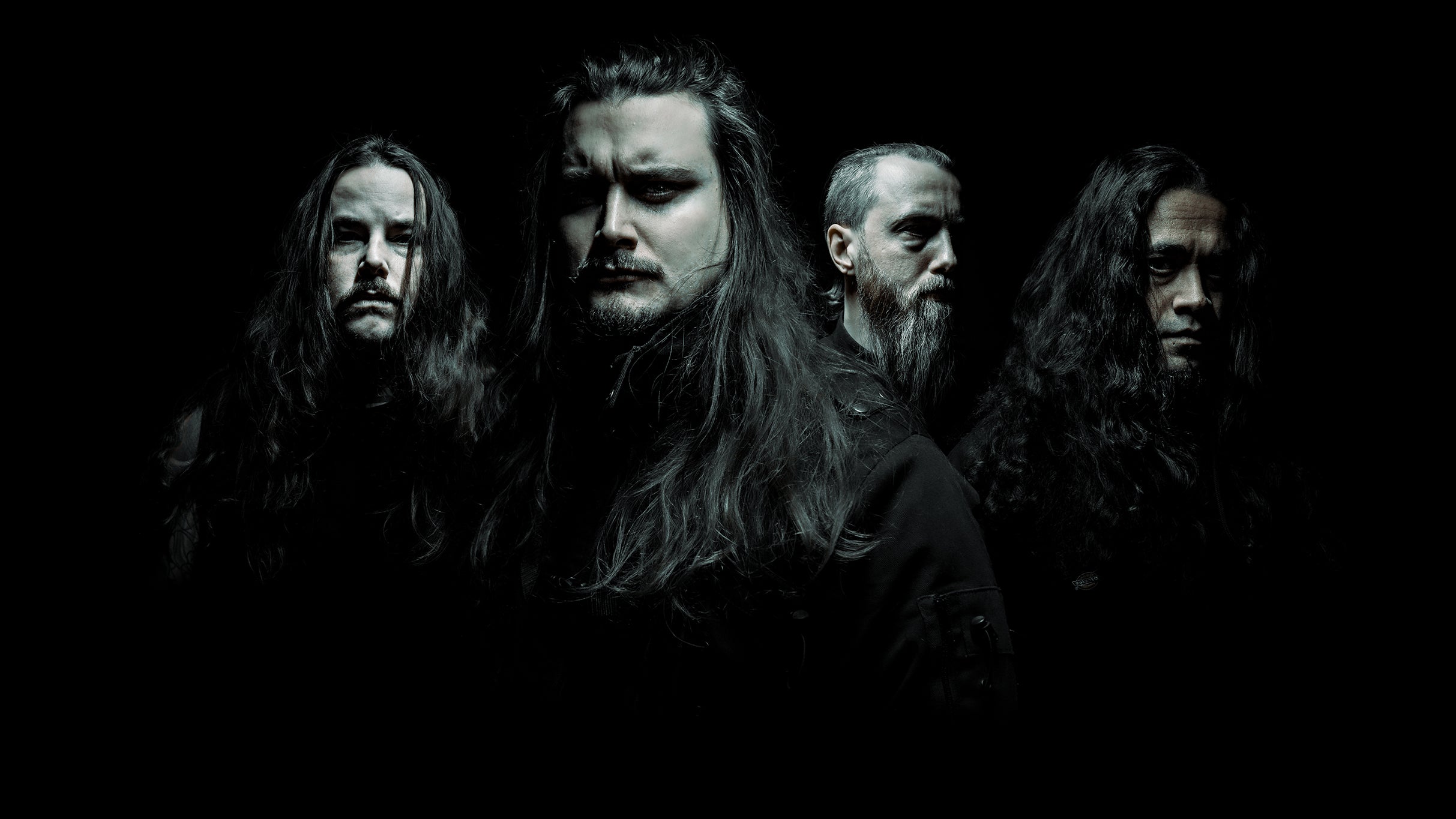
Mar. 23, 2026
Orbit Culture
Mar. 25, 2026
Pat Metheny: Side-Eye III+
Mar. 26, 2026
Dirty Dancing in Concert