- Today
- Holidays
- Birthdays
- Reminders
- Cities
- Atlanta
- Austin
- Baltimore
- Berwyn
- Beverly Hills
- Birmingham
- Boston
- Brooklyn
- Buffalo
- Charlotte
- Chicago
- Cincinnati
- Cleveland
- Columbus
- Dallas
- Denver
- Detroit
- Fort Worth
- Houston
- Indianapolis
- Knoxville
- Las Vegas
- Los Angeles
- Louisville
- Madison
- Memphis
- Miami
- Milwaukee
- Minneapolis
- Nashville
- New Orleans
- New York
- Omaha
- Orlando
- Philadelphia
- Phoenix
- Pittsburgh
- Portland
- Raleigh
- Richmond
- Rutherford
- Sacramento
- Salt Lake City
- San Antonio
- San Diego
- San Francisco
- San Jose
- Seattle
- Tampa
- Tucson
- Washington
Bellevue Today
By the People, for the People
Love Gone Wrong: Toxic Relationships & Addiction
Struggling with addiction while balancing a romantic relationship can be quite challenging.
Apr. 10, 2026 at 9:26am
Got story updates? Submit your updates here. ›
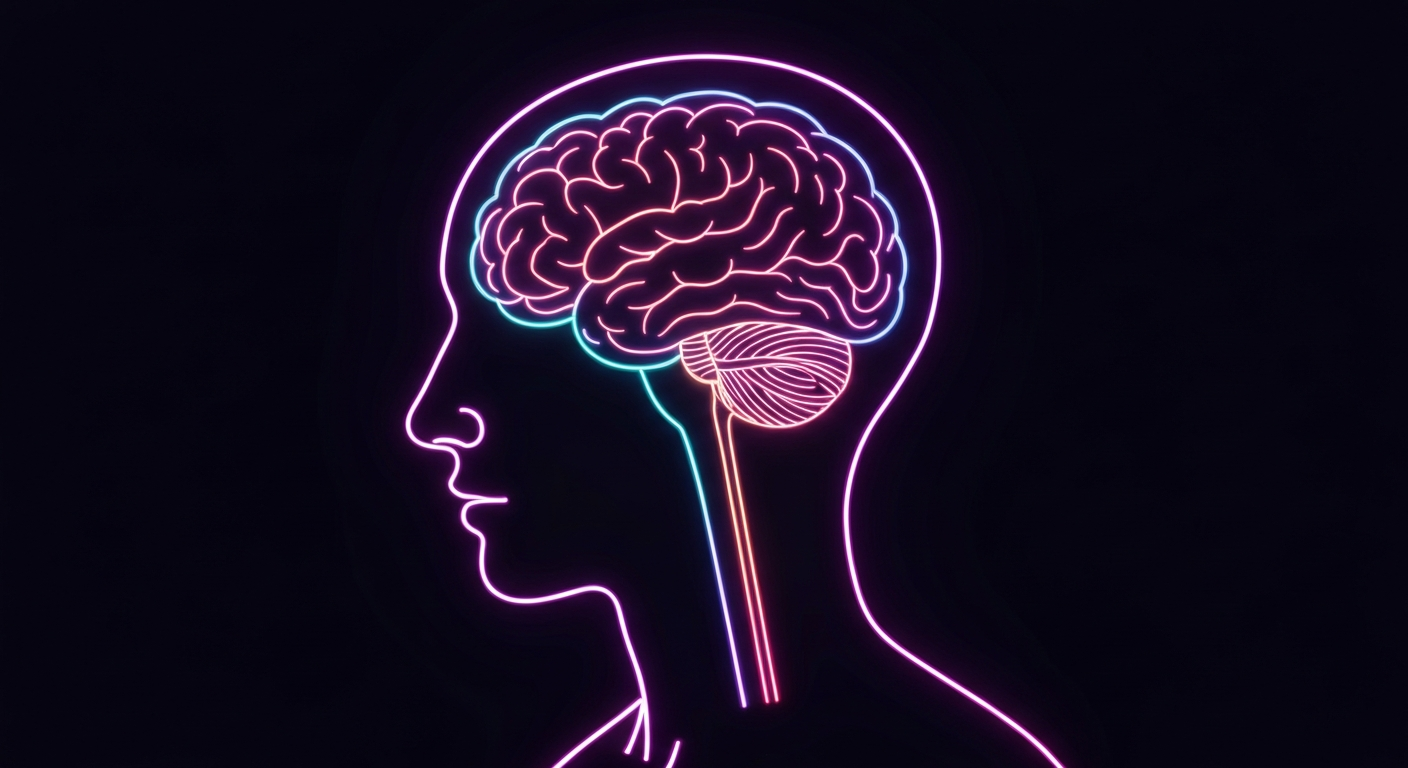 The intricate connection between addiction and toxic relationships, where compulsive behaviors and damaged trust can create a vicious cycle.Bellevue Today
Struggling with addiction while balancing a romantic relationship can be quite challenging. A substance use disorder does not necessarily stop a person from having successful relationships. However, healthy romantic relationships require communication, mutual respect, trust, individual identities and care. Having a substance use disorder can make it difficult to tick all of these boxes. For many, toxic relationships & addiction go hand-in-hand. Despite one's best efforts, even once healthy relationships can sour when addiction is involved.
Why it matters
Addiction affects the addict and those closest to them. In order to sustain their habit, addicts and alcoholics often engage in behaviors that negatively affect both themselves and their loved ones. Just like a toxic relationship between two partners, many addicts and alcoholics find themselves in a toxic relationship with drugs and alcohol. They continue to use compulsively, despite the negative consequences drugs and alcohol have on their lives. If left untreated, the complex brain disease can cause irreparable damage to a person's life, family, and romantic relationships.
The details
There are many negative behaviors associated with both toxic relationships and addiction. This doesn't make all addicts inherently bad people. However, the compulsion to seek out drugs and alcohol combined with the avoidance of the feelings that caused the addiction can lead addicts to behave in unhealthy ways. Two behaviors common among addicts are lying and manipulation. Some lie and manipulate to protect their addiction and themselves from the consequences of their behaviors. For instance, the addicted partner may lie about using, their desire to quit, their whereabouts, and how they are spending their money. They may also manipulate their loved one with false accusations, and by guilting and blaming the other for their issues. Both of these behaviors usually occur as a way to avoid addressing the addiction head on. Constant lying and manipulation can damage trust, a core tenet of a healthy relationship.
- Addiction and toxic relationships can occur at any time, but the behaviors and patterns often develop over an extended period.
The players
Addiction
Addiction is a complex brain disease characterized by compulsive substance use despite harmful consequences.
Toxic Relationships
Toxic relationships are characterized by frequent behaviors of one partner that are emotionally and/or physically draining to the other partner.
What they’re saying
“Addiction affects the addict and those closest to them. In order to sustain their habit, addicts and alcoholics often engage in behaviors that negatively affect both themselves and their loved ones.”
— Expert, Addiction Specialist
“Just like a toxic relationship between two partners, many addicts and alcoholics find themselves in a toxic relationship with drugs and alcohol. They continue to use compulsively, despite the negative consequences drugs and alcohol have on their lives.”
— Expert, Addiction Counselor
What’s next
Seeking professional help through addiction treatment and counseling can be an important first step in addressing both the addiction and the toxic relationship dynamics. Couples therapy may also be beneficial for those looking to repair their relationship.
The takeaway
Toxic relationships and addiction often go hand-in-hand, with the behaviors and patterns of one exacerbating the other. Breaking free from this cycle requires addressing both issues through a comprehensive approach that includes individual therapy, addiction treatment, and potentially couples counseling. With the right support and commitment to change, it is possible to heal from the damage of toxic relationships and addiction.