- Today
- Holidays
- Birthdays
- Reminders
- Cities
- Atlanta
- Austin
- Baltimore
- Berwyn
- Beverly Hills
- Birmingham
- Boston
- Brooklyn
- Buffalo
- Charlotte
- Chicago
- Cincinnati
- Cleveland
- Columbus
- Dallas
- Denver
- Detroit
- Fort Worth
- Houston
- Indianapolis
- Knoxville
- Las Vegas
- Los Angeles
- Louisville
- Madison
- Memphis
- Miami
- Milwaukee
- Minneapolis
- Nashville
- New Orleans
- New York
- Omaha
- Orlando
- Philadelphia
- Phoenix
- Pittsburgh
- Portland
- Raleigh
- Richmond
- Rutherford
- Sacramento
- Salt Lake City
- San Antonio
- San Diego
- San Francisco
- San Jose
- Seattle
- Tampa
- Tucson
- Washington
Bardstown Today
By the People, for the People
Bourbon Distillers Expand Despite Declining Demand
Kentucky's bourbon industry faces headwinds, but remains bullish on future growth
Apr. 7, 2026 at 2:22pm
Got story updates? Submit your updates here. ›
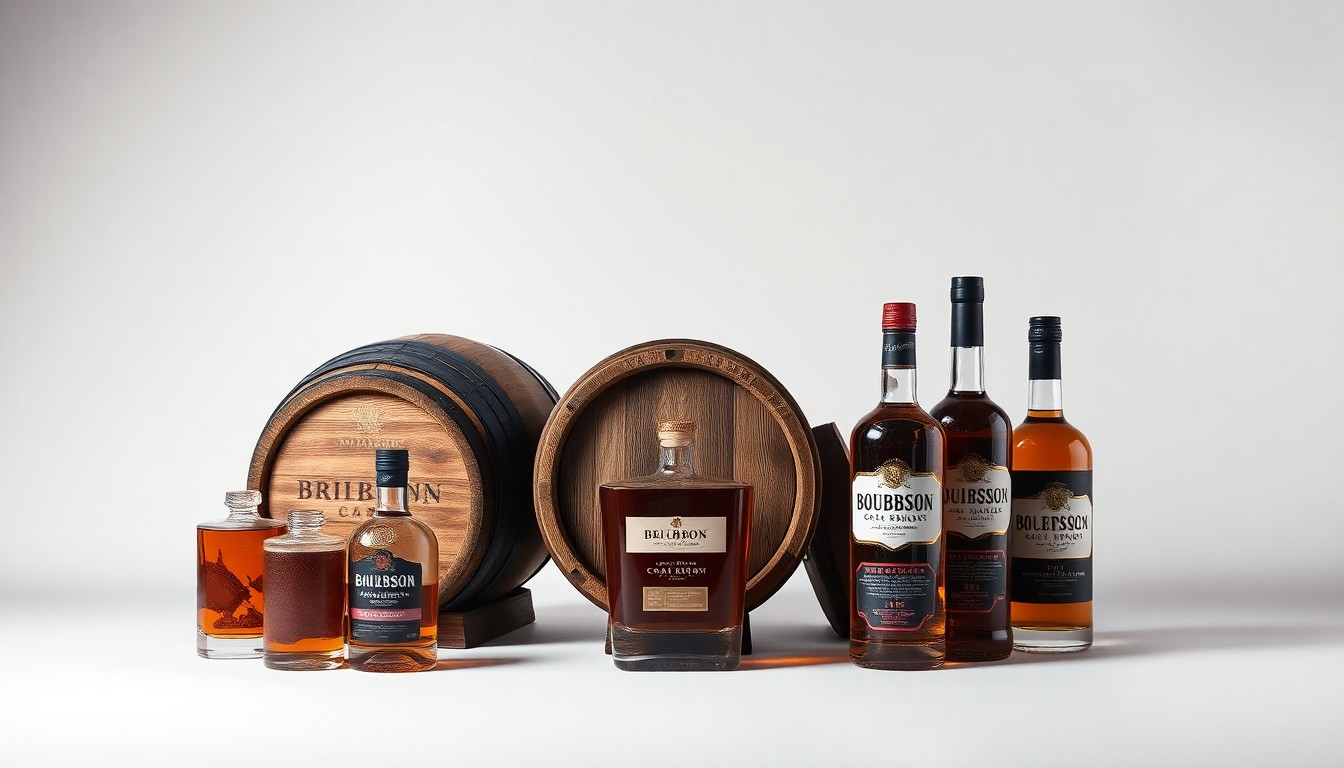 As bourbon demand fluctuates, Kentucky distillers continue investing in expansion, betting on the industry's resilience and enduring appeal.Bardstown Today
Despite a decline in bourbon demand due to factors like inflation, tariffs, and changing consumer preferences, Kentucky's bourbon distillers are continuing to invest heavily in expansion projects. While some distillers have cut production and jobs, the industry as a whole is planning over $1.45 billion in new buildings, machinery, and other expansions over the next five years, betting that demand will return as economic pressures ease and new overseas markets develop.
Why it matters
Kentucky's bourbon industry is a major economic driver in the state, supporting over 24,000 jobs. The industry's ability to weather the current downturn and continue investing in growth will have significant implications for the state's economy. The political debate over the role of tariffs in the industry's struggles also highlights the complex economic realities facing rural America.
The details
Distillers like Heaven Hill Brands are rolling back bourbon production this year as demand lags, but are still investing heavily in expansion. Industry leaders blame cyclical factors like inflation and difficulty predicting long-term demand, rather than tariffs, for the current headwinds. However, Kentucky's governor believes tariffs are a key issue, complicating distillers' efforts to reach new overseas markets. Despite the challenges, tourism to Kentucky's bourbon distilleries remains strong, and smaller brands that rely on on-site sales are seeing stable revenues.
- In 2025, Kentucky whiskey exports fell 15% compared to the previous year.
- In February 2026, the U.S. Supreme Court struck down Trump's 'Liberation Day' tariffs, but the former president has vowed to replace them with new worldwide tariffs.
The players
Heaven Hill Brands
A major Kentucky-based distiller known for brands like Evan Williams and Elijah Craig. The company recently built a new $200 million distillery, adding 155,000 barrels of capacity.
Andy Beshear
The Democratic governor of Kentucky and a potential 2028 presidential candidate, who believes tariffs are a key headwind for the bourbon industry.
Max Shapira
The executive chairman of Heaven Hill Brands, who says the company's bourbon output will be lower this year as it 'paces production' after a decade of growth.
Greg Hughes
The CEO of Jim Beam owner Suntory Global Spirits, who says inflation and falling demand in developed countries, rather than tariffs, are the main drivers of the industry's current headwinds.
Michael Clark
A University of Kentucky economist who led research on the Kentucky bourbon industry's expansion plans and the impact of tariffs.
What they’re saying
“The number of times we've gotten (demand) right over 90 years, I jokingly say, is zero.”
— Max Shapira, Executive Chairman, Heaven Hill Brands
“The industry will get through this, and be absolutely fine.”
— Greg Hughes, CEO, Suntory Global Spirits
“In here, we're about having a good time and drinking.”
— Susanna Buscemi, Part Owner, Volstead Bourbon Lounge
What’s next
The judge in the case will decide on Tuesday whether or not to allow Walker Reed Quinn out on bail.
The takeaway
Despite the current challenges facing Kentucky's bourbon industry, including declining demand, tariffs, and rising costs, the industry remains bullish on future growth, betting that demand will rebound as economic pressures ease. The industry's continued investment in expansion projects highlights its resilience and the enduring appeal of bourbon tourism.