- Today
- Holidays
- Birthdays
- Reminders
- Cities
- Atlanta
- Austin
- Baltimore
- Berwyn
- Beverly Hills
- Birmingham
- Boston
- Brooklyn
- Buffalo
- Charlotte
- Chicago
- Cincinnati
- Cleveland
- Columbus
- Dallas
- Denver
- Detroit
- Fort Worth
- Houston
- Indianapolis
- Knoxville
- Las Vegas
- Los Angeles
- Louisville
- Madison
- Memphis
- Miami
- Milwaukee
- Minneapolis
- Nashville
- New Orleans
- New York
- Omaha
- Orlando
- Philadelphia
- Phoenix
- Pittsburgh
- Portland
- Raleigh
- Richmond
- Rutherford
- Sacramento
- Salt Lake City
- San Antonio
- San Diego
- San Francisco
- San Jose
- Seattle
- Tampa
- Tucson
- Washington
Negotiators Face Daunting Task to Bridge Gaps in Rival Iran Peace Proposals
A US 15-point plan and an Iranian 10-point variant are oceans apart, raising questions about the path forward.
Apr. 8, 2026 at 8:50pm
Got story updates? Submit your updates here. ›
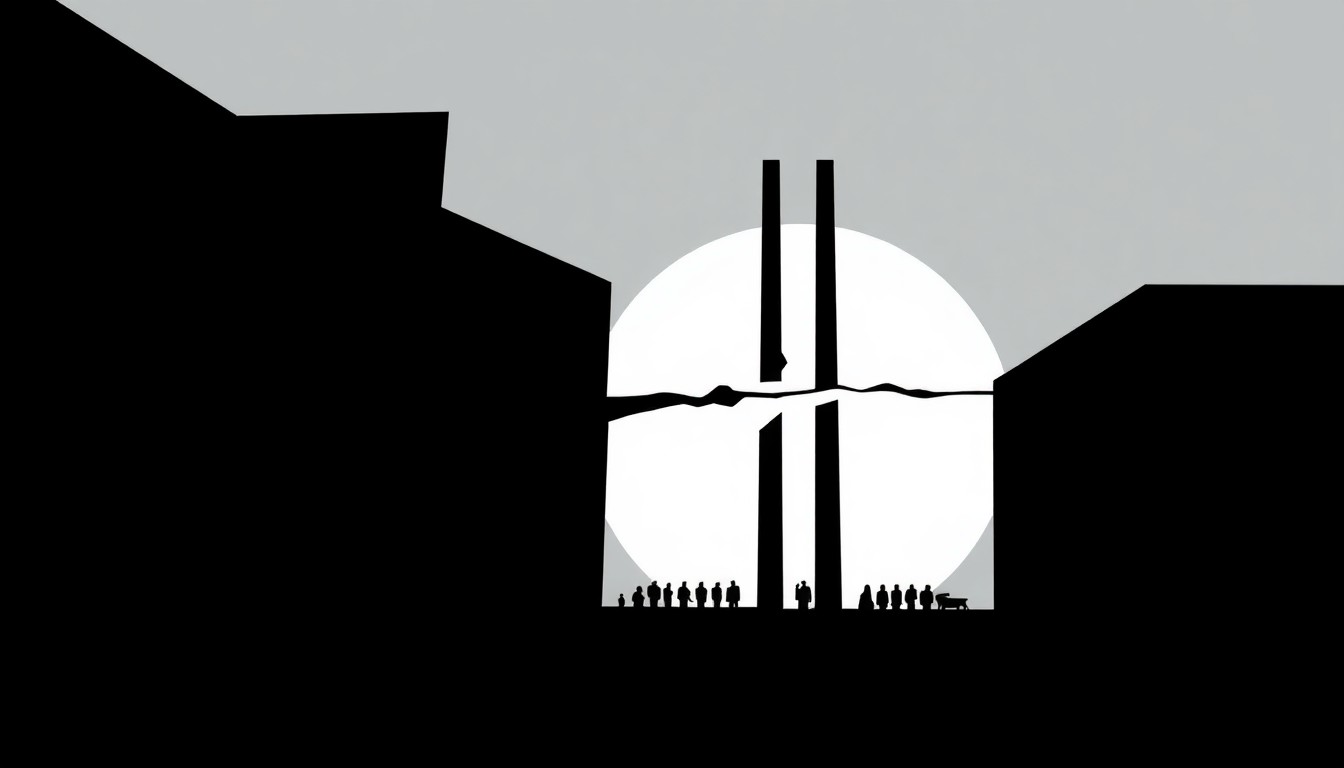
 Negotiators from the US and Iran face a daunting task to bridge the vast divide between their rival peace proposals and end the ongoing conflict.Washington Today
With a self-imposed deadline looming and the threat of annihilation still hanging over Iran, US and Iranian negotiators are set to meet in Islamabad, Pakistan, in a bid to find common ground and end the ongoing conflict. However, the two sides' proposals appear to be vastly different, with the US demanding Iran dismantle its nuclear program and missile capabilities, while Iran insists on its right to enrich uranium for civilian use. The fate of Iran's stockpile of highly enriched uranium and the future of the Strait of Hormuz also remain key sticking points.
Why it matters
The negotiations represent a critical juncture in the conflict, with both sides under immense pressure to reach an agreement and avoid further escalation. The outcome will have far-reaching implications for regional stability, global energy supplies, and the future of Iran's nuclear program and missile capabilities.
The details
The US has presented a 15-point plan that includes demands for Iran to dismantle all major nuclear facilities, end uranium enrichment, transfer enriched stockpiles out of the country, and accept intrusive international inspections. Iran, meanwhile, has proposed a 10-point plan that reportedly accepts some limits on its nuclear program but insists on its right to enrich uranium for civilian use. The two sides also remain at odds over Iran's missile and drone programs, as well as the future of the Strait of Hormuz, with Iran seeking to impose new rules and potentially charge transit fees.
- The self-imposed deadline for the negotiations is in the coming days.
- The talks in Islamabad are expected to take place as early as Friday.
The players
Donald Trump
The President of the United States, who has taken a hardline stance against Iran and authorized military strikes against the country.
Abbas Araghchi
The Foreign Minister of Iran, who has mentioned the US 15-point proposal and Iran's own 10-point plan.
Pete Hegseth
The US Defense Secretary, who has stated that Iran will never have a nuclear weapon or the capability to get one.
Dan Caine
The Chairman of the US Joint Chiefs of Staff, who says 80% of Iran's missile facilities, air defense systems, and weapons factories have been destroyed.
Anwar Gargash
A senior diplomatic adviser to the UAE president, who has expressed concerns about Iran's proposals regarding the Strait of Hormuz.
What they’re saying
“There will be no Iranian nuclear weapons. Period. Full stop.”
— Pete Hegseth, US Defense Secretary
“This is totally unacceptable. I think this is going to be extremely dangerous. And I don't think at the end of the day it will fly.”
— Anwar Gargash, Senior diplomatic adviser to the UAE president
What’s next
The judge in the case will decide on Tuesday whether or not to allow Walker Reed Quinn out on bail.
The takeaway
The negotiations between the US and Iran represent a critical juncture in the conflict, with both sides facing immense pressure to reach a compromise. The outcome will have far-reaching implications for regional stability, global energy supplies, and the future of Iran's nuclear and missile capabilities.