- Today
- Holidays
- Birthdays
- Reminders
- Cities
- Atlanta
- Austin
- Baltimore
- Berwyn
- Beverly Hills
- Birmingham
- Boston
- Brooklyn
- Buffalo
- Charlotte
- Chicago
- Cincinnati
- Cleveland
- Columbus
- Dallas
- Denver
- Detroit
- Fort Worth
- Houston
- Indianapolis
- Knoxville
- Las Vegas
- Los Angeles
- Louisville
- Madison
- Memphis
- Miami
- Milwaukee
- Minneapolis
- Nashville
- New Orleans
- New York
- Omaha
- Orlando
- Philadelphia
- Phoenix
- Pittsburgh
- Portland
- Raleigh
- Richmond
- Rutherford
- Sacramento
- Salt Lake City
- San Antonio
- San Diego
- San Francisco
- San Jose
- Seattle
- Tampa
- Tucson
- Washington
Public Health Experts Call for Stricter Glyphosate Regulation
Researchers cite 'compelling evidence' that widely used herbicide can cause cancer
Mar. 31, 2026 at 8:20pm
Got story updates? Submit your updates here. ›
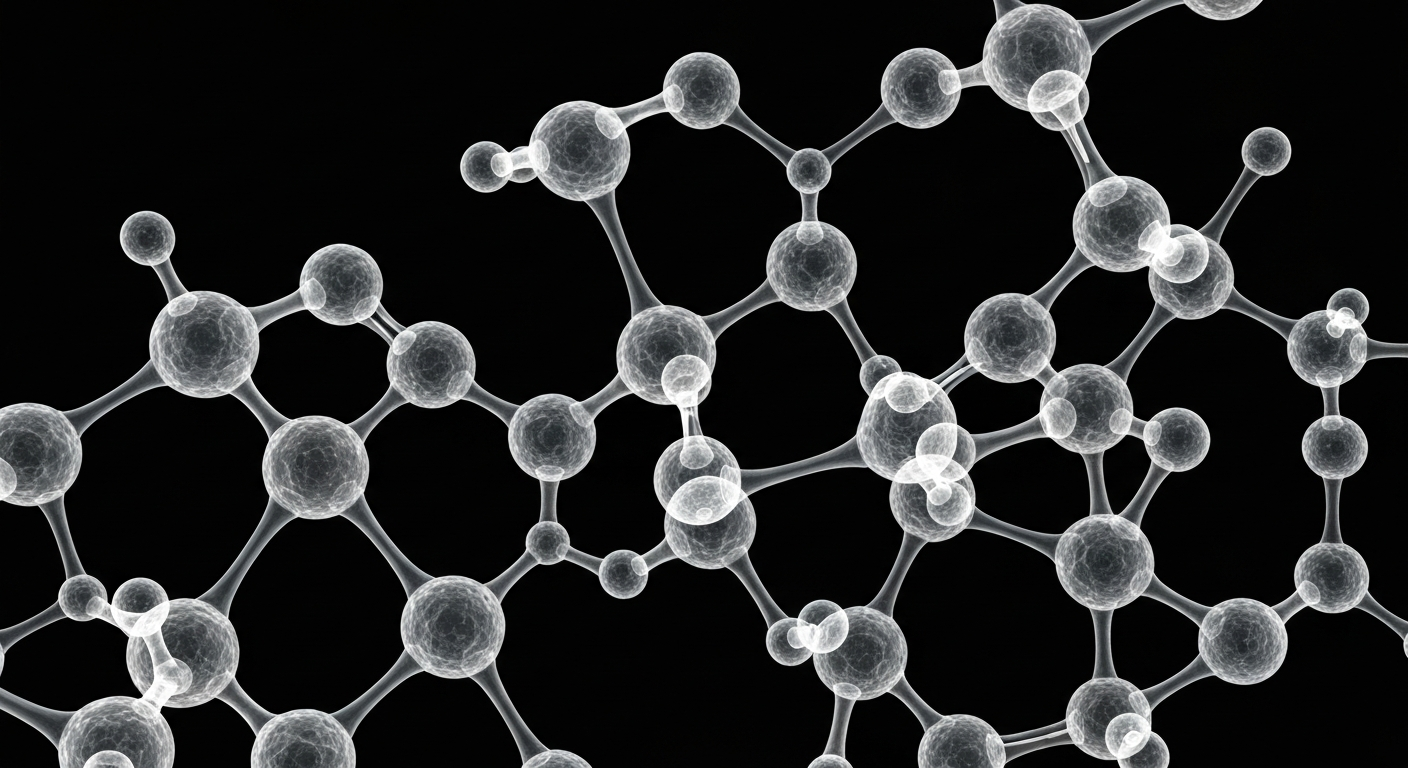 An X-ray view of the molecular structure of glyphosate, the controversial herbicide at the center of a growing public health debate.Washington Today
A group of 17 leading public health researchers and advocates from the US, Canada, and Europe are calling on regulators around the world to treat the widely used herbicide glyphosate as hazardous and limit or eliminate its use to protect public health. The recommendations come after a 2-day research symposium on glyphosate and health held at the University of Washington, where experts cited 'compelling evidence' that glyphosate can cause cancer, particularly non-Hodgkin lymphoma.
Why it matters
Glyphosate is the most widely used herbicide in the world, and Bayer, which bought Monsanto in 2018, faces tens of thousands of claims in the US that exposure to its glyphosate-based herbicide Roundup caused non-Hodgkin lymphoma. The EPA is currently undertaking another review of glyphosate's safety, while the Supreme Court will soon hear a case on pesticide manufacturers' liability for failure to warn users of potential harms.
The details
The symposium had about 200 participants, in person and online, from the fields of exposure science, epidemiology, toxicology, statistics, law, and advocacy. The authors of the statement call for 'pesticide approval decisions based on a more comprehensive and unbiased suite of health effects data,' and for those data to come from testing conducted by laboratories and organizations independent of the pesticide industry. They also call for regulators to publicly release all scientific evidence used in pesticide evaluations.
- The 2-day research symposium on glyphosate and health was held at the University of Washington on March 27-28, 2026.
- The EPA is currently undertaking another review of glyphosate's safety.
The players
Lianne Sheppard
A biostatistician and professor of public health sciences at the University of Washington, who was the lead organizer of the symposium.
Bayer
The German biotech conglomerate that bought Monsanto in 2018 and faces tens of thousands of claims in the US that exposure to its glyphosate-based herbicide Roundup caused non-Hodgkin lymphoma.
Brian Leake
A spokesperson for Bayer, who says the company stands behind the safety of its glyphosate-based products.
Donald J. Trump
The former President of the United States, who recently signed an executive order promoting domestic production of glyphosate.
Nathan Donley
The environmental health science director at the nonprofit advocacy group Center for Biological Diversity.
What they’re saying
“We concluded at this symposium that the evidence that glyphosate can harm human health is now so strong that it is essential that action be taken to reduce people's exposure and to get it out of the environment.”
— Lianne Sheppard, Biostatistician and professor of public health sciences at the University of Washington
“Bayer stands behind the safety of our glyphosate-based products which have been tested extensively, approved by regulators and used around the globe for more than 50 years.”
— Brian Leake, Bayer spokesperson
“Glyphosate is having a moment right now. I can't remember a time where a pesticide has so galvanized public opinion and it's been so top of mind, at least in America. Certainly not in my lifetime, and probably not since the days of DDT.”
— Nathan Donley, Environmental health science director at the Center for Biological Diversity
What’s next
The EPA is currently undertaking another review of glyphosate's safety, which will include expanded public access to underlying data and science, analysis of independent peer-reviewed research on potential cancer and developmental risks, evaluation of opportunities to reduce exposure, and coordination with other federal agencies and states to promote integrated pest management and alternative weed control strategies.
The takeaway
This symposium highlights the growing concerns among public health experts about the potential health risks of glyphosate, the world's most widely used herbicide. The calls for stricter regulation and more independent research underscore the need for a comprehensive, unbiased evaluation of the scientific evidence on glyphosate's safety and its potential impacts on human health and the environment.