- Today
- Holidays
- Birthdays
- Reminders
- Cities
- Atlanta
- Austin
- Baltimore
- Berwyn
- Beverly Hills
- Birmingham
- Boston
- Brooklyn
- Buffalo
- Charlotte
- Chicago
- Cincinnati
- Cleveland
- Columbus
- Dallas
- Denver
- Detroit
- Fort Worth
- Houston
- Indianapolis
- Knoxville
- Las Vegas
- Los Angeles
- Louisville
- Madison
- Memphis
- Miami
- Milwaukee
- Minneapolis
- Nashville
- New Orleans
- New York
- Omaha
- Orlando
- Philadelphia
- Phoenix
- Pittsburgh
- Portland
- Raleigh
- Richmond
- Rutherford
- Sacramento
- Salt Lake City
- San Antonio
- San Diego
- San Francisco
- San Jose
- Seattle
- Tampa
- Tucson
- Washington
Iran Conflict Echoes Suez Crisis as U.S. Influence Fades
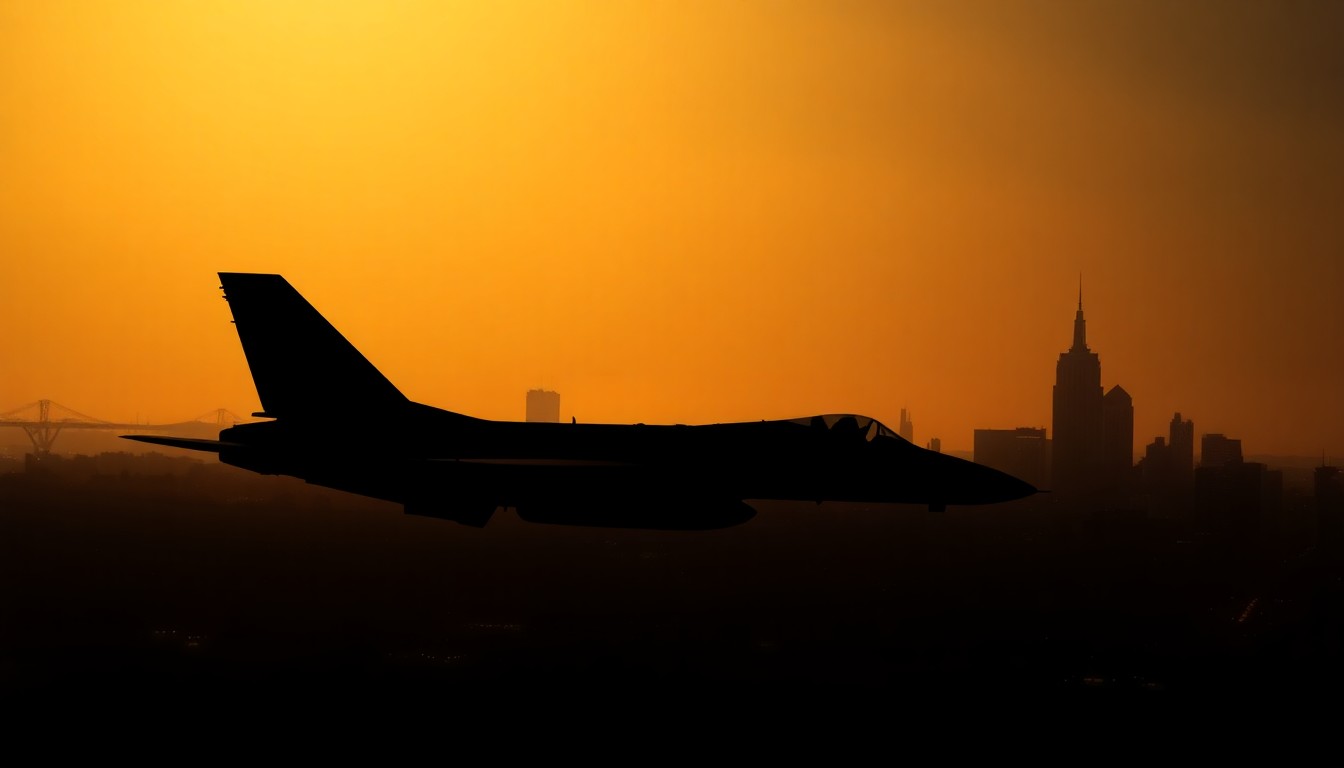
The U.S. military assault on Iran is starting to look like America's version of the Suez Crisis, signaling the decline of U.S. global power.
Mar. 15, 2026 at 8:34pm
Got story updates? Submit your updates here. ›
In the first chapter of his 1874 novel The Gilded Age, Mark Twain offered a telling observation about the connection between past and present: 'History never repeats itself, but the… present often seems to be constructed out of the broken fragments of antique legends.' The author explores how the current U.S. intervention in Iran might indeed be America's version of the Suez Crisis, as Washington's attempts at regime change have historically led to decades of instability and conflict. As the U.S. faces limits to its military and economic power, the author argues this conflict could mark the further decline of American global influence.
Why it matters
The extraordinary concentration of petroleum production, international shipping, and capital investment in the Persian Gulf makes the Straits of Hormuz not only a choke point for the flow of oil and natural gas but also for the movement of capital for the entire global economy. As the U.S. faces limits to its military and economic power, the author argues this conflict could mark the further decline of American global influence, similar to how the Suez Crisis led to the collapse of the British Empire.
The details
In the first week of the war, the U.S. has conducted 3,000 bombing runs against Iran, which is two-thirds the size of Western Europe, paling in comparison to the 1,400,000 bombing sorties over Europe during World War II. The U.S. also has limited stocks of about 4,000 interceptor missiles, while Iran has an almost limitless supply of some 80,000 Shahed drones that it can produce 10,000 of each month for only $20,000 each. The U.S. is trying to avoid sending troops ashore by mobilizing Iran's ethnic minorities, but so far the Kurds and other groups have been unwilling or unable to attack Tehran.
- In July 1956, Egyptian leader Gamal Abdel Nasser nationalized the Suez Canal, leading to a joint British-French invasion that was ultimately defeated.
- In the first week of the current U.S. war on Iran, the Pentagon has conducted 3,000 bombing runs against the country.
The players
Gamal Abdel Nasser
The former Egyptian leader who nationalized the Suez Canal in 1956, leading to a failed British-French invasion.
Donald Trump
The current U.S. president who has ordered the military assault on Iran, which the author argues could become America's version of the Suez Crisis.
What they’re saying
“History never repeats itself, but the… present often seems to be constructed out of the broken fragments of antique legends.”
— Mark Twain, Author
“Promise them anything, give them what they get, and f… them if they can't take a joke.”
— Henry Kissinger, Former U.S. Secretary of State
What’s next
The judge in the case will decide on Tuesday whether or not to allow Walker Reed Quinn out on bail.
The takeaway
This case highlights growing concerns in the community about repeat offenders released on bail, raising questions about bail reform, public safety on SF streets, and if any special laws to govern autonomous vehicles in residential and commercial areas.