- Today
- Holidays
- Birthdays
- Reminders
- Cities
- Atlanta
- Austin
- Baltimore
- Berwyn
- Beverly Hills
- Birmingham
- Boston
- Brooklyn
- Buffalo
- Charlotte
- Chicago
- Cincinnati
- Cleveland
- Columbus
- Dallas
- Denver
- Detroit
- Fort Worth
- Houston
- Indianapolis
- Knoxville
- Las Vegas
- Los Angeles
- Louisville
- Madison
- Memphis
- Miami
- Milwaukee
- Minneapolis
- Nashville
- New Orleans
- New York
- Omaha
- Orlando
- Philadelphia
- Phoenix
- Pittsburgh
- Portland
- Raleigh
- Richmond
- Rutherford
- Sacramento
- Salt Lake City
- San Antonio
- San Diego
- San Francisco
- San Jose
- Seattle
- Tampa
- Tucson
- Washington
Plains Today
By the People, for the People
Windy, Dry Conditions Raise Fire Risk Across Central U.S.
Gusty winds and lack of precipitation elevate wildfire danger in the Plains through spring.
Mar. 28, 2026 at 5:06pm
Got story updates? Submit your updates here. ›
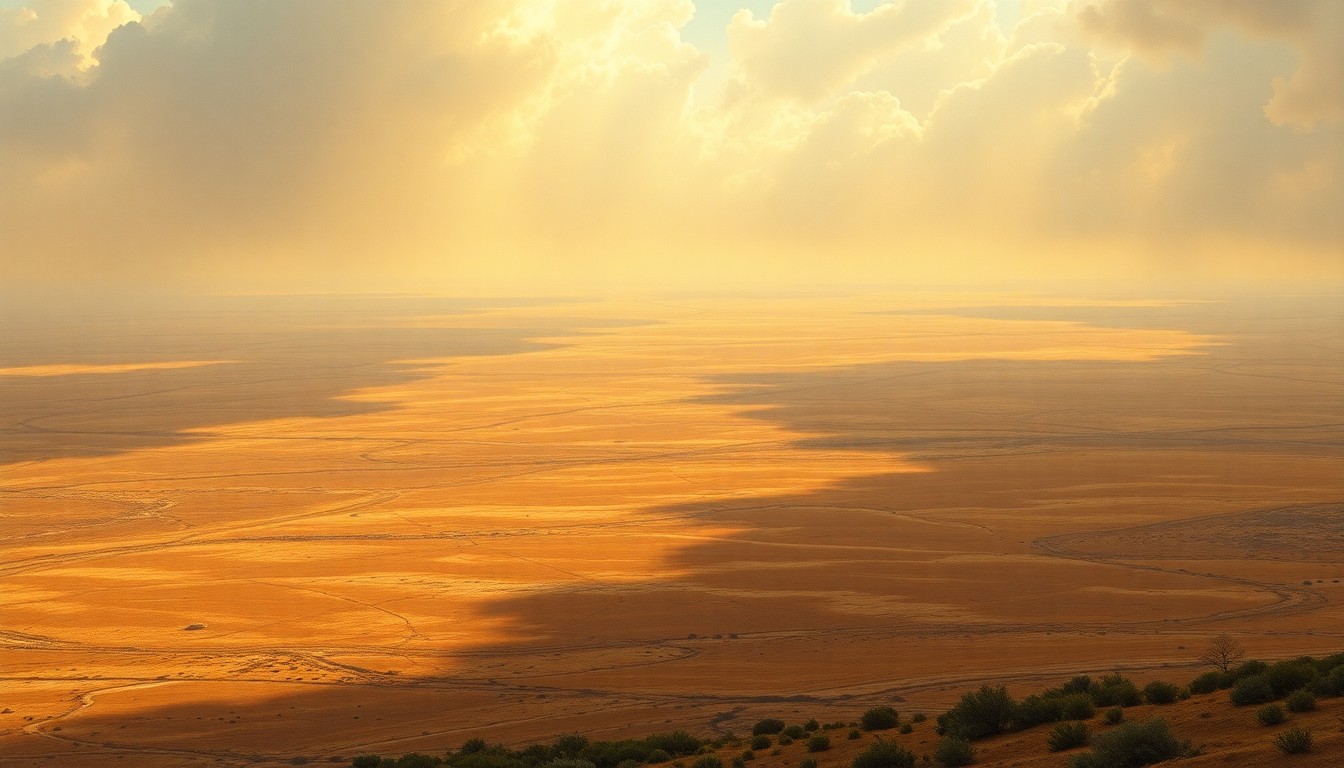 As dry, windy conditions persist across the central U.S. Plains, the region faces an elevated risk of devastating wildfires that could rapidly spread and threaten local communities.Plains Today
Persistent dry weather, gusty winds, and little precipitation will raise the risk for wildfires across the Plains region of the central United States through the rest of March and into the spring season, according to AccuWeather meteorologists. The fire risk will focus on areas from the Rockies to the Midwest this weekend, with winds gusting up to 55 mph, and will remain elevated until meaningful rainfall arrives.
Why it matters
Wildfires pose a serious threat to communities in the central U.S. Plains, where dry conditions and high winds can rapidly spread flames and cause extensive damage. This forecast highlights the need for heightened caution and preparedness as the region faces an elevated fire risk over the coming weeks and months.
The details
The fire risk will be primarily focused in Wyoming, Colorado, and northeastern New Mexico on Saturday, as a northward bulge in the jet stream brings a rebound in heat and persistent drought to the western U.S. Farther east, gusty winds up to 55 mph across the Plains and Midwest will combine with dry brush and low humidity to raise the risk for fire starts and rapid spread. The fire danger will shift eastward next week but remain elevated across much of the central Plains until significant precipitation arrives, which may not happen until early April.
- On Saturday, the fire risk will be highest from Wyoming into Colorado and northeastern New Mexico.
- On Sunday, the risk will mainly focus across portions of the Rockies and Four Corners states.
- Through the rest of March, the fire risk will remain elevated across the Plains due to the lack of precipitation.
- The fire risk may persist into the start of April across the western halves of Texas, Oklahoma, Kansas, Nebraska, and eastern Colorado.
The players
AccuWeather
A leading commercial weather forecasting company that provides weather-related news, data, and analysis.
Brandon Buckingham
An AccuWeather meteorologist who provided analysis and forecasts for the elevated fire risk in the central U.S. Plains.
What they’re saying
“The risk for wildfire activity across the Plains will remain elevated until meaningful precipitation can move through the area.”
— Brandon Buckingham, AccuWeather Meteorologist
“The western halves of Texas, Oklahoma, Kansas, Nebraska and eastern Colorado will likely face a moderate to high risk for wildfire activity through the remainder of the spring season, particularly during windy periods preceding green-up.”
— Brandon Buckingham, AccuWeather Meteorologist
What’s next
Individuals in the affected regions are urged to use caution with outdoor power equipment, open flames, or anything that could produce sparks, as the elevated fire risk will persist until meaningful precipitation arrives.
The takeaway
This forecast highlights the ongoing threat of wildfires in the central U.S. Plains, where dry conditions and high winds can rapidly spread flames and cause extensive damage to communities. Residents and local authorities will need to remain vigilant and prepared for the elevated fire risk over the coming weeks and months.