- Today
- Holidays
- Birthdays
- Reminders
- Cities
- Atlanta
- Austin
- Baltimore
- Berwyn
- Beverly Hills
- Birmingham
- Boston
- Brooklyn
- Buffalo
- Charlotte
- Chicago
- Cincinnati
- Cleveland
- Columbus
- Dallas
- Denver
- Detroit
- Fort Worth
- Houston
- Indianapolis
- Knoxville
- Las Vegas
- Los Angeles
- Louisville
- Madison
- Memphis
- Miami
- Milwaukee
- Minneapolis
- Nashville
- New Orleans
- New York
- Omaha
- Orlando
- Philadelphia
- Phoenix
- Pittsburgh
- Portland
- Raleigh
- Richmond
- Rutherford
- Sacramento
- Salt Lake City
- San Antonio
- San Diego
- San Francisco
- San Jose
- Seattle
- Tampa
- Tucson
- Washington
Indiana Expands 'Cold Case' DNA Testing
New law aims to provide closure for families of unsolved crimes.
Apr. 3, 2026 at 2:58am
Got story updates? Submit your updates here. ›
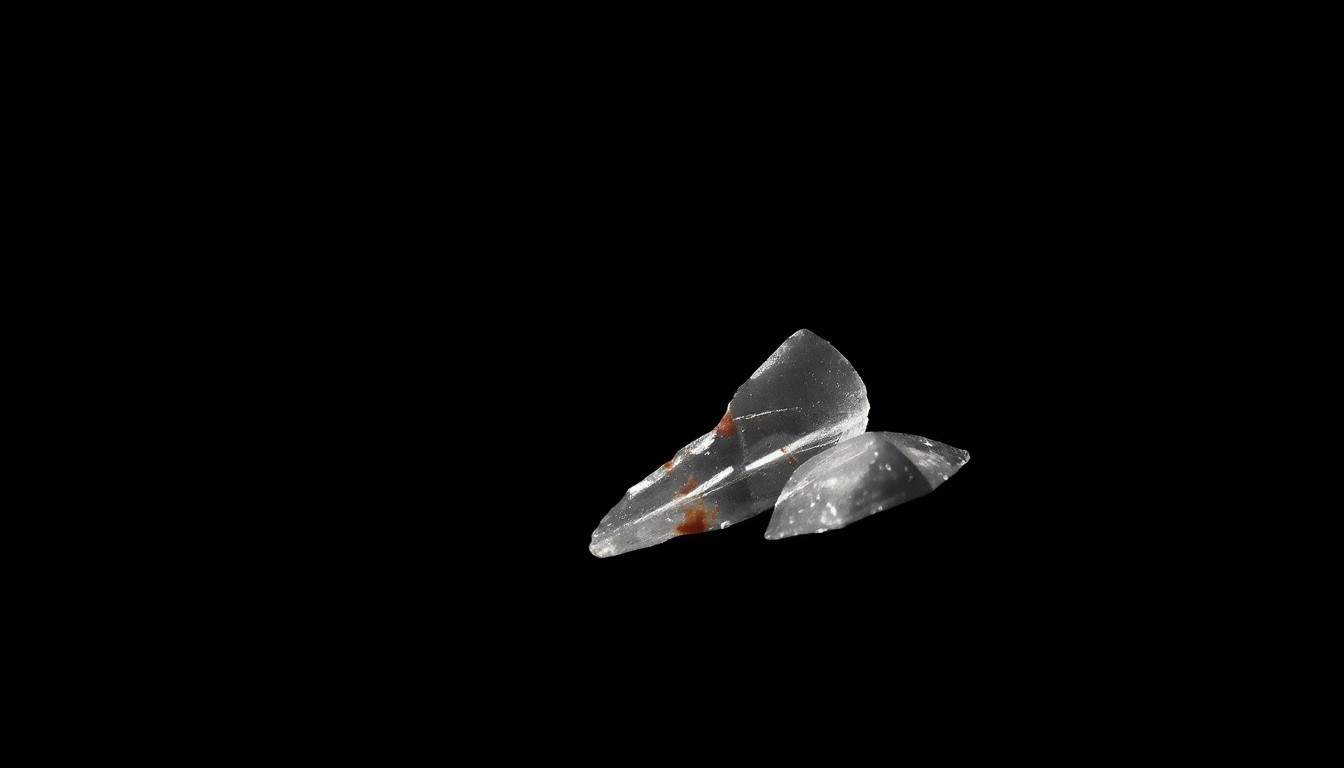 Advanced DNA testing could provide new leads in long-unsolved 'cold case' crimes across Indiana.Indianapolis Today
The Indiana state legislature has passed a new law that will allow for expanded DNA testing on evidence from unsolved 'cold case' crimes. State Representative Carey Hamilton, a Democrat from Indianapolis, believes the law could help provide justice for dozens or even hundreds of families whose loved ones' cases have gone unsolved for years.
Why it matters
This new law represents a significant shift in how Indiana approaches unsolved crimes, giving investigators more tools to potentially crack cases that have gone cold. It reflects a growing national trend of using advanced forensic DNA analysis to revisit old evidence and provide closure for victims' families.
The details
The new Indiana law will allow law enforcement to submit DNA evidence from unsolved crimes, even those that occurred decades ago, for advanced genetic testing. This includes access to expanding DNA databases that may contain matches to evidence collected at crime scenes. The goal is to identify suspects or at least provide families with answers about what happened to their loved ones.
- The new Indiana law went into effect on April 1, 2026.
The players
Carey Hamilton
A Democratic state representative from Indianapolis who sponsored the new 'cold case' DNA testing law.
What they’re saying
“We believe it could be dozens, if not hundreds, of families that will receive justice through this law.”
— Carey Hamilton, State Representative
What’s next
Law enforcement agencies across Indiana are now working to identify unsolved cases where DNA evidence may still exist and could potentially be re-analyzed under the new law.
The takeaway
This new Indiana law represents an important step forward in using advanced forensic science to provide closure for victims' families and potentially solve long-dormant cold cases. It reflects a growing national trend of leveraging DNA technology to revisit unsolved crimes.
Indianapolis top stories



Indianapolis events

Apr. 3, 2026
State Farm College Slam Dunk & 3-Point Championships
Apr. 3, 2026
I SEE STARS SPIN THE WHEEL TOUR