- Today
- Holidays
- Birthdays
- Reminders
- Cities
- Atlanta
- Austin
- Baltimore
- Berwyn
- Beverly Hills
- Birmingham
- Boston
- Brooklyn
- Buffalo
- Charlotte
- Chicago
- Cincinnati
- Cleveland
- Columbus
- Dallas
- Denver
- Detroit
- Fort Worth
- Houston
- Indianapolis
- Knoxville
- Las Vegas
- Los Angeles
- Louisville
- Madison
- Memphis
- Miami
- Milwaukee
- Minneapolis
- Nashville
- New Orleans
- New York
- Omaha
- Orlando
- Philadelphia
- Phoenix
- Pittsburgh
- Portland
- Raleigh
- Richmond
- Rutherford
- Sacramento
- Salt Lake City
- San Antonio
- San Diego
- San Francisco
- San Jose
- Seattle
- Tampa
- Tucson
- Washington
Hammond Today
By the People, for the People
Indiana Residents Oppose Taxpayer Funding for New Bears Stadium
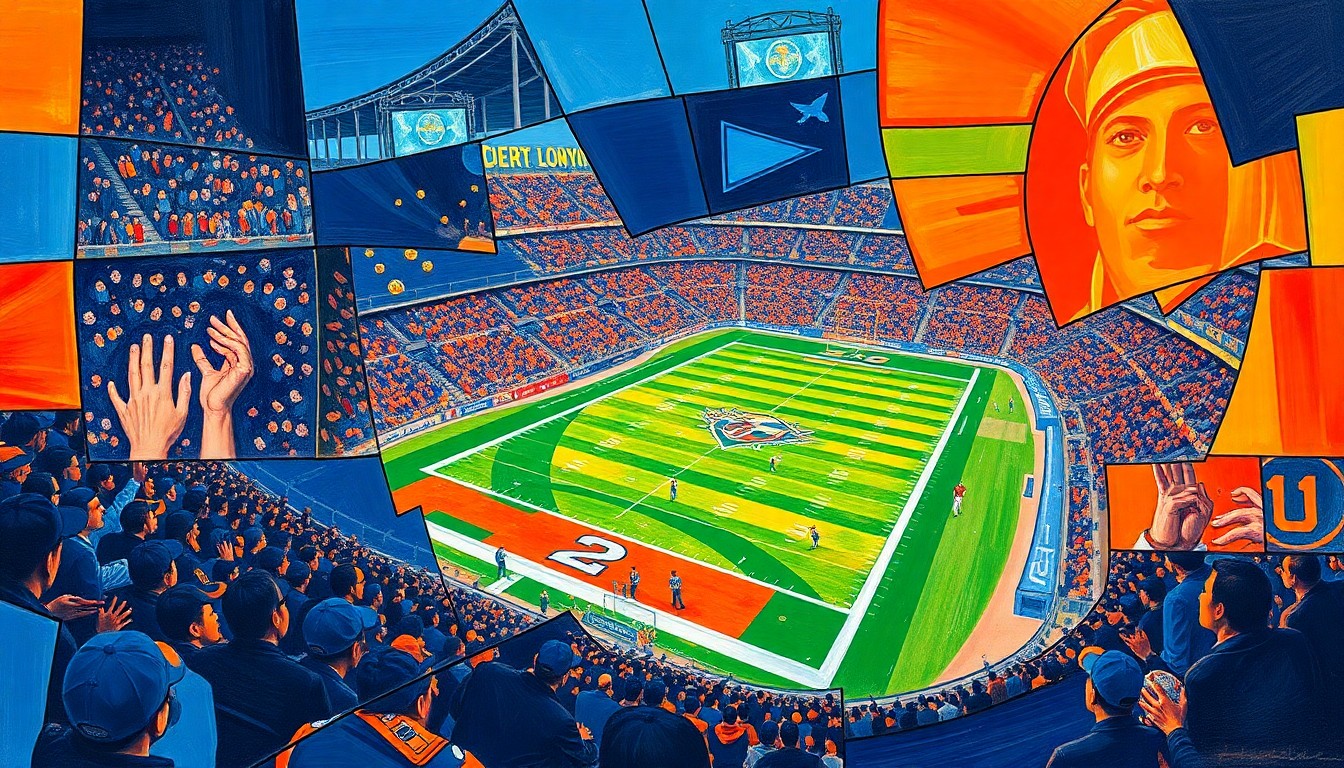
Some Indiana residents are unhappy about paying for a new stadium for the Chicago Bears football team.
Mar. 2, 2026 at 1:31pm
Got story updates? Submit your updates here. ›
The state of Indiana is planning to build a new stadium for the Chicago Bears football team, funded in part by taxpayer money through a variety of new taxes and fees. However, many Indiana residents are opposed to using public funds for this private sports franchise, especially as utility bills and the cost of living are rising in the area.
Why it matters
The decision to use taxpayer money to fund a new stadium for a private sports team is a contentious issue, as it diverts public resources away from other community needs. This debate highlights the ongoing tension between the desire to attract and retain professional sports franchises and the concerns of taxpayers about the costs involved.
The details
The proposed 10-figure stadium package would be funded through a 1% food and beverage tax in two Indiana counties, a 5% tax increase on hotel rooms in one county, and a 12% admissions tax. The plan also includes toll roads and a new special taxing district. Some local residents, such as radio host Chuck Pullen, have criticized the plan, arguing that "blue-collar people in the area are struggling to get by" and questioning why the Bears are receiving "special treatment" over supporting the local community.
- The Indiana state legislature passed a law last week authorizing the stadium funding plan.
- The Chicago Bears have not yet signed a deal to move to Indiana.
The players
Chuck Pullen
A radio host in the Hammond, Indiana area who has criticized the plan to use taxpayer money for a new Bears stadium.
Americans for Prosperity in Indiana
A libertarian organization that initially took a neutral stance on the stadium plan but has since shifted to opposing it, arguing that it "exposes taxpayers to massive financial risk while delivering little public benefit."
What they’re saying
“A lot of blue-collar people in the area are struggling to get by. They're asking, where's our local and state government to help us? And why do the Bears get this special treatment?”
— Chuck Pullen, Radio host
“It exposes taxpayers to massive financial risk while delivering little public benefit. Decades of economic research show stadium subsidies fail to generate net growth, and this proposal repeats the same mistakes — granting broad powers, open-ended liabilities, and special treatment for a private sports franchise at taxpayer expense. We welcome the Bears and private investment coming to Indiana, but it should not be on the back of state and local taxpayers.”
— Americans for Prosperity in Indiana
What’s next
The Chicago Bears have not yet signed a deal to move to Indiana, and Illinois has not yet surrendered the team. The Indiana taxpayers may ultimately get their wish if the Bears decide not to accept the stadium funding plan.
The takeaway
This debate highlights the ongoing tension between the desire to attract and retain professional sports franchises and the concerns of taxpayers about the costs involved. While politicians may view the potential fallout from losing a team as worse than the criticism of committing public money, the Indiana residents are making it clear that they do not want to shoulder the financial burden of a new stadium for a private sports franchise.