- Today
- Holidays
- Birthdays
- Reminders
- Cities
- Atlanta
- Austin
- Baltimore
- Berwyn
- Beverly Hills
- Birmingham
- Boston
- Brooklyn
- Buffalo
- Charlotte
- Chicago
- Cincinnati
- Cleveland
- Columbus
- Dallas
- Denver
- Detroit
- Fort Worth
- Houston
- Indianapolis
- Knoxville
- Las Vegas
- Los Angeles
- Louisville
- Madison
- Memphis
- Miami
- Milwaukee
- Minneapolis
- Nashville
- New Orleans
- New York
- Omaha
- Orlando
- Philadelphia
- Phoenix
- Pittsburgh
- Portland
- Raleigh
- Richmond
- Rutherford
- Sacramento
- Salt Lake City
- San Antonio
- San Diego
- San Francisco
- San Jose
- Seattle
- Tampa
- Tucson
- Washington
Robeco Institutional Asset Management Boosts Cummins Stake
Investment firm increases holdings in engine manufacturer by 6% in Q4 2025
Apr. 12, 2026 at 10:39am
Got story updates? Submit your updates here. ›
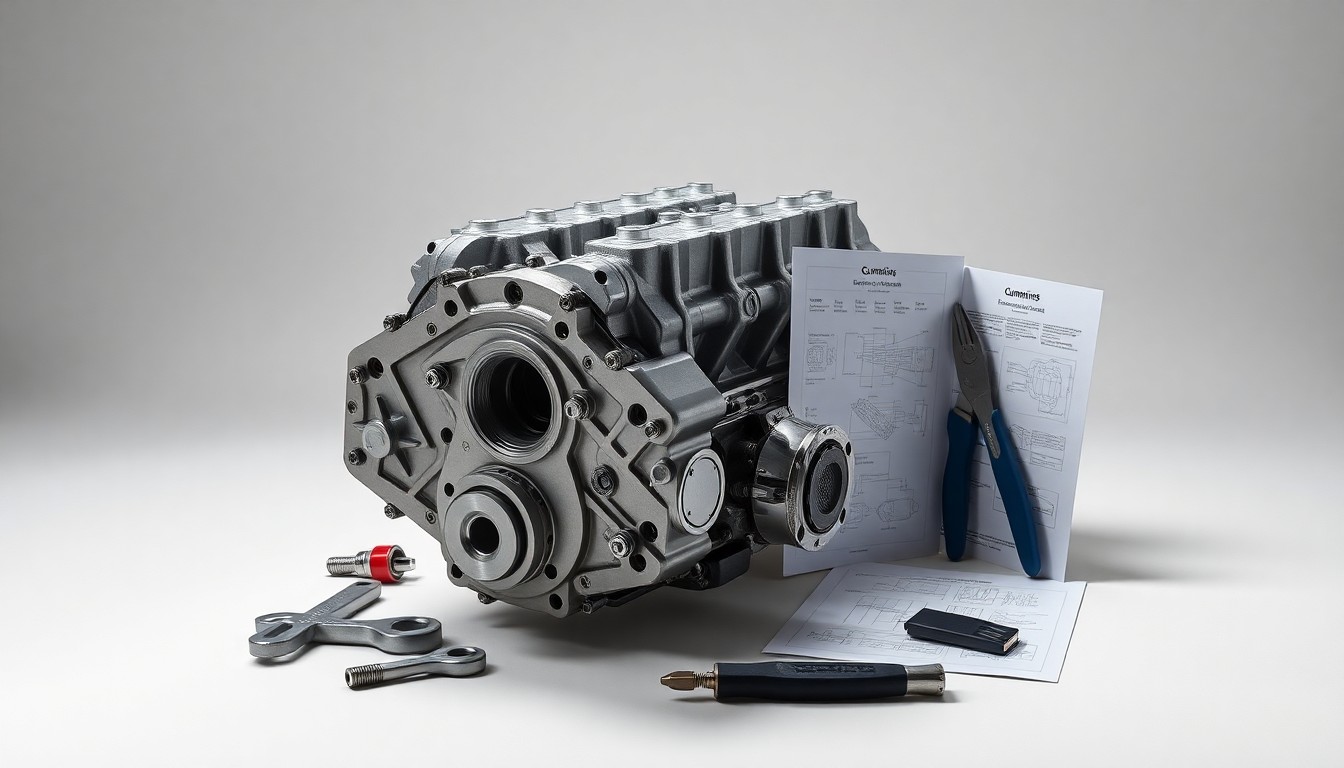
 Robeco's increased investment in Cummins signals confidence in the engine manufacturer's industrial machinery and technology.Columbus Today
Robeco Institutional Asset Management B.V. increased its stake in Cummins Inc. (NYSE: CMI) by 6.0% in the fourth quarter of 2025, according to a recent SEC filing. The firm now owns 307,416 shares of the engine manufacturer's stock, worth approximately $156.9 million.
Why it matters
Cummins is a major player in the heavy machinery and industrial engine sectors, making this investment by a prominent institutional asset manager noteworthy. The increased stake suggests Robeco sees long-term growth potential in Cummins' business.
The details
Robeco Institutional Asset Management purchased an additional 17,304 shares of Cummins during the fourth quarter, bringing its total holdings to 307,416 shares. This represents about 0.22% of Cummins' outstanding stock. The investment firm cited Cummins' strong financial performance and growth prospects as reasons for boosting its position in the company.
- Robeco increased its Cummins stake in the fourth quarter of 2025.
The players
Robeco Institutional Asset Management B.V.
A global asset management firm that oversees over $200 billion in client assets.
Cummins Inc.
A multinational corporation that designs, manufactures, and distributes engines, filtration, and power generation products.
The takeaway
This investment by a major institutional investor reflects confidence in Cummins' long-term growth potential, particularly in the heavy machinery and industrial engine sectors. It suggests the company's financial performance and market positioning remain strong despite broader economic uncertainties.