- Today
- Holidays
- Birthdays
- Reminders
- Cities
- Atlanta
- Austin
- Baltimore
- Berwyn
- Beverly Hills
- Birmingham
- Boston
- Brooklyn
- Buffalo
- Charlotte
- Chicago
- Cincinnati
- Cleveland
- Columbus
- Dallas
- Denver
- Detroit
- Fort Worth
- Houston
- Indianapolis
- Knoxville
- Las Vegas
- Los Angeles
- Louisville
- Madison
- Memphis
- Miami
- Milwaukee
- Minneapolis
- Nashville
- New Orleans
- New York
- Omaha
- Orlando
- Philadelphia
- Phoenix
- Pittsburgh
- Portland
- Raleigh
- Richmond
- Rutherford
- Sacramento
- Salt Lake City
- San Antonio
- San Diego
- San Francisco
- San Jose
- Seattle
- Tampa
- Tucson
- Washington
Virginia Today
By the People, for the People
Trump Proposal Would Make $5 Billion US EV Charger Fund Unusable, Democrats Say
20 state attorneys general argue the plan to boost American parts in federally funded EV chargers is not feasible.
Mar. 17, 2026 at 5:59pm
Got story updates? Submit your updates here. ›
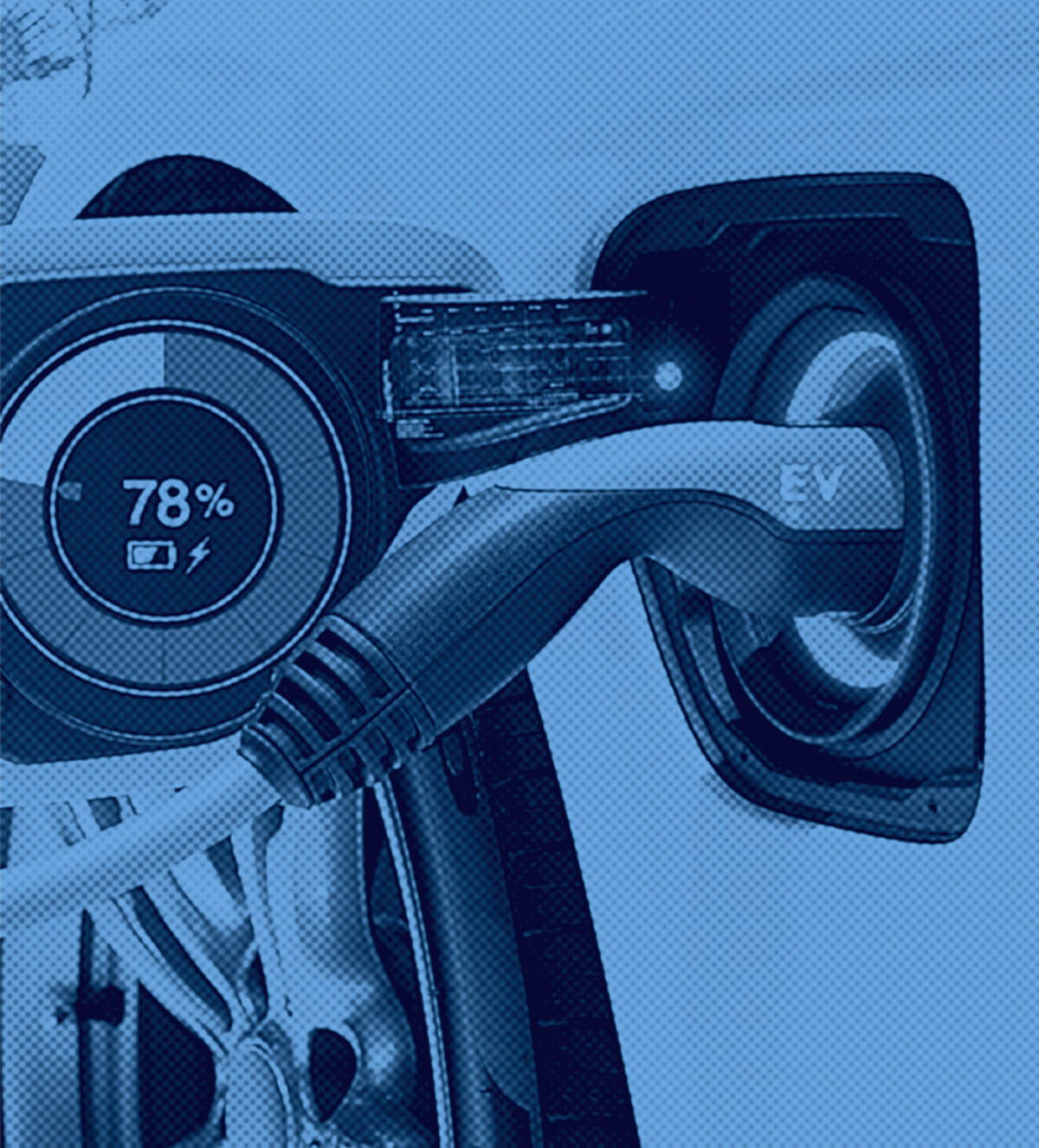
A group of 20 state attorneys general, including those from California, Colorado, Arizona, New York, Virginia, Illinois, and Michigan, have said that a Trump administration proposal to increase 'Buy America' requirements for federally funded electric vehicle charging stations from 55% to 100% would effectively make the $5 billion program unusable. The attorneys general argue that the proposal is not feasible as there are currently no 100% domestically produced chargers available for purchase.
Why it matters
The $5 billion National Electric Vehicle Infrastructure Formula Program was part of a 2021 infrastructure law enacted under President Biden to support the expansion of EV charging infrastructure across the country. The Trump administration's proposal to significantly increase domestic content requirements threatens to undermine this congressional effort to accelerate EV adoption and reduce emissions.
The details
The Trump administration proposal would require 100% of the components in federally funded EV chargers to be produced in the United States, up from the current 55% requirement. The state attorneys general argue this is not feasible, as there are no 100% domestically produced chargers available and the demand is not high enough to justify investing in domestic production of all the necessary components. They say the proposal would 'frustrate congressional intent, and impair the public interest by slowing or halting federally funded EV charger deployment nationwide.'
- In January 2026, a U.S. District Judge ruled that the Trump administration had unlawfully suspended funding for the EV charger infrastructure program.
- On March 16, 2026, the group of 20 state attorneys general sent a letter criticizing the Trump administration's proposal.
The players
Trump administration
The former presidential administration led by Donald Trump, which has pursued policies to boost gas-powered vehicles and cut EV incentives.
20 state attorneys general
A group of state attorneys general from California, Colorado, Arizona, New York, Virginia, Illinois, Michigan, and other states, who are opposing the Trump administration's proposal.
U.S. District Judge Tana Lin
The judge who ruled in January 2026 that the Trump administration had unlawfully suspended funding for the EV charger infrastructure program.
Andy Beshear
The Democratic Governor of Kentucky, who joined the group of 20 state attorneys general in criticizing the Trump administration's proposal.
U.S. Department of Transportation (USDOT)
The federal agency that proposed the changes to the 'Buy America' requirements for the EV charger funding program.
What they’re saying
“The Trump administration proposal to hike so-called 'Buy America' requirements from 55% to 100% would make it 'impossible for manufacturers to achieve, frustrate congressional intent, and impair the public interest by slowing or halting federally funded EV charger deployment nationwide.'”
— Group of 20 state attorneys general (taylorvilledailynews.com)
“There are currently no 100% domestically produced chargers available for purchase, there is not enough demand for 100% domestically produced chargers to justify investing in domestic production, and some critical components of the chargers are simply not produced in the United States.”
— Group of 20 state attorneys general (taylorvilledailynews.com)
What’s next
The Trump administration's proposal would take immediate effect once the changes are finalized. The Sierra Club has called the proposal another bad-faith attempt to kill the EV charger funding program by the Trump administration.
The takeaway
This dispute highlights the ongoing political tensions around electric vehicle policies in the United States, with the Trump administration pushing to support traditional fossil fuel industries while Democratic-led states are fighting to accelerate the transition to clean transportation. The outcome could have significant implications for the rollout of EV charging infrastructure across the country.