- Today
- Holidays
- Birthdays
- Reminders
- Cities
- Atlanta
- Austin
- Baltimore
- Berwyn
- Beverly Hills
- Birmingham
- Boston
- Brooklyn
- Buffalo
- Charlotte
- Chicago
- Cincinnati
- Cleveland
- Columbus
- Dallas
- Denver
- Detroit
- Fort Worth
- Houston
- Indianapolis
- Knoxville
- Las Vegas
- Los Angeles
- Louisville
- Madison
- Memphis
- Miami
- Milwaukee
- Minneapolis
- Nashville
- New Orleans
- New York
- Omaha
- Orlando
- Philadelphia
- Phoenix
- Pittsburgh
- Portland
- Raleigh
- Richmond
- Rutherford
- Sacramento
- Salt Lake City
- San Antonio
- San Diego
- San Francisco
- San Jose
- Seattle
- Tampa
- Tucson
- Washington
Illinois Supreme Court Weighs Challenge to State Gun Restriction
Case questions state's ability to prohibit people with nonviolent felony convictions from possessing firearms
Mar. 10, 2026 at 11:20pm
Got story updates? Submit your updates here. ›
The Illinois Supreme Court is weighing arguments in a case that challenges the state's law prohibiting people with nonviolent felony convictions from possessing firearms. The case involves James Benson, who was convicted of misdemeanor battery, reckless discharge of a firearm, and unlawful possession of a firearm by a felon stemming from a 2021 domestic dispute. Benson argues the state law is unconstitutional as applied to his case, citing the U.S. Supreme Court's recent Bruen decision on the Second Amendment.
Why it matters
This case could set a precedent for how states can restrict firearm possession by people with nonviolent felony convictions, an issue that has become more complex after the U.S. Supreme Court's Bruen ruling. The outcome could impact the rights of thousands of Illinoisans with prior nonviolent felony convictions.
The details
Benson was arrested in 2021 following a domestic dispute where a .40 caliber handgun was fired, though there was conflicting testimony about who fired it. He was convicted of misdemeanor battery, reckless discharge, and unlawful possession of a firearm by a felon due to a prior 2015 felony conviction. Benson argues the state law prohibiting felons from possessing firearms is unconstitutional under the Bruen decision, which established a new test for reviewing gun control regulations.
- On Christmas Eve 2021, Benson was involved in a domestic dispute where a gun was fired.
- In 2022, the U.S. Supreme Court issued its landmark Bruen decision on the Second Amendment.
The players
James Benson
An Illinois resident who was convicted of misdemeanor battery, reckless discharge of a firearm, and unlawful possession of a firearm by a felon in 2021.
Illinois Supreme Court
The highest court in the state of Illinois, which is weighing arguments in Benson's case challenging the state's law prohibiting felons from possessing firearms.
Elizabeth Cook
An attorney with the State Appellate Defender's office, representing Benson in his challenge to the state's felon-in-possession law.
Garson Fischer
An assistant attorney general for the state of Illinois, arguing in defense of the state's law prohibiting felons from possessing firearms.
What they’re saying
“The Second Amendment protects a core constitutional right, the right to bear arms. … Just as we would agree that a former felon has the right to a jury trial or the right to free speech, so we should presume that every free American is a member of 'the people' and entitled to full constitutional protection, including the right to bear arms.”
— Elizabeth Cook, Attorney, State Appellate Defender's office
“And we know it is because dating back to colonial times, penalties (for unlawful possession of a weapon) far more severe than mere disarmament were imposed on all felons, including nonviolent felons, people convicted of things like counterfeiting and forgery.”
— Garson Fischer, Assistant Attorney General
What’s next
The Illinois Supreme Court took the case under review but did not indicate when a decision would be issued.
The takeaway
This case highlights the ongoing legal debate over the scope of the Second Amendment and how states can restrict firearm possession, especially for those with prior nonviolent felony convictions, in the wake of the U.S. Supreme Court's Bruen decision.
Springfield top stories


Springfield events

Apr. 10, 2026
Springfield Jr. Blues vs. Wisconsin Windigo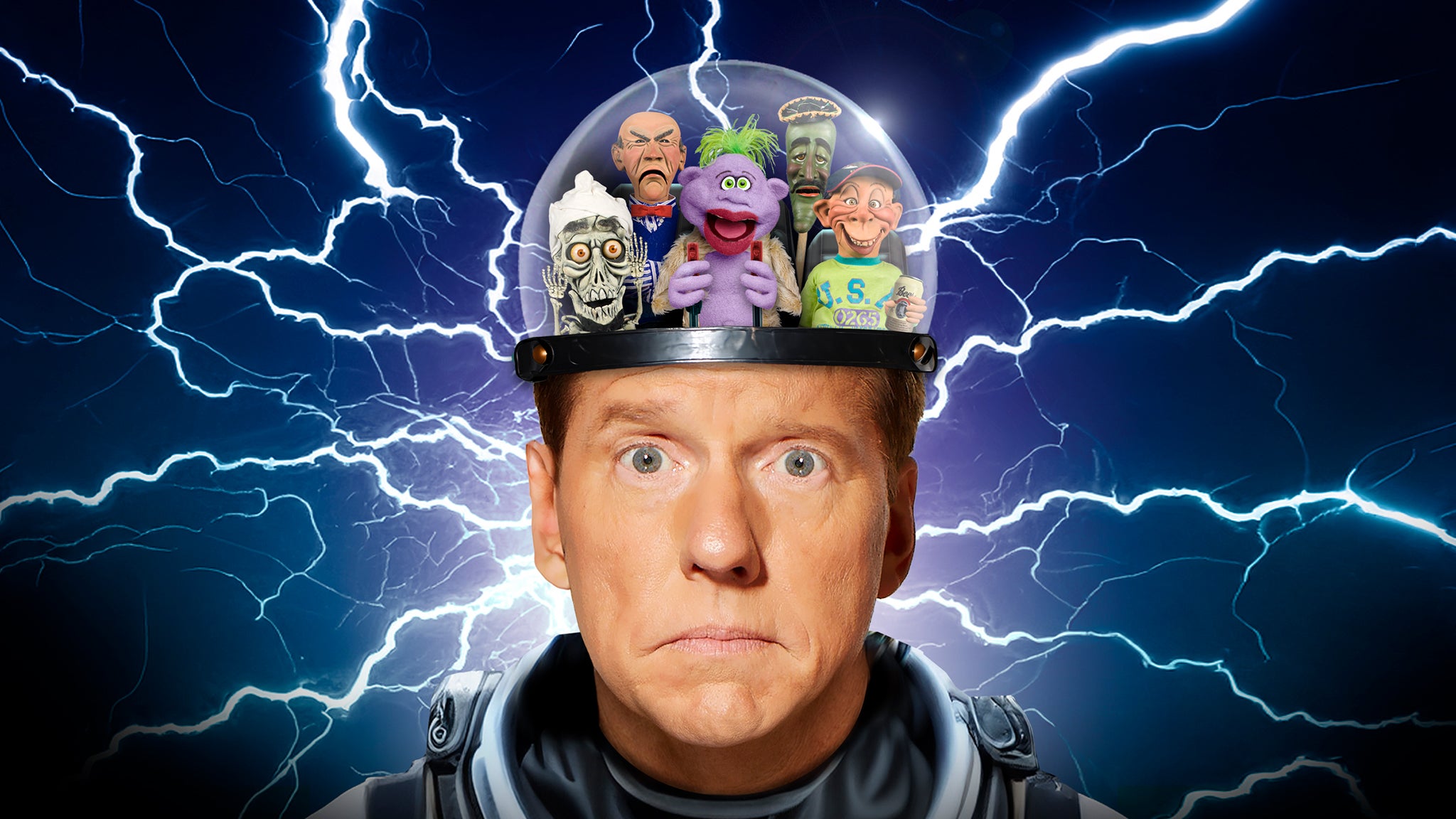
Apr. 11, 2026
Jeff Dunham Artificial Intelligence
Apr. 11, 2026
Springfield Jr. Blues vs. Wisconsin Windigo