- Today
- Holidays
- Birthdays
- Reminders
- Cities
- Atlanta
- Austin
- Baltimore
- Berwyn
- Beverly Hills
- Birmingham
- Boston
- Brooklyn
- Buffalo
- Charlotte
- Chicago
- Cincinnati
- Cleveland
- Columbus
- Dallas
- Denver
- Detroit
- Fort Worth
- Houston
- Indianapolis
- Knoxville
- Las Vegas
- Los Angeles
- Louisville
- Madison
- Memphis
- Miami
- Milwaukee
- Minneapolis
- Nashville
- New Orleans
- New York
- Omaha
- Orlando
- Philadelphia
- Phoenix
- Pittsburgh
- Portland
- Raleigh
- Richmond
- Rutherford
- Sacramento
- Salt Lake City
- San Antonio
- San Diego
- San Francisco
- San Jose
- Seattle
- Tampa
- Tucson
- Washington
Davidsmeyer: Illinois Families Cannot Afford Gov. Pritzker's 'Tax, Spend, Repeat' Budget
Republican leader criticizes Pritzker's proposed $56 billion budget as unaffordable and unsustainable
Feb. 23, 2026 at 9:07pm
Got story updates? Submit your updates here. ›
Illinois State Representative C.D. Davidsmeyer, the Assistant Republican Leader, has criticized Governor JB Pritzker's proposed $56 billion Fiscal Year 2027 budget as being unaffordable and unsustainable for Illinois families. Davidsmeyer argues that the budget relies on $728 million in new revenue from taxes on social media platforms and higher gaming taxes, on top of the nearly $1 billion in new taxes and fees implemented last year.
Why it matters
The debate over the state budget reflects the ongoing political tensions in Illinois between the Democratic governor and the Republican minority in the legislature. Pritzker's spending plan aims to increase funding for education, healthcare, and other priorities, but Davidsmeyer and other Republicans argue that the tax increases will further burden Illinois families already struggling with the high cost of living.
The details
Governor Pritzker's proposed $56 billion budget for Fiscal Year 2027 is a record high, nearly $1 billion more than last year's enacted budget. The spending plan relies on $728 million in new revenue, including new taxes on social media platforms and higher gaming taxes. Davidsmeyer, the Assistant Republican Leader, criticized the budget as being unaffordable and unsustainable, noting that state spending has increased by $16 billion, or 40%, under Pritzker's watch. Davidsmeyer argued that the budget includes 'hundreds of millions of our tax dollars going to welfare benefits for illegal immigrants' and provides no relief from the high cost of living or property taxes for working families.
- Governor Pritzker delivered his annual Budget/State of the State Address on Wednesday to the Illinois General Assembly.
- Last year, the Democratic majority in the legislature increased taxes and fees by nearly $1 billion to balance their budget, and those increases are included in the proposed FY27 budget.
The players
Governor JB Pritzker
The Democratic governor of Illinois who delivered the annual budget address and proposed a $56 billion spending plan for Fiscal Year 2027.
C.D. Davidsmeyer
The Assistant Republican Leader in the Illinois House of Representatives who criticized Pritzker's budget proposal as unaffordable and unsustainable for Illinois families.
What they’re saying
“On Governor Pritzker's watch, state spending has increased by $16 billion, a 40% spending hike. He's raised taxes and fees year after year and wants to take even more money out of the pockets of hardworking families this year. Despite spouting off talking points about affordability, the reality is Illinois families cannot afford Pritzker's 'Tax, Spend, Repeat' Budget.”
— C.D. Davidsmeyer, Assistant Republican Leader
“This budget is a disaster for hardworking Illinoisans. More taxes and fees, another billion dollars in wasteful spending, including hundreds of millions of our tax dollars going to welfare benefits for illegal immigrants. There's no relief from the high cost of living. There's no property tax relief or tax cuts for working families anywhere to be found in this budget. We've got to make Illinois a more affordable place to live, work, and raise a family.”
— C.D. Davidsmeyer, Assistant Republican Leader
What’s next
The Illinois General Assembly will now review and debate Governor Pritzker's proposed budget, with the Republican minority likely to continue pushing back on the tax increases and spending priorities.
The takeaway
The debate over Illinois' state budget reflects the ongoing political divide between the Democratic governor and the Republican minority in the legislature. While Pritzker's budget aims to increase funding for key priorities, the GOP argues that the tax hikes will further burden Illinois families already struggling with the high cost of living in the state.
Springfield top stories


Springfield events
Apr. 10, 2026
Springfield Jr. Blues vs. Wisconsin Windigo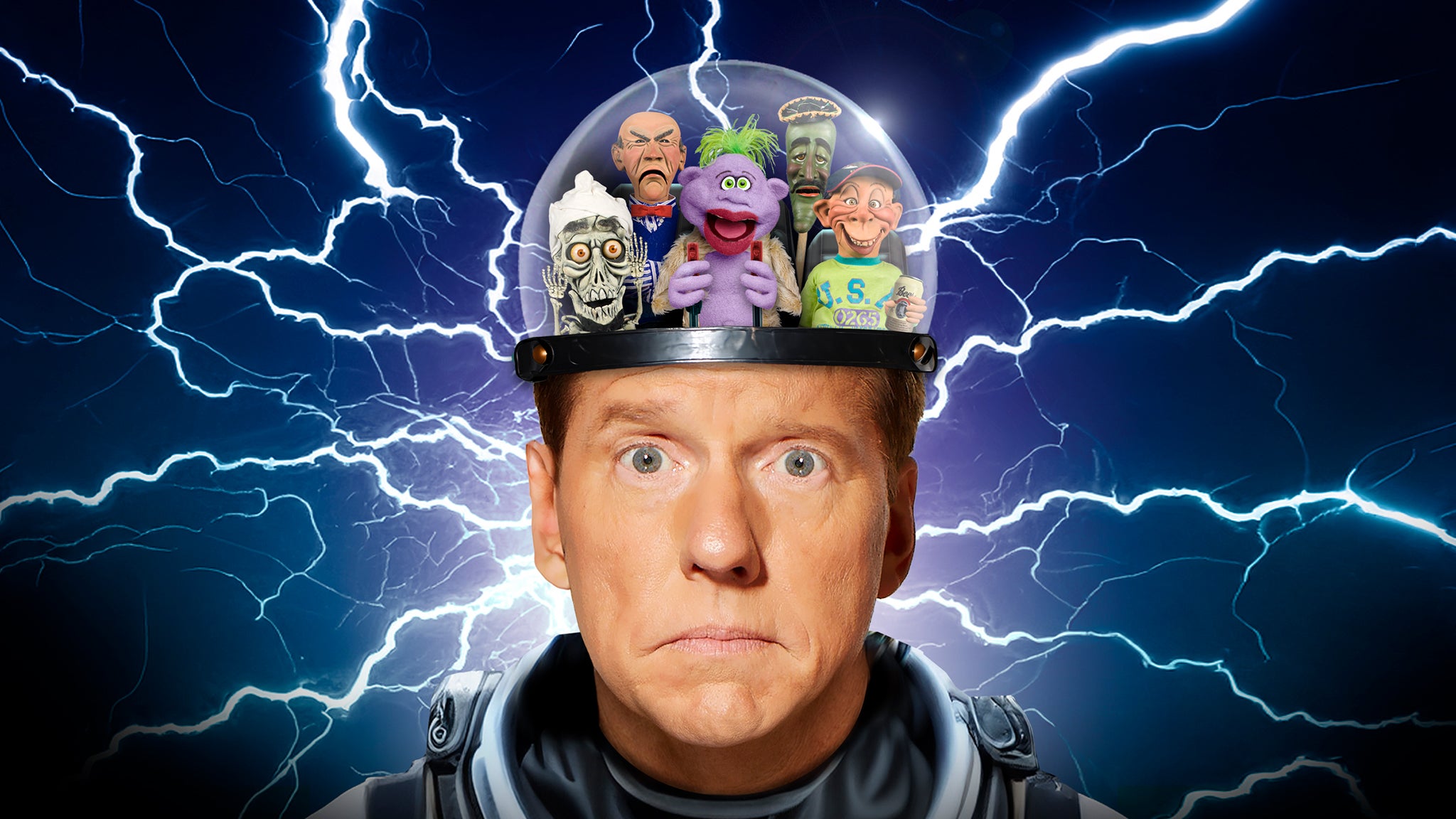
Apr. 11, 2026
Jeff Dunham Artificial Intelligence
Apr. 11, 2026
Springfield Jr. Blues vs. Wisconsin Windigo