- Today
- Holidays
- Birthdays
- Reminders
- Cities
- Atlanta
- Austin
- Baltimore
- Berwyn
- Beverly Hills
- Birmingham
- Boston
- Brooklyn
- Buffalo
- Charlotte
- Chicago
- Cincinnati
- Cleveland
- Columbus
- Dallas
- Denver
- Detroit
- Fort Worth
- Houston
- Indianapolis
- Knoxville
- Las Vegas
- Los Angeles
- Louisville
- Madison
- Memphis
- Miami
- Milwaukee
- Minneapolis
- Nashville
- New Orleans
- New York
- Omaha
- Orlando
- Philadelphia
- Phoenix
- Pittsburgh
- Portland
- Raleigh
- Richmond
- Rutherford
- Sacramento
- Salt Lake City
- San Antonio
- San Diego
- San Francisco
- San Jose
- Seattle
- Tampa
- Tucson
- Washington
Ottawa Today
By the People, for the People
F1's Energy Management Dilemma: Alonso Critiques High-Speed Corners
The former champion argues modern F1 prioritizes battery strategy over raw driver skill.
Apr. 12, 2026 at 11:56am
Got story updates? Submit your updates here. ›
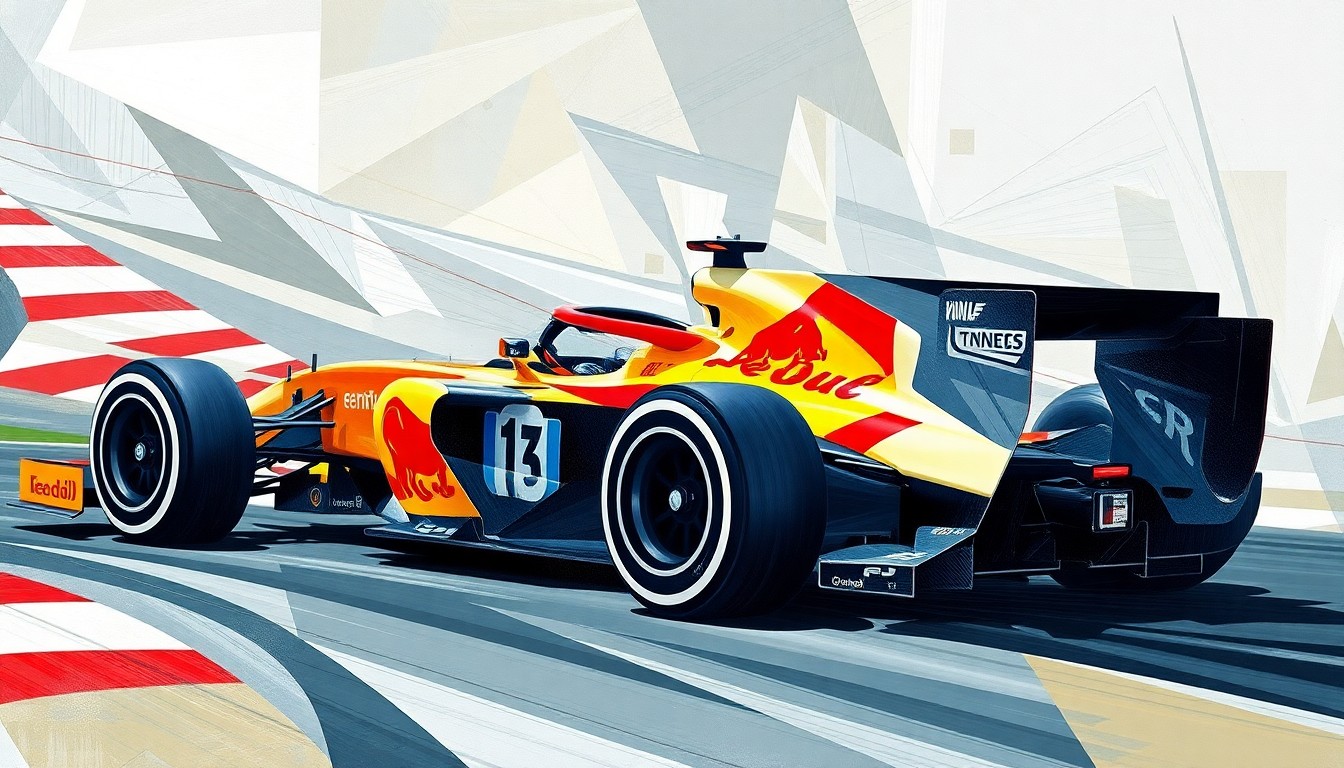 Alonso's critique of F1's energy management rules exposes the delicate balance between sustainability and the visceral thrill of high-speed driving.Ottawa Today
Fernando Alonso's latest critique of Formula 1 highlights a growing concern that the sport is drifting away from the raw driver skill that defined its golden eras. Alonso argues the current energy recovery and deployment rules have created an inversion where cars spend precious high-speed sections in 'charging mode', with the driver's role becoming more about managing the energy map than pushing the limits of car control.
Why it matters
Alonso's comments touch on a deeper debate about the evolving nature of motorsport, where engineering optimization and sustainability mandates may be diluting the visceral thrill of high-speed driving. As F1 seeks to balance efficiency and spectacle, there are questions about whether the sport is still rewarding the same kind of human risk-taking and boundary-pushing that defined its past.
The details
Alonso claims the modern F1 car's energy recovery and deployment systems mean drivers now spend key high-speed sections focused on battery management rather than pure car control. This is exemplified at circuits like Suzuka's 130R corner, where the car's 'charging mode' prioritizes energy harvesting over the fearless line choice and micro-timing that defined the corner's challenge in the past.
- The 2026 F1 season will see the energy ceiling reduced from 9MJ to 8MJ per lap in Japan.
- Upcoming races at new venues like Miami may offer layouts that minimize the energy management theatrics Alonso criticizes.
The players
Fernando Alonso
A two-time Formula 1 world champion who has been outspoken about his concerns over the sport's evolving technical regulations.
Max Verstappen
The reigning F1 world champion, who has also expressed frustration with the energy management demands of the current cars.
What they’re saying
“If the engine and ERS systems do most of the heavy lifting, the driver's role—once a continuous test of boundary-pushing control—risk becoming ceremonial.”
— Fernando Alonso, Two-time F1 World Champion
What’s next
The judge in the case will decide on Tuesday whether or not to allow Walker Reed Quinn out on bail.
The takeaway
This case highlights growing concerns in the community about repeat offenders released on bail, raising questions about bail reform, public safety on SF streets, and if any special laws to govern autonomous vehicles in residential and commercial areas.