- Today
- Holidays
- Birthdays
- Reminders
- Cities
- Atlanta
- Austin
- Baltimore
- Berwyn
- Beverly Hills
- Birmingham
- Boston
- Brooklyn
- Buffalo
- Charlotte
- Chicago
- Cincinnati
- Cleveland
- Columbus
- Dallas
- Denver
- Detroit
- Fort Worth
- Houston
- Indianapolis
- Knoxville
- Las Vegas
- Los Angeles
- Louisville
- Madison
- Memphis
- Miami
- Milwaukee
- Minneapolis
- Nashville
- New Orleans
- New York
- Omaha
- Orlando
- Philadelphia
- Phoenix
- Pittsburgh
- Portland
- Raleigh
- Richmond
- Rutherford
- Sacramento
- Salt Lake City
- San Antonio
- San Diego
- San Francisco
- San Jose
- Seattle
- Tampa
- Tucson
- Washington
Chicago Restores Disability Funding for Catholic Schools
The archdiocese operates nearly 150 Catholic schools in the city.
Apr. 17, 2026 at 1:52am
Got story updates? Submit your updates here. ›
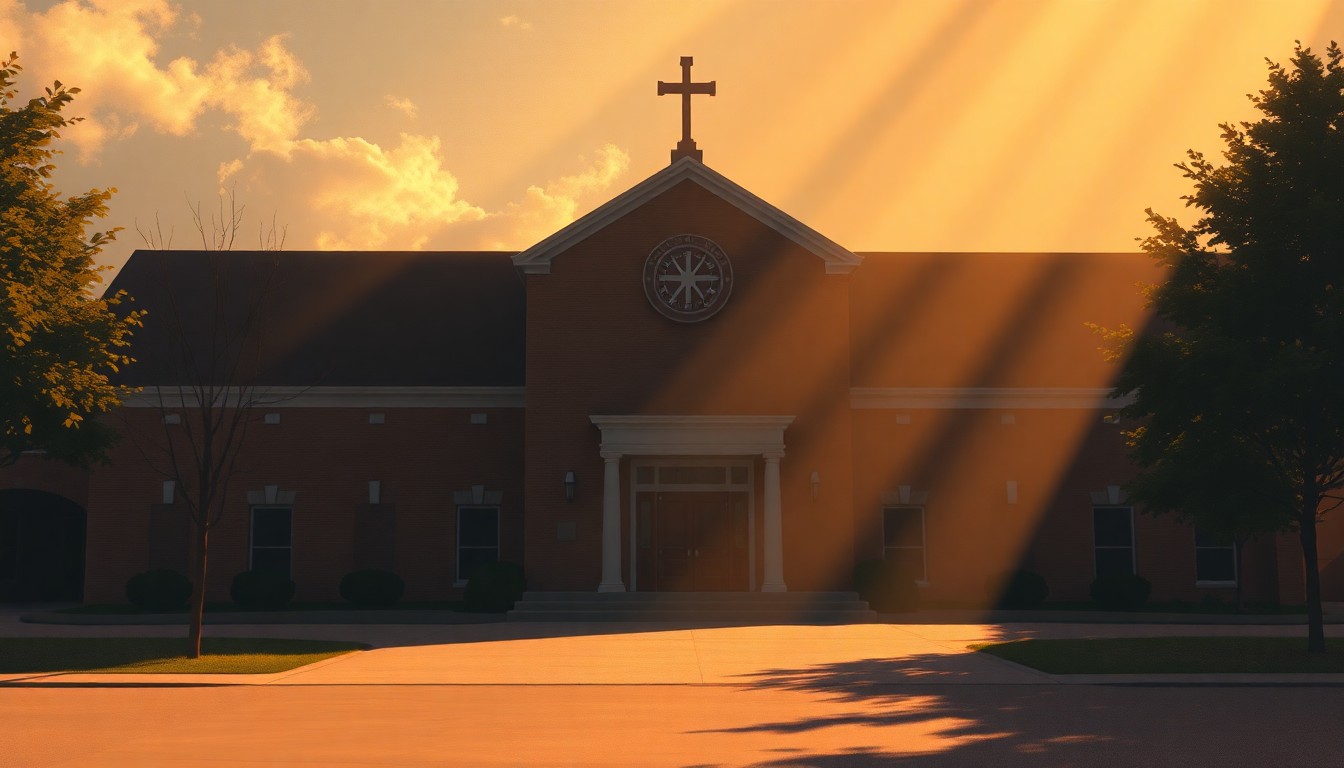 The restoration of disability funding for Catholic school students in Chicago signals a renewed commitment to inclusive education across the city's diverse school system.Chicago Today
Chicago Public Schools (CPS) has announced that it will restore disability support funding for students attending Catholic schools in the city. This decision impacts over 800 students with disabilities enrolled in the nearly 150 Catholic schools operated by the Chicago Archdiocese.
Why it matters
The restoration of this funding is an important step in ensuring equitable access to educational resources for students with disabilities, regardless of whether they attend public or private schools. It also highlights the ongoing collaboration between the city's public school system and the Catholic school network.
The details
Though Catholic school students are enrolled in private institutions, they are still entitled to receive certain support services from the public school district. The previous decision to cut this funding had raised concerns about the ability of Catholic schools to adequately serve students with special needs. The reversal of this policy is expected to improve educational outcomes and accessibility for these students.
- The funding cuts were initially announced in 2025.
- The restoration of funding was announced on April 17, 2026.
The players
Chicago Public Schools (CPS)
The public school district serving the city of Chicago, Illinois.
Chicago Archdiocese
The Catholic archdiocese that operates nearly 150 private schools in the Chicago area.
The takeaway
This decision demonstrates a commitment to inclusive education and the recognition that students with disabilities deserve equal access to resources, regardless of the type of school they attend. It sets a positive precedent for collaboration between public and private educational institutions to support the needs of all students.
Chicago top stories



Chicago events
Apr. 17, 2026
Hamilton (Chicago)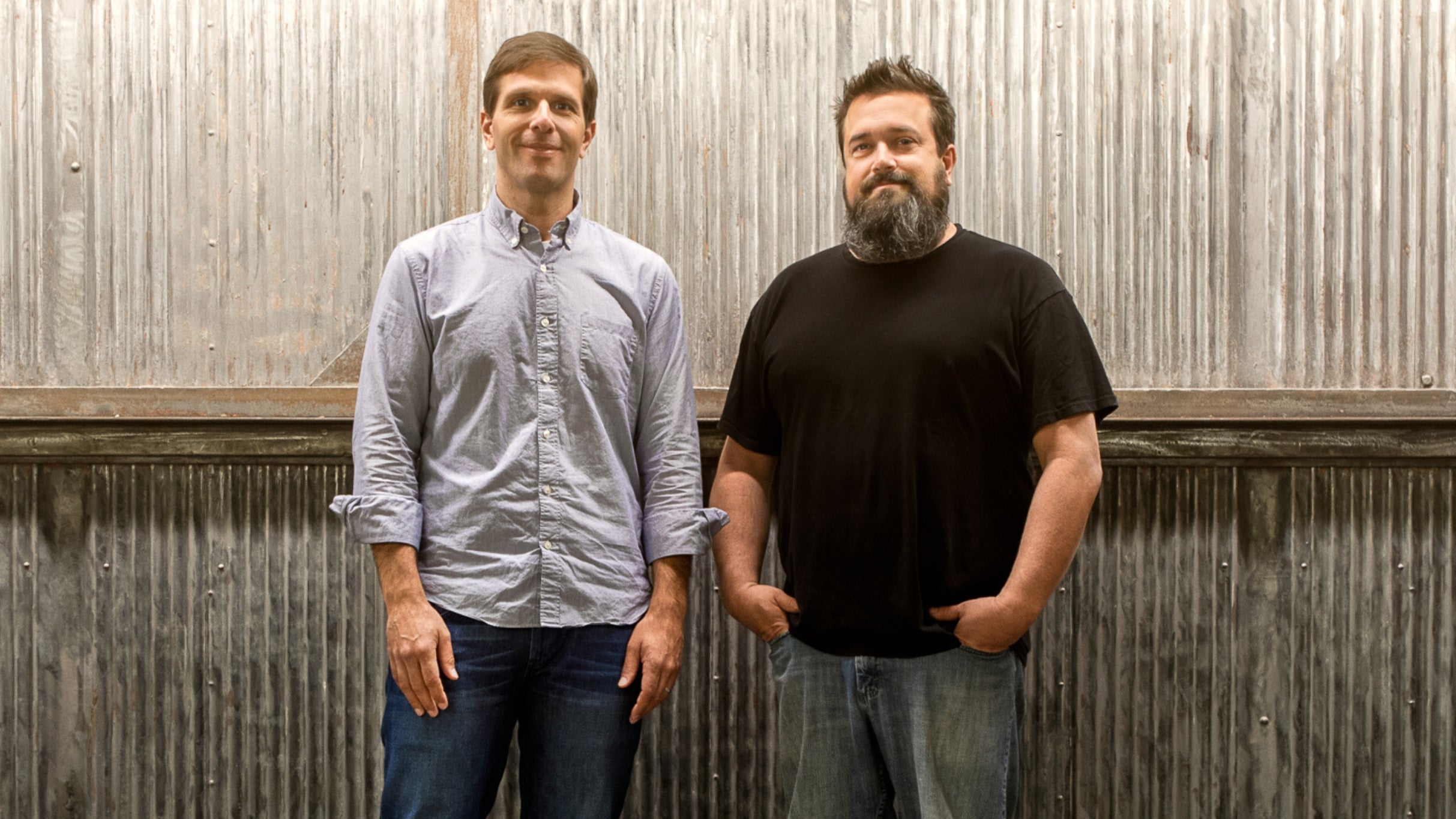
Apr. 17, 2026
Stuff You Should Know Live
Apr. 17, 2026
The Merry Wives of Windsor