- Today
- Holidays
- Birthdays
- Reminders
- Cities
- Atlanta
- Austin
- Baltimore
- Berwyn
- Beverly Hills
- Birmingham
- Boston
- Brooklyn
- Buffalo
- Charlotte
- Chicago
- Cincinnati
- Cleveland
- Columbus
- Dallas
- Denver
- Detroit
- Fort Worth
- Houston
- Indianapolis
- Knoxville
- Las Vegas
- Los Angeles
- Louisville
- Madison
- Memphis
- Miami
- Milwaukee
- Minneapolis
- Nashville
- New Orleans
- New York
- Omaha
- Orlando
- Philadelphia
- Phoenix
- Pittsburgh
- Portland
- Raleigh
- Richmond
- Rutherford
- Sacramento
- Salt Lake City
- San Antonio
- San Diego
- San Francisco
- San Jose
- Seattle
- Tampa
- Tucson
- Washington
Hair Fall Not Stopping Despite Treatment? Expert Explains the Science Behind Failed Hair Regrowth
Dermatologist explains why sometimes hair loss treatments may fail due to inactive stem cells, and not lack of stimulation.
Apr. 16, 2026 at 1:21pm
Got story updates? Submit your updates here. ›
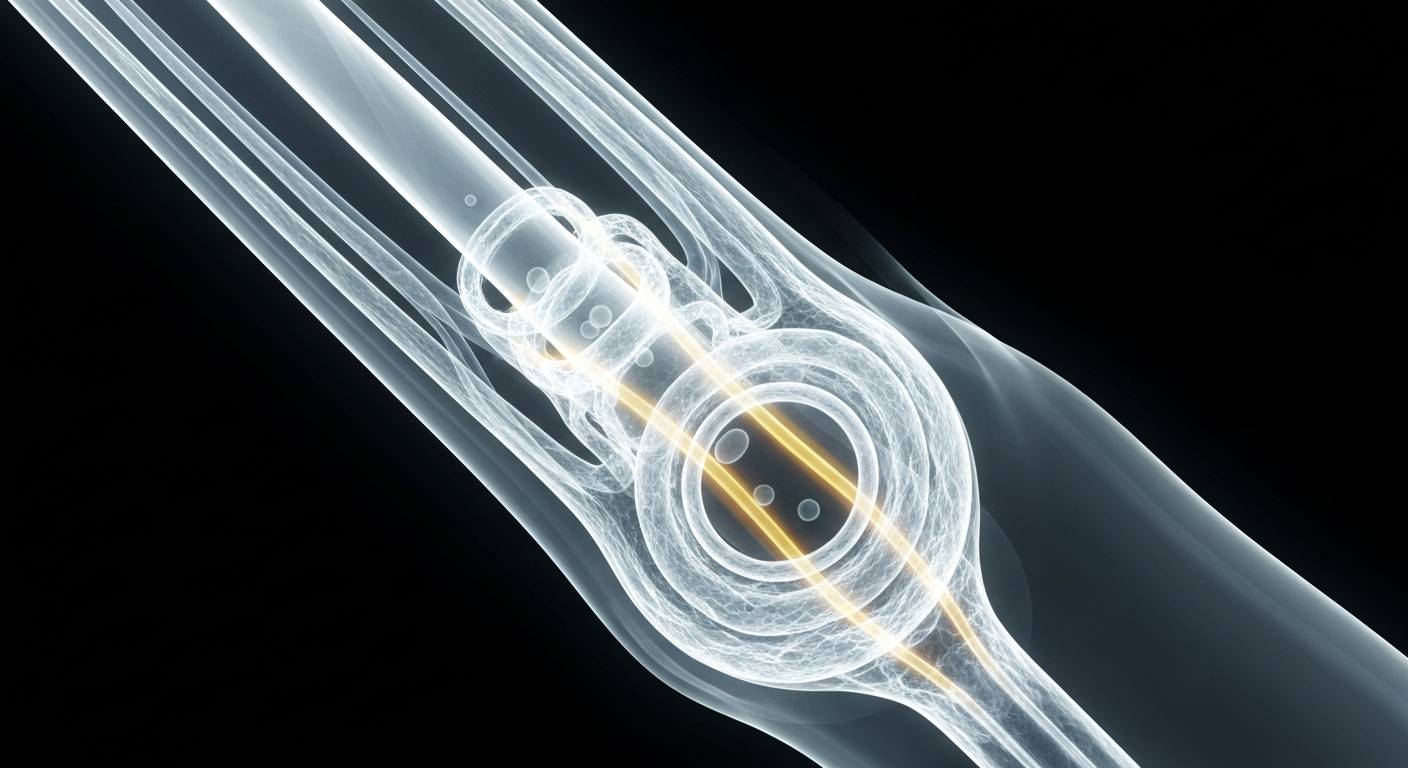 An X-ray view into the complex biology of hair follicle stem cells, whose epigenetic regulation holds the key to effective hair regrowth treatments.Chicago Today
Patients struggling with extreme hair fall even after undergoing expensive treatments are asking why the treatments are not working. The answer, based on molecular evidence, is that hair loss in many patients is not a simple lack of stimulation, but rather a biology problem of the hair follicle stem cells (HFSCs). The transcription factor EGR2 acts as a master regulator of the activation process, and when its activity is impaired due to factors like chronic inflammation and oxidative stress, the stem cells remain dormant, regardless of external treatments.
Why it matters
Understanding the role of hair follicle stem cells and the epigenetic regulation of EGR2 is crucial for developing more effective hair loss treatments. Many current treatments only provide partial or temporary results because they fail to address the underlying issue of stem cell dormancy. Targeting the molecular pathways that control stem cell activation could lead to more durable hair regrowth solutions.
The details
The paper "Epigenetic and Molecular Regulation of EGR2 Activates Quiescent HFSCs & Harness Hair Regeneration" published in Stem Cell Reviews and Reports in January 2026 focuses on the transcription factor EGR2 (KROX20), which acts as a master regulator of the activation process for hair follicle stem cells (HFSCs). EGR2 controls the transition from the quiescent to the proliferative state of HFSCs, regulating pathways like WNT, BMP, MAPK/ERK, and PI3K/AKT. However, during the telogen (resting) phase, a repressive epigenetic mark, H3K27me3, is placed on the EGR2 gene, effectively locking it shut and keeping stem cells dormant. This epigenetic lock can be impaired by factors like chronic inflammation and oxidative stress, preventing the stem cells from responding to external stimuli and treatments.
- The paper "Epigenetic and Molecular Regulation of EGR2 Activates Quiescent HFSCs & Harness Hair Regeneration" was published in January 2026.
The players
Dr. Debraj Shome
A clinical scientist and research mentor at QR678, who provided an exclusive interview to TheHealthSite.com about the science behind hair loss and hair regrowth.
QR678
A company that has developed patented inventions that modulate EGR2-linked pathways and other biological pathways, showing clinical promise in hair loss disorders.
What they’re saying
“Patients who come to the clinic after months of minoxidil, PRP sessions, or supplements, and who are not satisfied with the response, are asking the right question: why is the treatment not working?”
— Dr. Debraj Shome, Clinical Scientist and Research Mentor
“You can't beat a stem cell that has been epigenetically set to dormancy with topical or injectable growth factors or improved scalp blood flow. You must break the molecular lock from within.”
— Dr. Debraj Shome, Clinical Scientist and Research Mentor
What’s next
Researchers are continuing to investigate the role of EGR2 and other epigenetic factors in regulating hair follicle stem cell activity, with the goal of developing more effective hair loss treatments that can address the underlying biological causes.
The takeaway
The science behind hair loss suggests that the problem is often not a lack of stimulation, but rather an epigenetic 'lock' on the hair follicle stem cells that prevents them from responding to treatments. Addressing the deeper regulatory layers, such as modulating EGR2-linked pathways, may be key to achieving durable hair regrowth for patients struggling with chronic hair loss.
Chicago top stories



Chicago events

Apr. 17, 2026
Hamilton (Chicago)
Apr. 17, 2026
Stuff You Should Know Live
Apr. 17, 2026
The Merry Wives of Windsor