- Today
- Holidays
- Birthdays
- Reminders
- Cities
- Atlanta
- Austin
- Baltimore
- Berwyn
- Beverly Hills
- Birmingham
- Boston
- Brooklyn
- Buffalo
- Charlotte
- Chicago
- Cincinnati
- Cleveland
- Columbus
- Dallas
- Denver
- Detroit
- Fort Worth
- Houston
- Indianapolis
- Knoxville
- Las Vegas
- Los Angeles
- Louisville
- Madison
- Memphis
- Miami
- Milwaukee
- Minneapolis
- Nashville
- New Orleans
- New York
- Omaha
- Orlando
- Philadelphia
- Phoenix
- Pittsburgh
- Portland
- Raleigh
- Richmond
- Rutherford
- Sacramento
- Salt Lake City
- San Antonio
- San Diego
- San Francisco
- San Jose
- Seattle
- Tampa
- Tucson
- Washington
Chicago Cabbies Conflicted Over Fare Hike to Save Taxi Industry
The 20% increase aims to help drivers facing competition from ride-hailing apps, but some worry it could backfire.
Apr. 16, 2026 at 11:21pm
Got story updates? Submit your updates here. ›
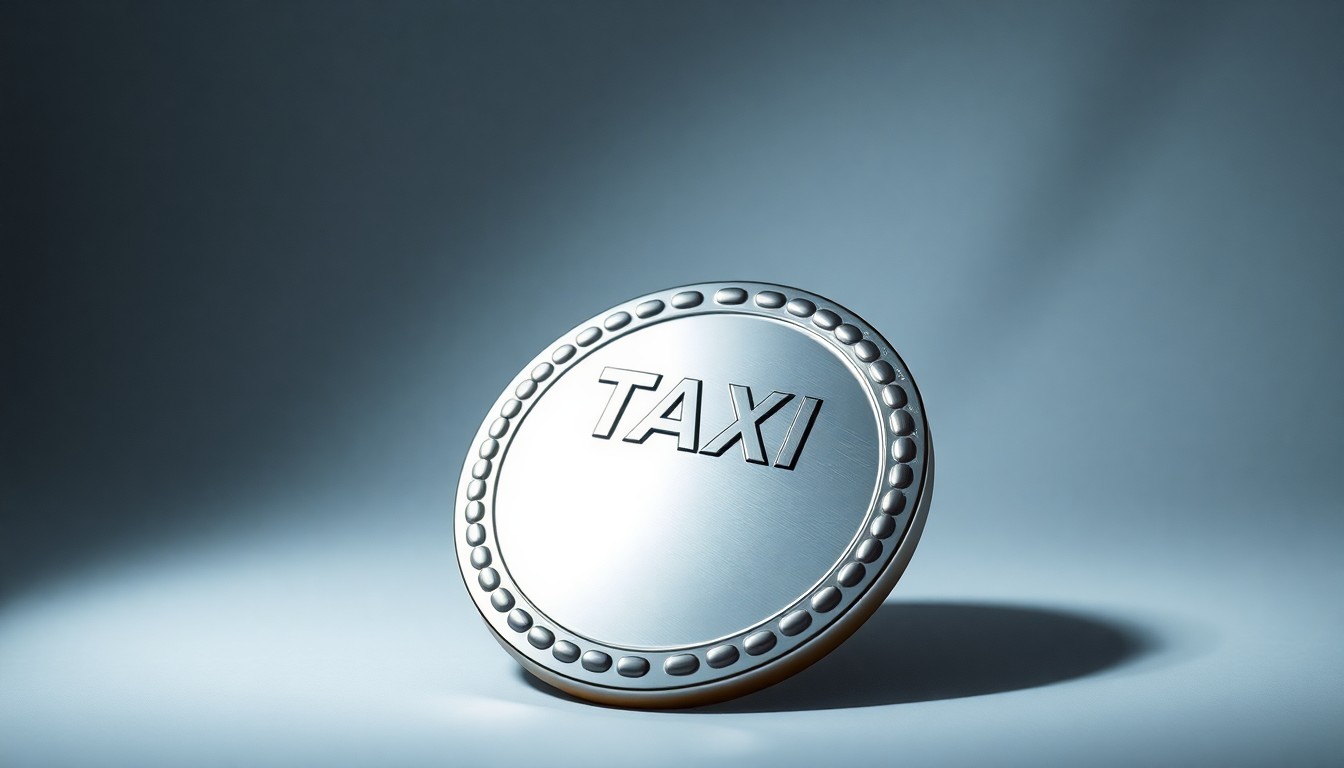 A taxi medallion, once a valuable asset for Chicago cabbies, now symbolizes the industry's struggle to adapt to the rise of ride-hailing services.Chicago Today
Chicago's taxi drivers have mixed feelings about the city's first cab fare increase in a decade, which aims to help the struggling industry compete with Uber and Lyft. While some drivers say the 20% hike will provide much-needed extra income, others worry it could discourage customers from choosing taxis over cheaper ride-hailing options.
Why it matters
The taxi industry in Chicago has been in decline for years, facing stiff competition from app-based ride-hailing services that are largely unregulated compared to traditional cabs. This fare increase is an attempt by the city to prop up the struggling taxi business, but it remains to be seen whether it will be enough to turn the tide.
The details
The new fare structure includes a 20% increase in the base rate, as well as higher charges for additional miles and time. There will also be new fees for rush hour and overnight rides, as well as a doubled charge for cleaning up after unruly passengers. Some drivers say the increase is long overdue, while others worry it will push more customers toward cheaper ride-hailing apps.
- The City Council agreed to the fare hike on Wednesday, April 16, 2026.
- The new rates will go into effect immediately.
The players
Fatai Bello
A 39-year-old Chicago cab driver who says the fare hike will help drivers but could also discourage customers from choosing taxis over ride-hailing apps.
Graham Jones
A 29-year-old Ravenswood resident who says he has recently started using taxis again when they are cheaper than Uber, but will choose the cheaper option regardless of the fare increase.
Alix Alexandre
A 73-year-old part-time cab driver who says the taxi industry is a "dying business" and that he relies heavily on the city's Taxi Access Program to make money.
Bernard Adu Boahene
A 59-year-old Lakeview resident who has been driving cabs for nearly 20 years and says the fare increase was long overdue.
Mayor Brandon Johnson
The mayor of Chicago who introduced the taxi fare hike last fall in an effort to help the struggling industry.
What they’re saying
“Basically, it is going to help us and at the same time it is going to hurt us. It's going to help us because there's going to be more money for us.”
— Fatai Bello, Chicago cab driver
“We have a lot of competition. So, if the customer looks at the cab [and] that the price is going to be more, they'll look at their app, they check for the one that is lower and go with the one that is lower.”
— Fatai Bello, Chicago cab driver
“I'm just trying to find the cheapest option, generally, to get where I'm going.”
— Graham Jones, Ravenswood resident
“Otherwise, on the street we're not making any money. On weekends, we make no money. I'll go by the museums — it's all Uber. if it wasn't for the TAP program… I wouldn't be making any money because I don't have that strength to go spend one hour to the airport, wait for two hours and then another hour [going back]. Business is not like it used to be.”
— Alix Alexandre, Part-time cab driver
“No matter where you are working, if you get rich by 20% [more], I think you'd be happy, right? Me too.”
— Bernard Adu Boahene, Cab driver of nearly 20 years
What’s next
The city will monitor the impact of the fare hike on taxi ridership and the overall competitiveness of the industry compared to ride-hailing services. Adjustments to the new rates may be considered if the increase has unintended negative consequences.
The takeaway
This fare hike is a last-ditch effort by the city of Chicago to save its struggling taxi industry, which has been decimated by the rise of app-based ride-hailing. While some drivers welcome the extra income, others worry it will only accelerate the industry's decline by driving more customers to cheaper alternatives. The long-term viability of traditional taxis in the face of disruptive new technologies remains an open question.
Chicago top stories



Chicago events
Apr. 17, 2026
Hamilton (Chicago)
Apr. 17, 2026
Stuff You Should Know Live
Apr. 17, 2026
The Merry Wives of Windsor