- Today
- Holidays
- Birthdays
- Reminders
- Cities
- Atlanta
- Austin
- Baltimore
- Berwyn
- Beverly Hills
- Birmingham
- Boston
- Brooklyn
- Buffalo
- Charlotte
- Chicago
- Cincinnati
- Cleveland
- Columbus
- Dallas
- Denver
- Detroit
- Fort Worth
- Houston
- Indianapolis
- Knoxville
- Las Vegas
- Los Angeles
- Louisville
- Madison
- Memphis
- Miami
- Milwaukee
- Minneapolis
- Nashville
- New Orleans
- New York
- Omaha
- Orlando
- Philadelphia
- Phoenix
- Pittsburgh
- Portland
- Raleigh
- Richmond
- Rutherford
- Sacramento
- Salt Lake City
- San Antonio
- San Diego
- San Francisco
- San Jose
- Seattle
- Tampa
- Tucson
- Washington
United Airlines Raises Bag Fees Amid Middle East Conflict
How geopolitical tensions are impacting airline economics and passenger experience
Apr. 13, 2026 at 12:58am
Got story updates? Submit your updates here. ›
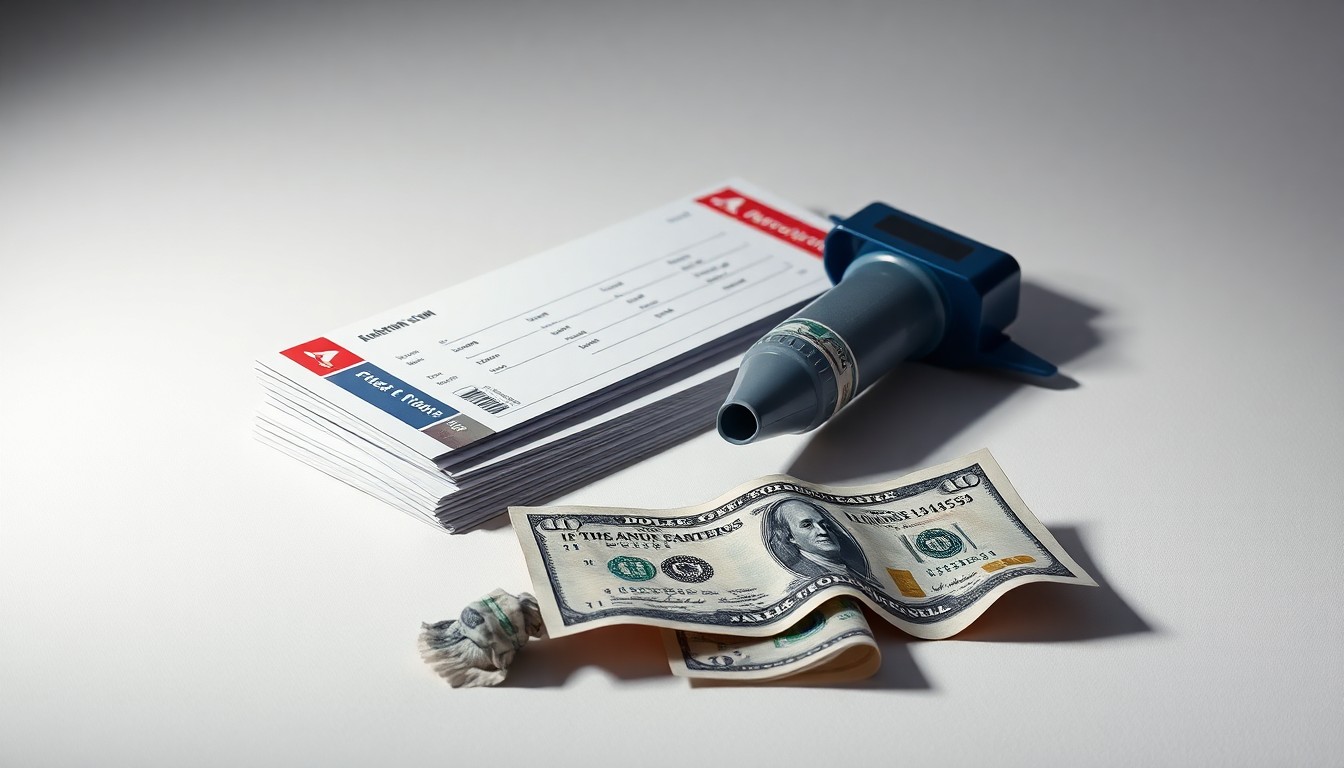 The rising cost of jet fuel, driven by global conflicts, forces airlines to adjust their pricing models and extract more revenue from ancillary fees.Chicago Today
United Airlines has announced an increase in its first checked bag fee to $45 within North America, with a second bag costing $55. This move, mirrored by JetBlue, is presented as a response to soaring jet fuel costs driven by the ongoing conflict in the Middle East. However, this reveals a broader strategic play by airlines to lean on ancillary revenue and flexible pricing to weather volatility in an industry sensitive to fuel, labor, and global geopolitics.
Why it matters
The fuel-cost dynamic is a reminder that the airline industry is a bet on global stability. When the world gets noisier—conflicts, sanctions, supply-chain frictions—carriers hedge by charging for things customers previously assumed were included. This exposes how fragile airline economics can be and how airlines are adapting their pricing playbook to preserve base fares while extracting more value from optional services.
The details
United's new premium seat pricing scheme takes a 'pay for what you want' approach, offering three tiers with varying perks. This is less about deconstructing value and more about tokenizing it, allowing price-sensitive travelers to access the service at a lower entry point. Airlines know that in crowded markets, visible fare wars hurt perception, so this layered premium experience claims to offer choice without eroding the perceived value of the basic product.
- United announced the bag fee increase on April 13, 2026.
- JetBlue followed suit with similar bag fee increases earlier in the week.
The players
United Airlines
A major U.S. airline that has announced an increase in its first checked bag fee to $45 within North America, with a second bag costing $55.
JetBlue
A U.S. airline that has also increased its peak-travel bag fees, following United's lead.
What’s next
Airlines will continue to monitor fuel prices and global geopolitical developments, adjusting their pricing and fee structures accordingly to maintain profitability and competitiveness.
The takeaway
The rising bag fees and changes to premium seat pricing at United and JetBlue reflect a broader industry trend of airlines leveraging ancillary revenue and flexible pricing to weather volatility in an industry sensitive to factors like fuel costs and global conflicts. This exposes the fragility of airline economics and the industry's reliance on predictability and stability.
Chicago top stories



Chicago events

Apr. 13, 2026
Chicago Blackhawks vs. Buffalo Sabres
Apr. 13, 2026
Hatsune Miku
Apr. 13, 2026
The Best of The Second City