- Today
- Holidays
- Birthdays
- Reminders
- Cities
- Atlanta
- Austin
- Baltimore
- Berwyn
- Beverly Hills
- Birmingham
- Boston
- Brooklyn
- Buffalo
- Charlotte
- Chicago
- Cincinnati
- Cleveland
- Columbus
- Dallas
- Denver
- Detroit
- Fort Worth
- Houston
- Indianapolis
- Knoxville
- Las Vegas
- Los Angeles
- Louisville
- Madison
- Memphis
- Miami
- Milwaukee
- Minneapolis
- Nashville
- New Orleans
- New York
- Omaha
- Orlando
- Philadelphia
- Phoenix
- Pittsburgh
- Portland
- Raleigh
- Richmond
- Rutherford
- Sacramento
- Salt Lake City
- San Antonio
- San Diego
- San Francisco
- San Jose
- Seattle
- Tampa
- Tucson
- Washington
Cultivated Flowers Can Still Attract Pollinators, Northwestern Study Finds
Research challenges notion that only native plants can support bees, butterflies in home gardens
Apr. 13, 2026 at 11:57am
Got story updates? Submit your updates here. ›
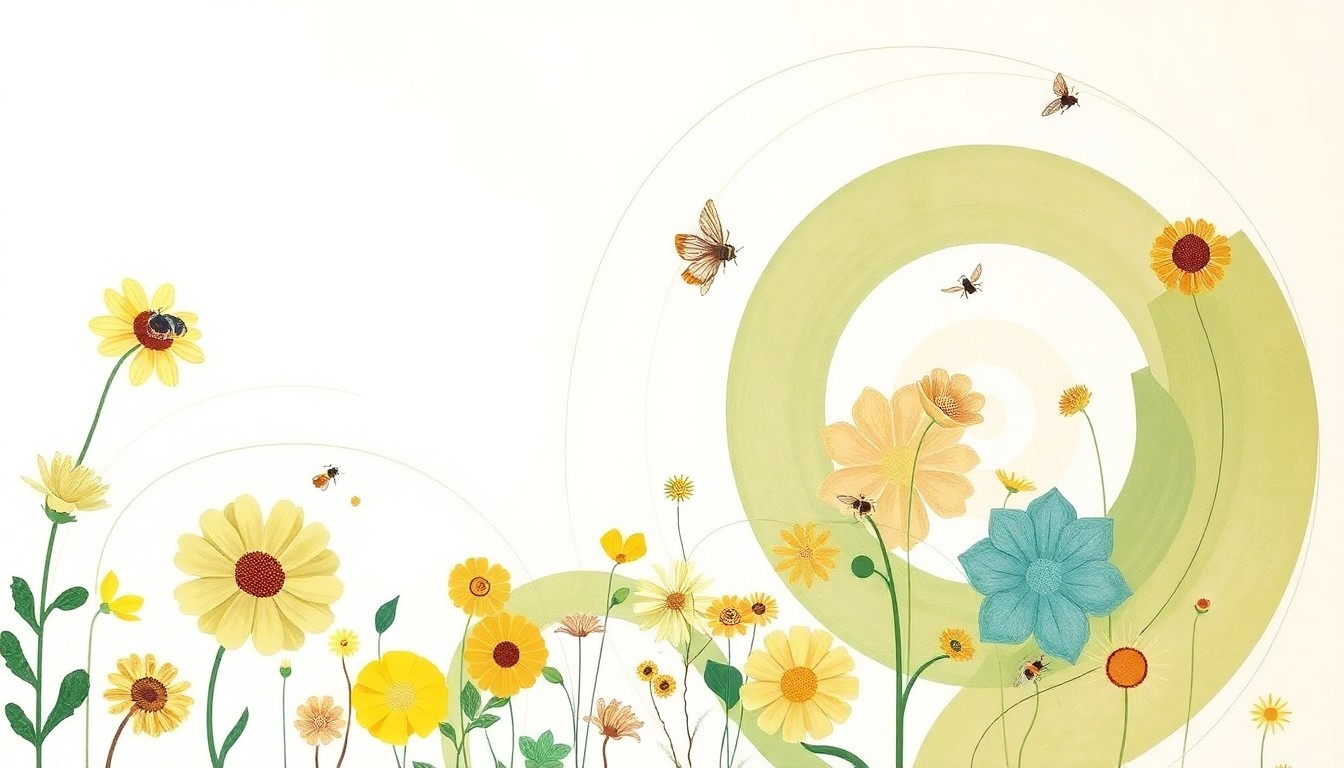 A conceptual illustration of the delicate ecological dance between cultivated garden flowers and the pollinators they support, challenging the notion that only native plants can be pollinator-friendly.Chicago Today
A new study from Northwestern University and the Chicago Botanic Garden has found that some cultivated garden flowers can be just as effective at attracting pollinators like bees and butterflies as their wild counterparts. The research challenges the common belief that only native plants are suitable for pollinator-friendly landscaping.
Why it matters
As concerns over declining pollinator populations have grown, many gardeners have focused on planting native wildflowers to support bees, butterflies, and other insects. However, this study suggests that cultivated flowers with aesthetic appeal can also play an important role in providing nectar and pollen sources for pollinators, potentially making it easier for homeowners to create pollinator-friendly gardens.
The details
The study, published in the journal Ecosphere, tested several plant species and found that the cultivated black-eyed Susan (Rudbeckia fulgida "Goldsturm") and the foxglove beardtongue (Penstemon digitalis "Husker Red") attracted pollinators at similar rates to their wild counterparts. Other cultivated plants, such as R. fulgida "American Gold Rush" and P. digitalis "Blackbeard," were not as useful in attracting pollinators.
- The study was published last week by researchers from Northwestern University and the Chicago Botanic Garden.
- The research was conducted over a two-year period, with observations of pollinator visits to both native and cultivated plant species.
The players
Nicholas Dorian
The lead author of the study and a researcher at the Chicago Botanic Garden.
Northwestern University
The institution where the study was conducted by plant biologists.
Chicago Botanic Garden
A research institution that collaborated with Northwestern University on the study.
What they’re saying
“Our findings emphasize that ecological value and aesthetics don't have to be at odds with each other. There are many people who might be interested in getting involved in the pollinator gardening movement but feel intimidated. Turning a garden or front yard into a wild space can feel daunting. A key takeaway from our study is that cultivated plants with aesthetic appeal can still bring pollinators into your yard and may be a really nice gateway for people who are on the fence or don't have time or resources to seek out wildtype plants.”
— Nicholas Dorian, Lead author of the study
What’s next
Researchers plan to continue studying the relationships between cultivated plants, native plants, and pollinator populations to provide more guidance for homeowners and gardeners looking to create pollinator-friendly landscapes.
The takeaway
This study suggests that gardeners don't have to sacrifice aesthetics in order to support pollinators. By carefully selecting a mix of cultivated and native plants, homeowners can create beautiful, pollinator-friendly gardens that attract bees, butterflies, and other important insects.
Chicago top stories


Chicago events
Apr. 13, 2026
Chicago Blackhawks vs. Buffalo Sabres
Apr. 13, 2026
Hatsune Miku
Apr. 13, 2026
The Best of The Second City