- Today
- Holidays
- Birthdays
- Reminders
- Cities
- Atlanta
- Austin
- Baltimore
- Berwyn
- Beverly Hills
- Birmingham
- Boston
- Brooklyn
- Buffalo
- Charlotte
- Chicago
- Cincinnati
- Cleveland
- Columbus
- Dallas
- Denver
- Detroit
- Fort Worth
- Houston
- Indianapolis
- Knoxville
- Las Vegas
- Los Angeles
- Louisville
- Madison
- Memphis
- Miami
- Milwaukee
- Minneapolis
- Nashville
- New Orleans
- New York
- Omaha
- Orlando
- Philadelphia
- Phoenix
- Pittsburgh
- Portland
- Raleigh
- Richmond
- Rutherford
- Sacramento
- Salt Lake City
- San Antonio
- San Diego
- San Francisco
- San Jose
- Seattle
- Tampa
- Tucson
- Washington
Illinois Justices Claim Immunity from Lawsuit Over Rights Violation
State's highest court says it answers to no one in dispute over alleged constitutional breach.
Apr. 12, 2026 at 4:51pm
Got story updates? Submit your updates here. ›
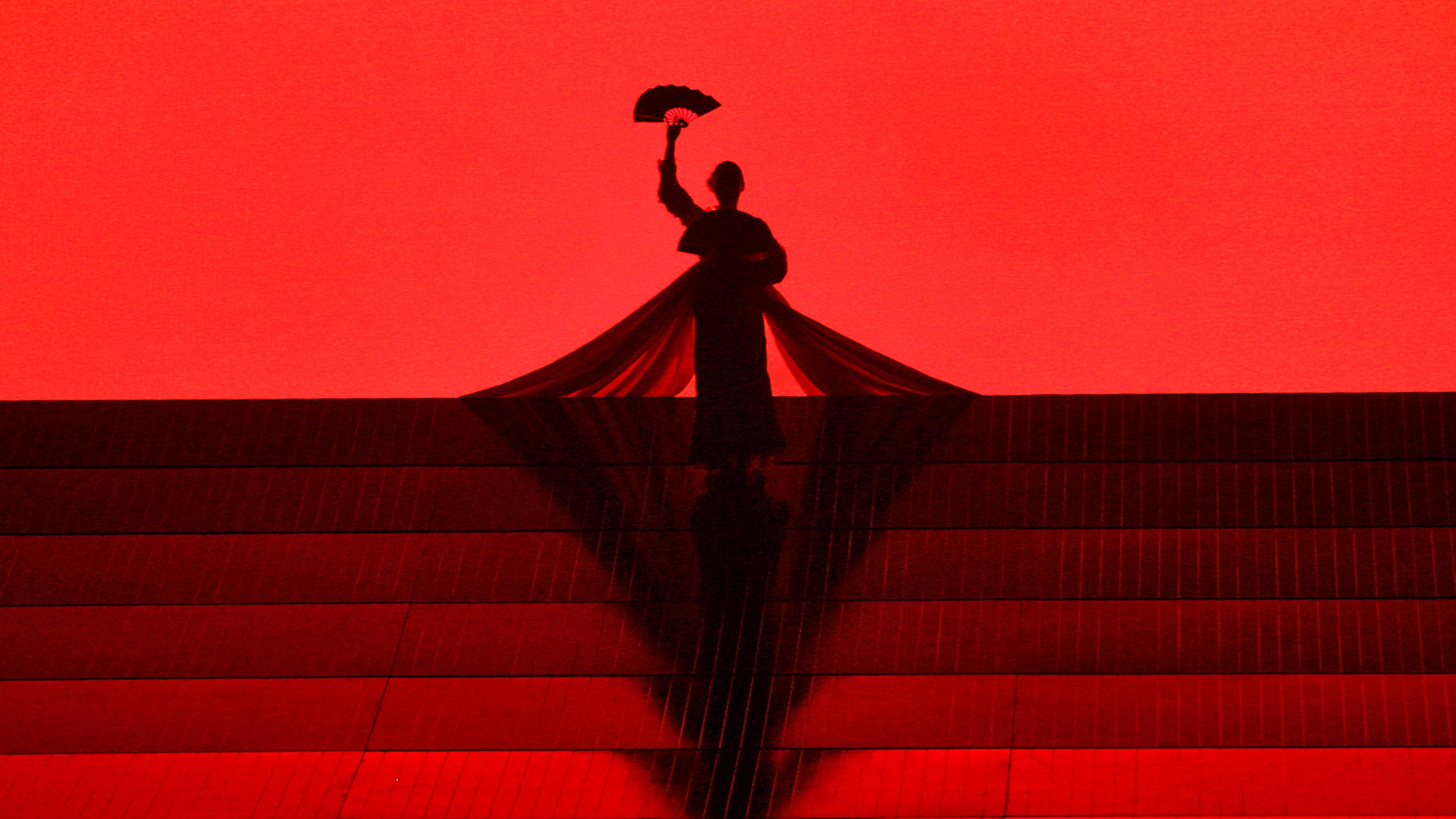
 A fractured, abstract painting captures the dysfunction and lack of transparency within Illinois' highest court.Chicago Today
A lawsuit filed by one Illinois Supreme Court justice against seven of his colleagues has sparked a legal battle over the court's claim of absolute immunity from being sued for alleged constitutional violations. The case raises questions about the balance of power and oversight of the state's highest judicial body.
Why it matters
This case highlights the ongoing debate over the independence and accountability of state supreme courts, particularly when it comes to potential violations of individual rights. It also speaks to broader concerns about the separation of powers and checks on judicial authority.
The details
The lawsuit was filed by Illinois Supreme Court Justice Karla Fry against seven of her fellow justices, alleging they violated her constitutional rights by stripping her of certain administrative duties. The justices being sued have argued that as members of the state's highest court, they are immune from such lawsuits and answer to no one.
- The lawsuit was filed in April 2026.
The players
Karla Fry
An Illinois Supreme Court justice who filed a lawsuit against seven of her colleagues, alleging a violation of her constitutional rights.
Illinois Supreme Court
The state's highest judicial body, which is at the center of the dispute over its claimed immunity from lawsuits.
What’s next
The case is ongoing, and it remains to be seen whether the Illinois Supreme Court's claim of absolute immunity will be upheld.
The takeaway
This dispute raises fundamental questions about the balance of power and the ability to hold state supreme courts accountable for potential violations of individual rights, underscoring the need for robust checks and balances within the judicial system.