- Today
- Holidays
- Birthdays
- Reminders
- Cities
- Atlanta
- Austin
- Baltimore
- Berwyn
- Beverly Hills
- Birmingham
- Boston
- Brooklyn
- Buffalo
- Charlotte
- Chicago
- Cincinnati
- Cleveland
- Columbus
- Dallas
- Denver
- Detroit
- Fort Worth
- Houston
- Indianapolis
- Knoxville
- Las Vegas
- Los Angeles
- Louisville
- Madison
- Memphis
- Miami
- Milwaukee
- Minneapolis
- Nashville
- New Orleans
- New York
- Omaha
- Orlando
- Philadelphia
- Phoenix
- Pittsburgh
- Portland
- Raleigh
- Richmond
- Rutherford
- Sacramento
- Salt Lake City
- San Antonio
- San Diego
- San Francisco
- San Jose
- Seattle
- Tampa
- Tucson
- Washington
Gene Therapy Breakthrough Offers Hope for Epilepsy Patients
Clinical trials show promising results for treating Dravet syndrome, a severe form of epilepsy.
Apr. 12, 2026 at 3:54pm
Got story updates? Submit your updates here. ›
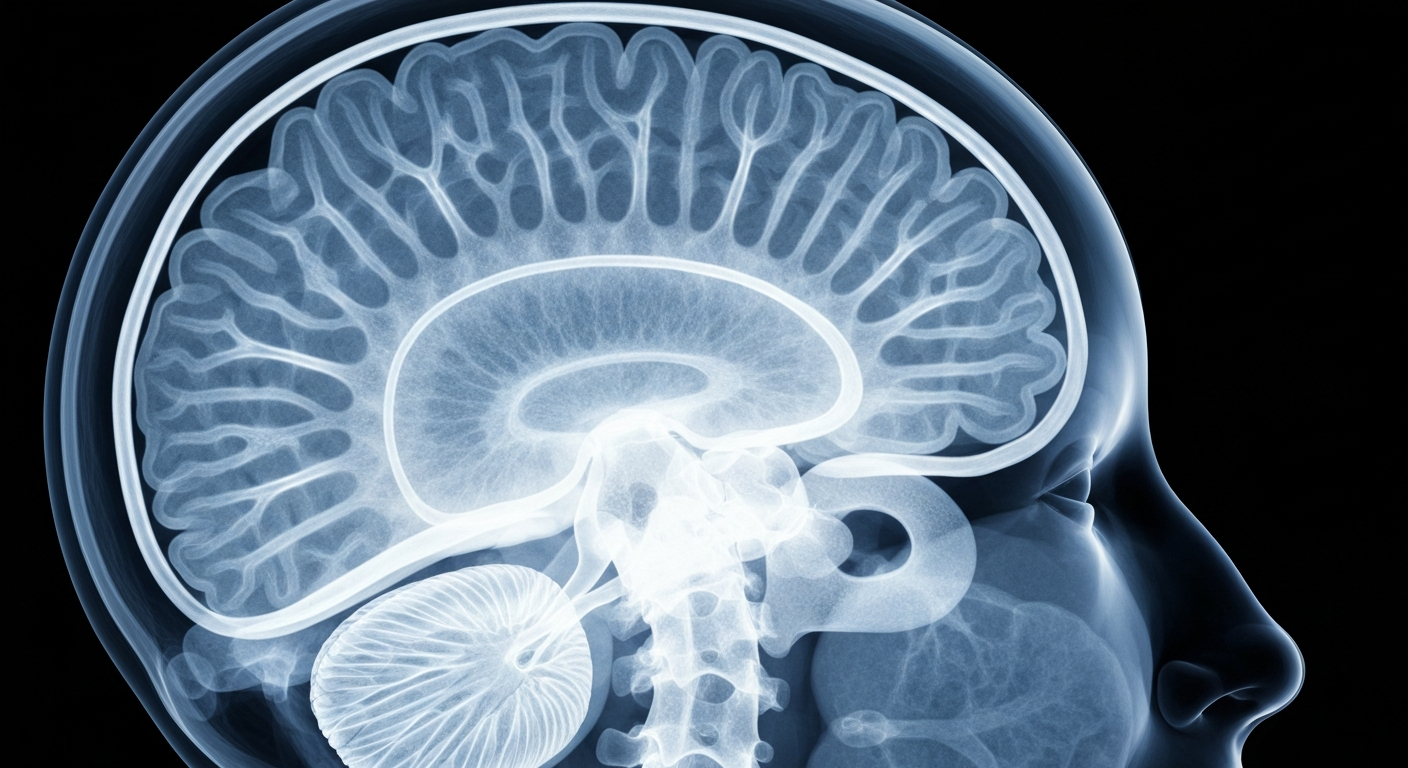 Groundbreaking gene therapy targets the root cause of severe epilepsy, offering new hope for patients and families.Chicago Today
A groundbreaking gene regulation treatment developed by Dr. Linda Laux at Ann & Robert H. Lurie Children's Hospital of Chicago has demonstrated significant reductions in seizures and improvements in developmental and cognitive symptoms for patients with Dravet syndrome, a severe form of epilepsy. The treatment targets the root cause of the condition by enhancing the function of the normal SCN1A gene to compensate for the mutated gene.
Why it matters
Dravet syndrome is a devastating condition that emerges in infancy, causing a spectrum of challenging symptoms including cognitive deficits, communication and behavioral impairments, motor dysfunction, growth delays, and autistic traits. This gene therapy breakthrough offers hope for dramatically improving the quality of life for those affected by this debilitating form of epilepsy.
The details
The Phase 1/2a clinical trials enrolled 81 patients with Dravet syndrome aged 2-18 years who were on standard antiseizure medications. Patients who received two to three doses of 70 mg zorevunersen experienced an 85% reduction in motor seizures at three months and 73% at six months post-dosing. Patients who transitioned to the open-label extension studies, receiving 45 mg of zorevunersen every four months, continued to show significant seizure reduction ranging from 58% to 90% over the first 20 months. Patients in the extension studies for more than 36 months also showed significant improvements in expressive and receptive communication skills.
- The Phase 1/2a clinical trials were published in the New England Journal of Medicine in April 2026.
- A Phase 3, double-blind, placebo-controlled trial of zorevunersen for Dravet syndrome is currently underway.
The players
Dr. Linda Laux
A renowned expert from Ann & Robert H. Lurie Children's Hospital of Chicago who led the clinical trials of the gene regulation treatment for Dravet syndrome.
Owen
A 12-year-old boy with Dravet syndrome who participated in the clinical trial and is now continuing in the open-label extension study. His seizures have significantly reduced and he has shown marked improvements in language and behavior.
Austin
Owen's mother, who shared that his quality of life has improved so much that he can now enjoy activities with neurotypical peers.
Ann & Robert H. Lurie Children's Hospital of Chicago
A nonprofit organization dedicated to providing exceptional care to every child and one of less than 35 independent, research-driven children's hospitals nationally.
Stoke Therapeutics
The company that provided the funding for the clinical trials of the gene regulation treatment.
What they’re saying
“He is able to make friends, which is a new and wonderful development. His quality of life has improved so much that he can now enjoy activities with neurotypical peers.”
— Austin, Owen's mother
“Our data support the safety and tolerability of zorevunersen, as well as improvements in overall clinical status, quality of life, and adaptive behavior following continued dosing in the extension studies.”
— Dr. Linda Laux, Renowned expert from Ann & Robert H. Lurie Children's Hospital of Chicago
What’s next
A Phase 3, double-blind, placebo-controlled trial of zorevunersen for Dravet syndrome is currently underway, further solidifying the potential of this groundbreaking treatment.
The takeaway
This gene therapy breakthrough offers hope for dramatically improving the quality of life for those affected by the devastating Dravet syndrome, a severe form of epilepsy. The significant reductions in seizures and improvements in developmental and cognitive symptoms demonstrated in the clinical trials could be life-changing for patients and their families.