- Today
- Holidays
- Birthdays
- Reminders
- Cities
- Atlanta
- Austin
- Baltimore
- Berwyn
- Beverly Hills
- Birmingham
- Boston
- Brooklyn
- Buffalo
- Charlotte
- Chicago
- Cincinnati
- Cleveland
- Columbus
- Dallas
- Denver
- Detroit
- Fort Worth
- Houston
- Indianapolis
- Knoxville
- Las Vegas
- Los Angeles
- Louisville
- Madison
- Memphis
- Miami
- Milwaukee
- Minneapolis
- Nashville
- New Orleans
- New York
- Omaha
- Orlando
- Philadelphia
- Phoenix
- Pittsburgh
- Portland
- Raleigh
- Richmond
- Rutherford
- Sacramento
- Salt Lake City
- San Antonio
- San Diego
- San Francisco
- San Jose
- Seattle
- Tampa
- Tucson
- Washington
Doctors Warn 'Buffalo Hump' Can Signal Underlying Health Issues
Experts say the fatty bulge at the base of the neck may indicate conditions like Cushing's syndrome or side effects from long-term medication use.
Apr. 12, 2026 at 11:22pm
Got story updates? Submit your updates here. ›
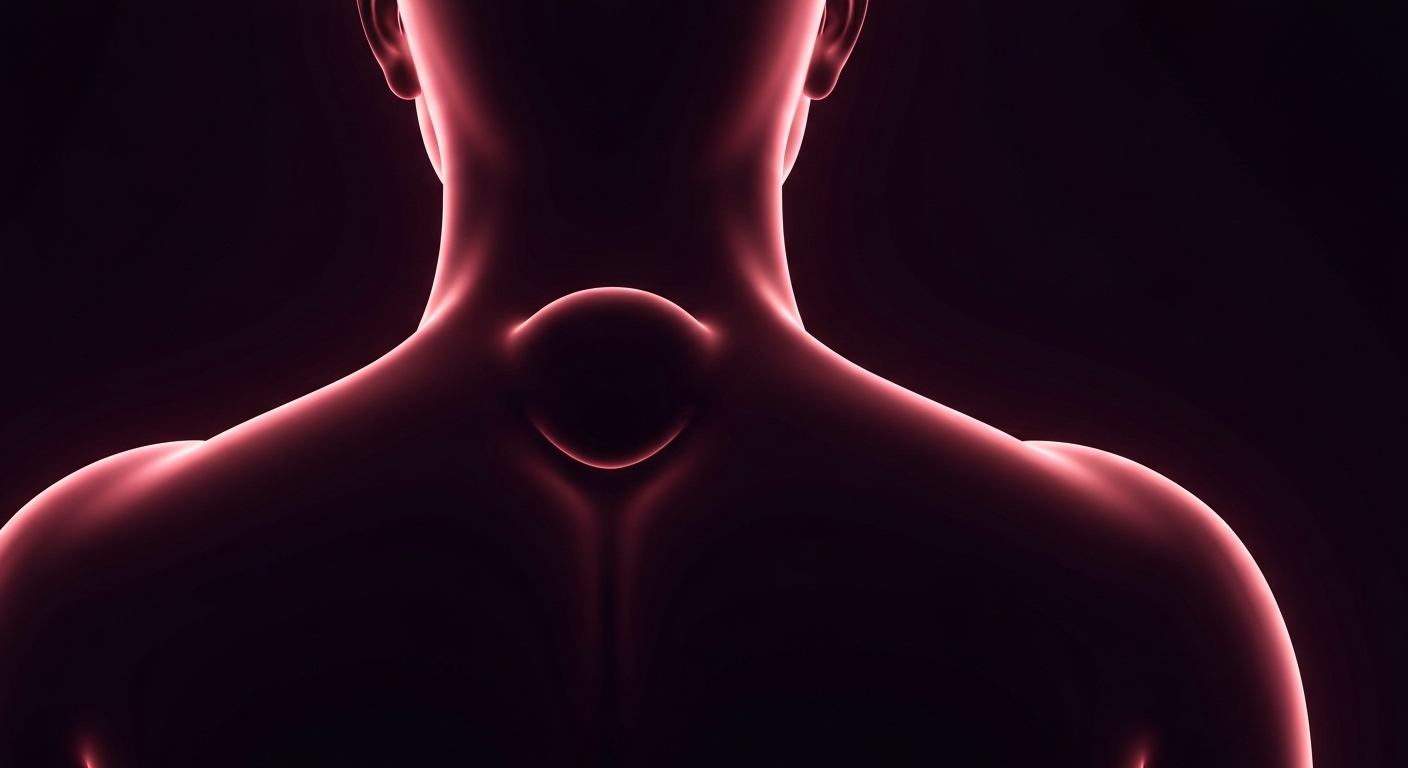 A neon-outlined illustration of a 'buffalo hump' highlights how this fatty bulge can signal underlying health issues beyond just appearance.Chicago Today
A 'buffalo hump,' or fatty bulge at the base of the neck, is not just a cosmetic concern, as experts warn it can sometimes signal an underlying medical condition. Factors like obesity, poor posture, and long-term medication use can contribute to the development of a buffalo hump. While it's often confused with a posture-related 'dowager's hump,' a true buffalo hump will feel soft and fatty. Doctors advise seeking medical evaluation if the hump appears suddenly, continues to grow, or is accompanied by other symptoms like fatigue, muscle weakness, or hormonal changes, as it could indicate issues like Cushing's syndrome or side effects from certain medications.
Why it matters
As more Americans struggle with obesity, chronic conditions, and poor posture, the prevalence of buffalo humps is on the rise. While the hump itself is not usually dangerous, underlying conditions that contribute to it can lead to more serious health problems if left untreated. Identifying the root cause early is crucial to ensuring the right treatment path is taken.
The details
A buffalo hump is a fullness or fatty bulge at the base of the neck or upper back area. It can be caused by a variety of factors, including weight, posture, and certain medications. Posture alone can make a hump appear more pronounced, even without excess fat. However, the condition is often linked to weight and can also be associated with medical issues like Cushing's syndrome or long-term steroid use. Elevated cortisol levels, which can stem from stress, can also lead to fat deposits in the neck and upper back. Some HIV treatments have also been known to contribute to buffalo humps.
- Experts say the prevalence of buffalo humps has been increasing as more Americans struggle with obesity and chronic conditions.
The players
Dr. Dahlia Rice
A Chicago-based plastic surgeon and founder of DMR Aesthetics.
Dr. Rachel Mason
A Las Vegas-based plastic surgeon and founder of La Femme Plastic Surgery.
What they’re saying
“A buffalo hump is a fullness at the base of the neck or upper back area.”
— Dr. Dahlia Rice, Plastic Surgeon
“In some cases, it can be associated with medical conditions like Cushing's syndrome or long-term use of steroids.”
— Dr. Rachel Mason, Plastic Surgeon
What’s next
If the buffalo hump appears suddenly, continues to grow, or is accompanied by other symptoms like fatigue, muscle weakness, or hormonal changes, doctors recommend seeking medical evaluation to determine the underlying cause and appropriate treatment.
The takeaway
While a buffalo hump may seem like just a cosmetic issue, it can actually signal more serious underlying health conditions. Identifying the root cause early is crucial to ensuring the right treatment path is taken and preventing potential complications from untreated issues.