- Today
- Holidays
- Birthdays
- Reminders
- Cities
- Atlanta
- Austin
- Baltimore
- Berwyn
- Beverly Hills
- Birmingham
- Boston
- Brooklyn
- Buffalo
- Charlotte
- Chicago
- Cincinnati
- Cleveland
- Columbus
- Dallas
- Denver
- Detroit
- Fort Worth
- Houston
- Indianapolis
- Knoxville
- Las Vegas
- Los Angeles
- Louisville
- Madison
- Memphis
- Miami
- Milwaukee
- Minneapolis
- Nashville
- New Orleans
- New York
- Omaha
- Orlando
- Philadelphia
- Phoenix
- Pittsburgh
- Portland
- Raleigh
- Richmond
- Rutherford
- Sacramento
- Salt Lake City
- San Antonio
- San Diego
- San Francisco
- San Jose
- Seattle
- Tampa
- Tucson
- Washington
Max Verstappen's Frustration: The Future of F1 Racing (2026)
A rollercoaster season is already in motion, and Verstappen's latest comments lay bare a core tension in Formula 1: the sport's evolving machinery may be outpacing the human engine behind the wheel.
Apr. 11, 2026 at 6:11am
Got story updates? Submit your updates here. ›
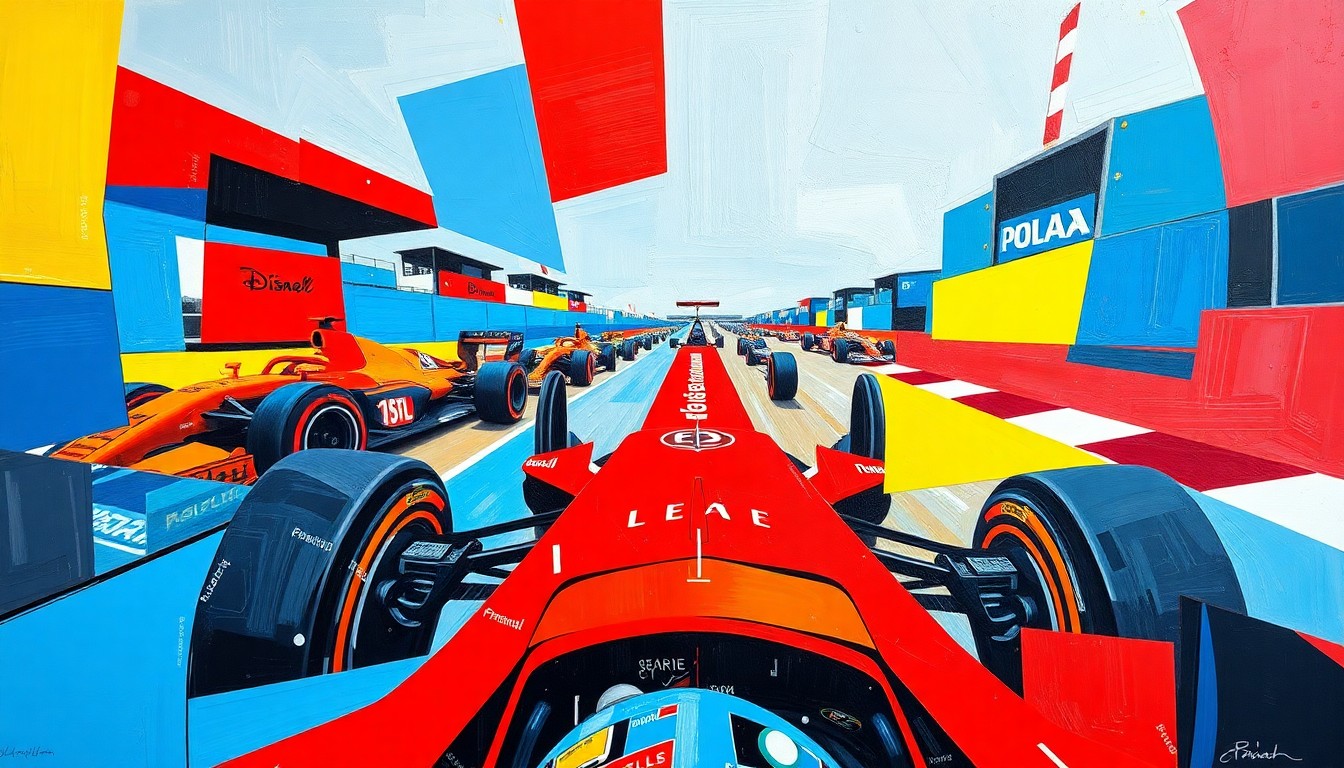 As Formula 1 navigates the tension between engineering prowess and human skill, the sport's evolving machinery threatens to outpace the drivers' ability to push the limits.Chicago Today
A rollercoaster season is already in motion, and Verstappen's latest comments lay bare a core tension in Formula 1: the sport's evolving machinery may be outpacing the human engine behind the wheel. Verstappen's critique hits at a broader question: can a sport sustain drama when the hardware itself dictates the degree of true challenge?
Why it matters
Verstappen's comments reveal a deeper anxiety about driving as a pure test of skill in an era of engineered advantage. This raises questions about whether F1 can preserve the essence of racing - its demand for bravery and exacting control - while delivering the efficiency and spectacle modern audiences expect.
The details
The heart of Verstappen's critique is that the energy-regeneration systems and 'overtake' modes blunt the raw edge of acceleration, especially on long straights that used to punish mistakes without mercy. This exposes the double-edged nature of F1's modernization, as the energy-management rules are designed to promote efficiency and strategic depth, but erode the traditional feel of a car being driven to the edge.
- The extended five-week break offers a rare opportunity for teams to recalibrate the human element - fitness, mental resilience, and workflow - without compromising the engineering ambition.
- The Japan Grand Prix incident involving Oliver Bearman highlighted the fragility of current energy strategies, underscoring the risks when machines are tuned to chase milliseconds.
The players
Max Verstappen
A Formula 1 driver who has expressed frustration with the sport's evolving machinery and its impact on the pure test of driving skill.
Oliver Bearman
A Formula 1 driver involved in an incident at the Japan Grand Prix that exposed the fragility of current energy strategies in the sport.
Toto Wolff
The team principal of Mercedes, who has taken a pragmatic approach to the current title fight, acknowledging the competitive landscape and letting the best driver emerge.
What they’re saying
“The energy-management rules are designed to promote efficiency and strategic depth, but they erode the traditional feel of a car being driven to the edge.”
— Max Verstappen, Formula 1 Driver
“The fault lines aren't only about car speed or reach of energy recovery; they're about the reliability of safety margins when machines are tuned to chase milliseconds.”
— Author
What’s next
The judge in the case will decide on Tuesday whether or not to allow Walker Reed Quinn out on bail.
The takeaway
The future of Formula 1 racing will test whether the sport can preserve the essence of racing - its demand for bravery and exacting control - while delivering the efficiency and spectacle modern audiences expect. The next regulatory iteration must tighten the feedback loop between faster decisions, better simulations, and a clearer safety standard without sacrificing the soul of racing.
Chicago top stories

Chicago events

Apr. 13, 2026
Chicago Blackhawks vs. Buffalo Sabres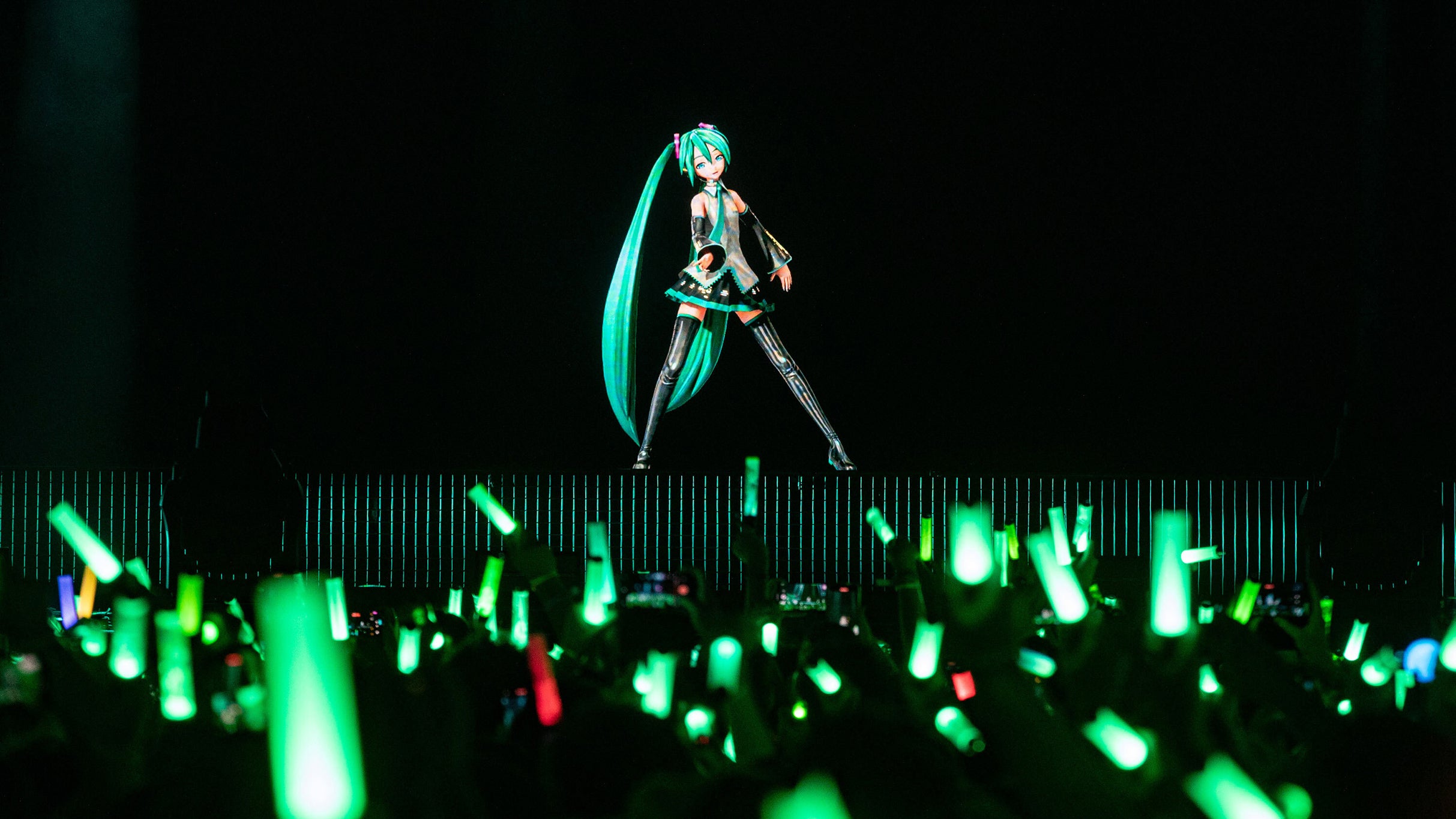
Apr. 13, 2026
Hatsune Miku
Apr. 13, 2026
The Best of The Second City