- Today
- Holidays
- Birthdays
- Reminders
- Cities
- Atlanta
- Austin
- Baltimore
- Berwyn
- Beverly Hills
- Birmingham
- Boston
- Brooklyn
- Buffalo
- Charlotte
- Chicago
- Cincinnati
- Cleveland
- Columbus
- Dallas
- Denver
- Detroit
- Fort Worth
- Houston
- Indianapolis
- Knoxville
- Las Vegas
- Los Angeles
- Louisville
- Madison
- Memphis
- Miami
- Milwaukee
- Minneapolis
- Nashville
- New Orleans
- New York
- Omaha
- Orlando
- Philadelphia
- Phoenix
- Pittsburgh
- Portland
- Raleigh
- Richmond
- Rutherford
- Sacramento
- Salt Lake City
- San Antonio
- San Diego
- San Francisco
- San Jose
- Seattle
- Tampa
- Tucson
- Washington
Formula 1's Startline Safety Concerns: A Grim Warning
The sport's quest for speed exposes a fundamental mismatch between human reaction times and track geometry
Apr. 11, 2026 at 7:09am
Got story updates? Submit your updates here. ›
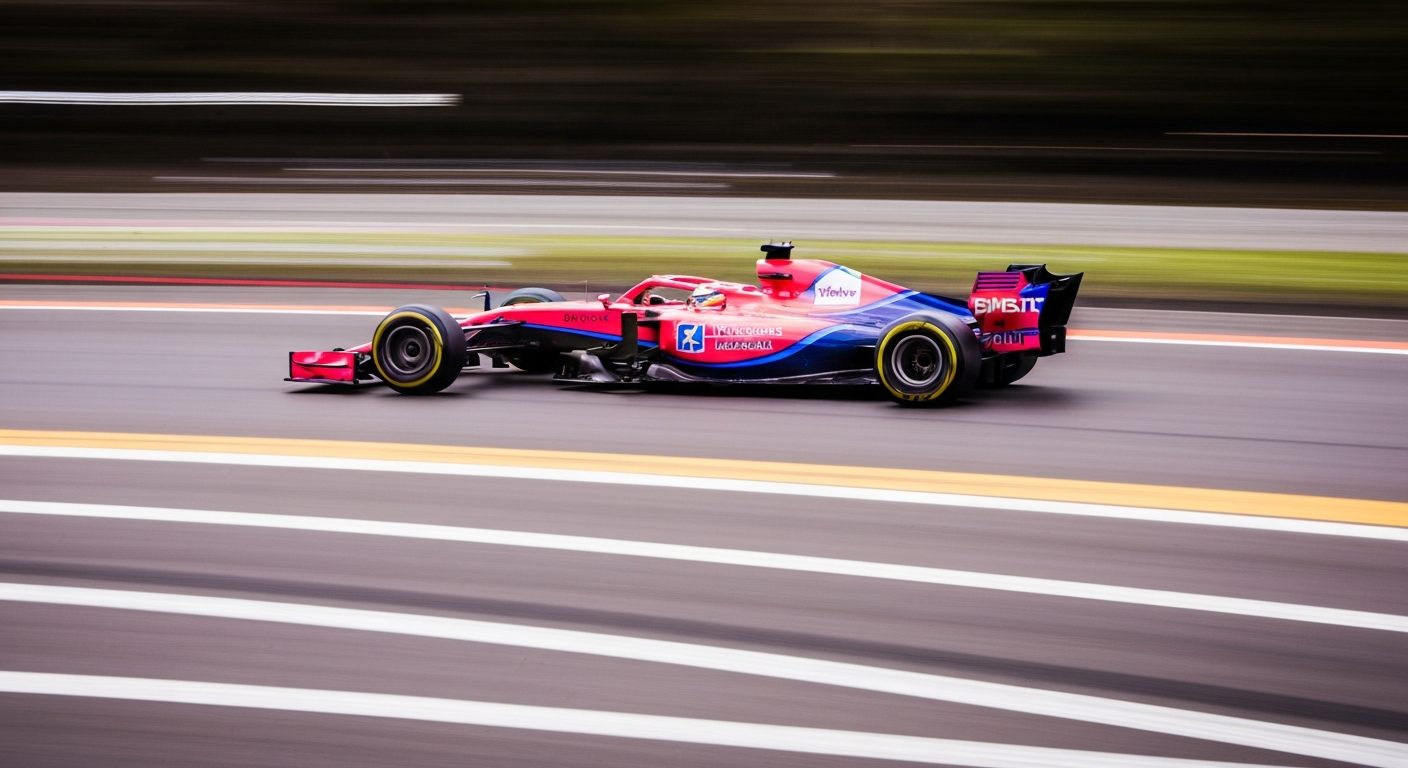 The startline of a Formula 1 race is a microcosm of the sport's larger struggle to preserve thrilling speed without normalizing near-disaster.Chicago Today
The article explores the safety paradox in Formula 1 racing, where the push for faster starts and higher speeds has created new risks and challenges. It examines how technical changes aimed at boosting performance can also introduce unseen vulnerabilities, leading to potential chain-reaction crashes that endanger drivers, teams, and spectators. The piece delves into the cultural, economic, and psychological factors shaping the sport's approach to balancing spectacle and safety, and calls for a more holistic, design-centric view of how to preserve the thrill of F1 racing while prioritizing resilience under pressure.
Why it matters
This story highlights the complex tradeoffs Formula 1 faces as it seeks to evolve the sport, with safety concerns often clashing with the desire for ever-greater speed and spectacle. It raises important questions about the sport's priorities, the role of technology, and whether the current culture is adequately prepared to manage the risks inherent in high-velocity motorsports.
The details
The article discusses how the latest rule changes, designed to give turbo-powered cars more time to spool up at the start, have exposed a fundamental mismatch between energy output and human reaction times. This creates new blind spots and potential for pileups, as teams and drivers struggle to adapt to the altered start procedure. The piece also examines incidents in other racing series, like the Porsche Carrera Cup Asia, to illustrate that start-line chaos is a universal challenge, not exclusive to F1.
- The 1982 Canadian Grand Prix and the 1978 Italian Grand Prix demonstrated that start-line chaos has long haunted racing lore, often with tragic outcomes.
- The current debate over 2026 rule changes that aim to improve overtaking has overshadowed the broader trend of motorsport becoming a laboratory for safety-by-design, not merely safety-by-crash.
The players
Formula 1
The premier international open-wheel racing championship, known for its high-speed, high-technology competition.
Ferrari
One of the most successful and iconic Formula 1 teams, known for its resistance to rule changes that could level the playing field.
What they’re saying
“Personally, I think the sport is flirtatiously dancing with danger as a marketing moment, even as it pretends safety is a solved equation.”
— The author
“What this reveals is that the physics of energy release is brutally indifferent to status: a mis-timed launch can ruin multiple cars in a heartbeat.”
— The author
What’s next
The judge in the case will decide on Tuesday whether or not to allow Walker Reed Quinn out on bail.
The takeaway
This case highlights growing concerns in the community about repeat offenders released on bail, raising questions about bail reform, public safety on SF streets, and if any special laws to govern autonomous vehicles in residential and commercial areas.
Chicago top stories



Chicago events

Apr. 11, 2026
Chicago Blackhawks vs. St. Louis Blues

Apr. 11, 2026
Hamilton (Chicago)