- Today
- Holidays
- Birthdays
- Reminders
- Cities
- Atlanta
- Austin
- Baltimore
- Berwyn
- Beverly Hills
- Birmingham
- Boston
- Brooklyn
- Buffalo
- Charlotte
- Chicago
- Cincinnati
- Cleveland
- Columbus
- Dallas
- Denver
- Detroit
- Fort Worth
- Houston
- Indianapolis
- Knoxville
- Las Vegas
- Los Angeles
- Louisville
- Madison
- Memphis
- Miami
- Milwaukee
- Minneapolis
- Nashville
- New Orleans
- New York
- Omaha
- Orlando
- Philadelphia
- Phoenix
- Pittsburgh
- Portland
- Raleigh
- Richmond
- Rutherford
- Sacramento
- Salt Lake City
- San Antonio
- San Diego
- San Francisco
- San Jose
- Seattle
- Tampa
- Tucson
- Washington
Chicago Mayor Relies on Massive Armed Security While Pushing Strict Gun Laws
Taxpayers foot the bill for 150 officers protecting the mayor, even as he backs policies restricting public's self-defense rights.
Apr. 10, 2026 at 7:41pm
Got story updates? Submit your updates here. ›
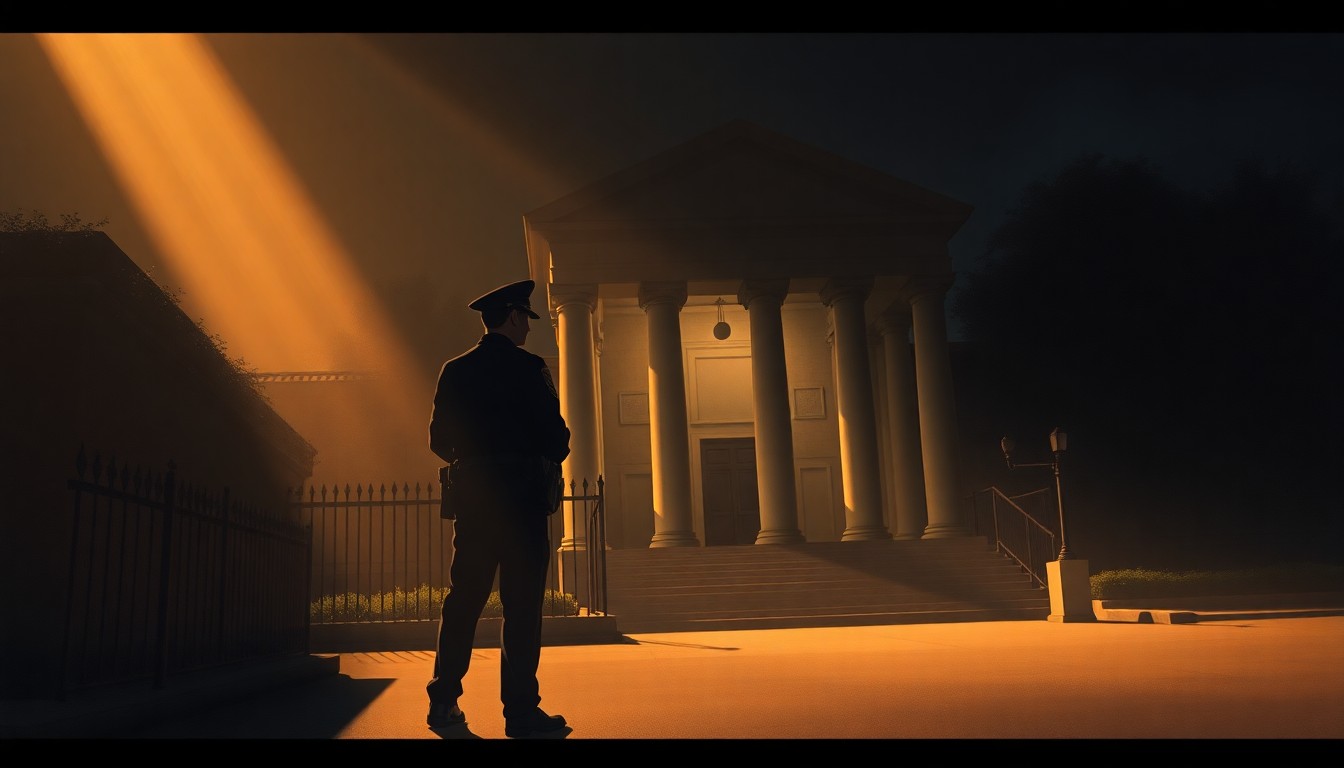 The stark contrast between the armed protection afforded to politicians and the self-defense restrictions imposed on the public fuels ongoing debates over gun control policies.Chicago Today
Chicago Mayor Brandon Johnson has backed some of Illinois' most restrictive firearm policies, including a ban on so-called 'assault-style weapons' and magazine restrictions. However, reports reveal that Johnson's personal armed security detail includes as many as 150 Chicago Police Department officers at a cost to taxpayers of roughly $30 million a year. This has sparked accusations of a 'gun control for thee, but not for me' double standard, where politicians in restrictive gun control jurisdictions demand layers of armed protection for themselves while making it harder for law-abiding citizens to exercise their Second Amendment rights.
Why it matters
This pattern of politicians in gun control strongholds enjoying armed personal protection while restricting the public's self-defense rights has become a growing point of contention. It highlights the perceived hypocrisy of officials who believe armed security is a necessity for those in power but a problem for everyone else. The Second Amendment was written for the people, not just for those in positions of authority.
The details
Reports show that Chicago Mayor Brandon Johnson's personal armed security detail includes as many as 150 Chicago Police Department officers, costing taxpayers roughly $30 million a year. This comes as Johnson has backed some of Illinois' most restrictive firearm policies, including a ban on so-called 'assault-style weapons' and magazine restrictions. The mayor has praised these laws as an 'important step' to keep 'weapons of war' out of neighborhoods, even as he enjoys the protection of a large armed security force.
- In 2023, the U.S. Court of Appeals for the Seventh Circuit reversed a lower court's preliminary injunction against Illinois' ban on so-called 'assault-style weapons' and magazine restrictions.
- In 2021, U.S. Sen. Raphael Warnock (D-Ga.) spent nearly $137,000 on private armed security, despite his anti-police, anti-gun rhetoric.
- In 2024, then-Vice President Kamala Harris' personal firearm ownership and round-the-clock protection stood in obvious tension with the strict gun control agenda she promoted.
The players
Brandon Johnson
The mayor of Chicago who has backed some of Illinois' most restrictive firearm policies while being protected by a large armed security detail.
Chicago Police Department
The police force providing the 150-officer security detail for Mayor Brandon Johnson at a cost of roughly $30 million a year to taxpayers.
What they’re saying
“Alright, look... I probably get forty or fifty threats every week...That just happens when you're the mayor of New York City, or very wealthy, or campaigning for the president of the United States. You're gonna get lots of threats.”
— Michael Bloomberg, Former New York City Mayor and gun control activist
What’s next
The ongoing debate over the mayor's armed security detail and the perceived double standard on gun control policies is likely to continue, with calls for greater transparency and accountability from both supporters and critics.
The takeaway
This case highlights the growing divide between politicians who enjoy the protection of armed security details while pushing strict gun control measures that limit the ability of law-abiding citizens to defend themselves. It underscores the perception of a 'gun control for thee, but not for me' mentality among some elected officials, which erodes public trust and raises questions about the fairness and effectiveness of their policies.
Chicago top stories



Chicago events
Apr. 10, 2026
Hamilton (Chicago)
Apr. 10, 2026
Mrs. Krishnan's Party