- Today
- Holidays
- Birthdays
- Reminders
- Cities
- Atlanta
- Austin
- Baltimore
- Berwyn
- Beverly Hills
- Birmingham
- Boston
- Brooklyn
- Buffalo
- Charlotte
- Chicago
- Cincinnati
- Cleveland
- Columbus
- Dallas
- Denver
- Detroit
- Fort Worth
- Houston
- Indianapolis
- Knoxville
- Las Vegas
- Los Angeles
- Louisville
- Madison
- Memphis
- Miami
- Milwaukee
- Minneapolis
- Nashville
- New Orleans
- New York
- Omaha
- Orlando
- Philadelphia
- Phoenix
- Pittsburgh
- Portland
- Raleigh
- Richmond
- Rutherford
- Sacramento
- Salt Lake City
- San Antonio
- San Diego
- San Francisco
- San Jose
- Seattle
- Tampa
- Tucson
- Washington
Chicago Faith Leaders Condemn Use of Religion to Justify War
Cardinal Cupich and other religious figures push back on political rhetoric invoking God and faith to support military action.
Apr. 10, 2026 at 12:06am
Got story updates? Submit your updates here. ›
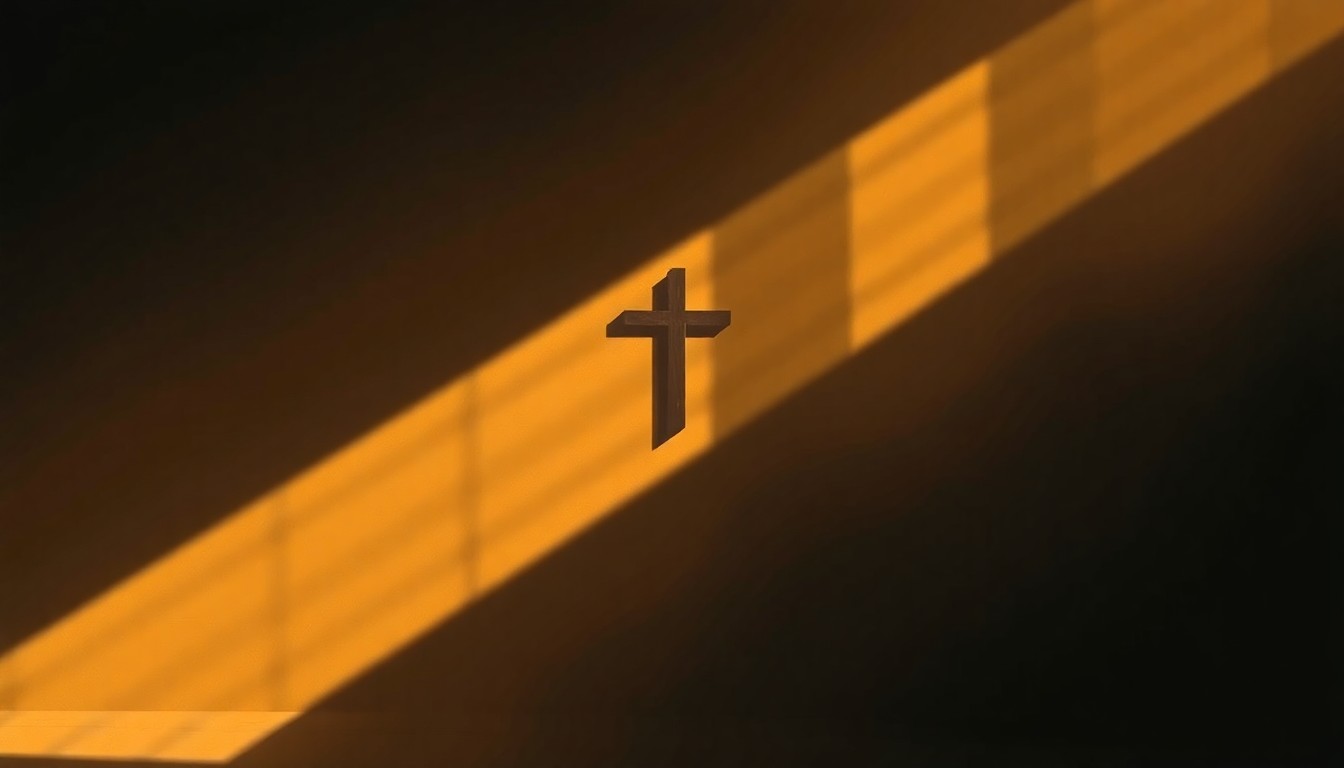 As political leaders invoke religious rhetoric to justify military action, faith leaders in Chicago push back, calling for diplomacy and a return to the core teachings of peace.Chicago Today
As global tensions rise amid the conflict in Iran, some Chicago-area faith leaders are raising urgent concerns about the use of religious language to justify war and nationalism. Cardinal Blase Cupich, who leads the Archdiocese of Chicago, said 'peace can't be imposed by force' and criticized the Trump administration's escalating rhetoric. Other local religious leaders, including Pastor Jon Herr and Rev. Quincy Worthington, also expressed disappointment with the administration's attempts to co-opt faith to support military action.
Why it matters
The issue is not just political, but deeply theological for these faith leaders. They argue that using religious rhetoric to justify war is antithetical to core Christian and Islamic teachings of peace, justice, and care for the poor. There are concerns that this blending of religious identity with political power represents a dangerous rise of Christian nationalism.
The details
Cardinal Cupich echoed Pope Leo XIV's criticism of President Trump's social media posts, which included profanity-laced threats against Iran. U.S. Secretary of War Pete Hegseth has also invoked Christianity to bolster the administration's case for military action, comparing the rescue of a downed pilot to the resurrection of Jesus. Local pastors like Jon Herr and Quincy Worthington condemned these attempts to 'co-opt and use the language of faith' to support war, calling it 'idolatry dressed up in conviction'.
- On April 8, 2026, a temporary ceasefire was announced between the U.S., Iran, and Israel.
- On Easter Sunday 2026, President Trump posted a profanity-laced social media message threatening Iran.
The players
Cardinal Blase Cupich
The archbishop who leads the Archdiocese of Chicago and has criticized the use of religious rhetoric to justify war.
Pope Leo XIV
The current Pope who has also criticized President Trump's comments about Iran.
Pete Hegseth
The U.S. Secretary of War who has invoked Christianity to support the administration's military actions.
Jon Herr
The pastor of Christ Covenant Church of Chicago who expressed disappointment with the President's Easter message and called for the U.S. military to follow biblical principles of warfare.
Quincy Worthington
The pastor of Highland Park Presbyterian Church who condemned attempts to 'co-opt and use the language of faith' to justify war as 'idolatry dressed up in conviction'.
What they’re saying
“'Peace can't be imposed by force. It never works.'”
— Cardinal Blase Cupich, Archbishop of the Archdiocese of Chicago
“'It's not the first time that political leaders have tried to compromise scripture and the Word of God for their own purposes, and I think most people see through that.'”
— Cardinal Blase Cupich, Archbishop of the Archdiocese of Chicago
“'I find it absolutely shocking and abhorrent that they would try to co-opt and use the language of faith to support this war. The talking of wiping out an entire civilization is antithetical to just about every single Christian ethic I've read, and antithetical to the gospel and teachings of Jesus Christ.'”
— Rev. Quincy Worthington, Pastor of Highland Park Presbyterian Church
What’s next
The judge in the case will decide on Tuesday whether or not to allow Walker Reed Quinn out on bail.
The takeaway
This case highlights growing concerns in the community about repeat offenders released on bail, raising questions about bail reform, public safety on SF streets, and if any special laws to govern autonomous vehicles in residential and commercial areas.