- Today
- Holidays
- Birthdays
- Reminders
- Cities
- Atlanta
- Austin
- Baltimore
- Berwyn
- Beverly Hills
- Birmingham
- Boston
- Brooklyn
- Buffalo
- Charlotte
- Chicago
- Cincinnati
- Cleveland
- Columbus
- Dallas
- Denver
- Detroit
- Fort Worth
- Houston
- Indianapolis
- Knoxville
- Las Vegas
- Los Angeles
- Louisville
- Madison
- Memphis
- Miami
- Milwaukee
- Minneapolis
- Nashville
- New Orleans
- New York
- Omaha
- Orlando
- Philadelphia
- Phoenix
- Pittsburgh
- Portland
- Raleigh
- Richmond
- Rutherford
- Sacramento
- Salt Lake City
- San Antonio
- San Diego
- San Francisco
- San Jose
- Seattle
- Tampa
- Tucson
- Washington
Iranians Endure War and Repression, But Remain Defined by More Than Their Leaders
As the U.S.-Israeli conflict with Iran continues, ordinary citizens face a 'double siege' of external bombardment and internal crackdown by the regime.
Apr. 9, 2026 at 12:58am
Got story updates? Submit your updates here. ›
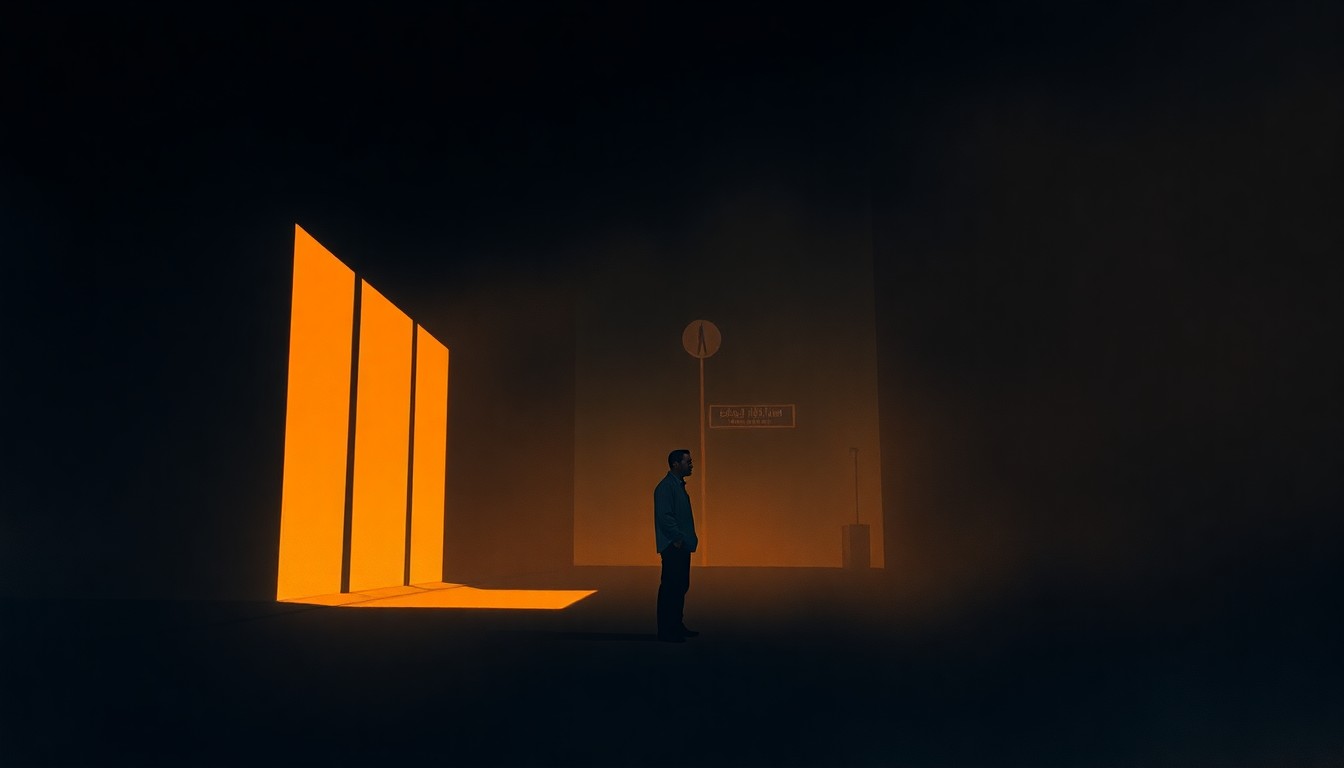 As the Iranian people endure the dual burdens of external bombardment and internal crackdown, their resilience and humanity shine through the darkness of war and oppression.Chicago Today
More than a month into the U.S.-Israeli war against Iran, ordinary Iranians are living under a double siege: external bombardment and internal repression by the Iranian regime. While the Islamic Republic remains in power, its brutality has not diminished the depth, dignity, and historical weight of Iranian society, which is defined by a cultural memory, intellectual traditions, and democratic aspirations that long predate the current government.
Why it matters
The central question is not only how this war ends, but what vision of Iran survives it. If the Islamic Republic remains in place, it is likely to emerge weaker institutionally but harsher politically. If it collapses, Iran could face a dangerous period of vacuum, fragmentation, and legal disorder before any legitimate alternative can take hold. In either case, ordinary Iranians will bear the heaviest burden.
The details
As bombing has continued, more and more of Iran's hidden missile cities and military infrastructure have come into public view, revealing how much of the country's oil wealth was diverted into militarization over the last 47 years. At the same time, citizens with no ties to power, no access to privilege, and no role in building this war machine are enduring the war with virtually no shelter, no warning systems, and no meaningful protection. The Iranian regime has restricted internet access, denying citizens basic information while allowing insiders to circulate official narratives. Businesses, universities, and schools have largely shut down, deepening economic strain as prices of essential goods rise sharply. Repression has also intensified, with arrests, espionage charges, and executions continuing.
- The U.S.-Israeli war against Iran has been ongoing for more than a month.
- In a recent address, President Donald Trump said the war's objectives were nearly achieved and suggested the conflict could continue for another two to three weeks if Iran did not comply with U.S. demands.
The players
Donald Trump
The President of the United States, who has made remarks about the war against Iran and its potential duration.
Nasrin Sotoudeh
An Iranian human rights lawyer who recently warned that the government's 'stupid stubbornness' has left civilians exposed to death during the war, and was promptly arrested.
What they’re saying
“The government's 'stupid stubbornness' has left civilians exposed to death”
— Nasrin Sotoudeh, Human rights lawyer
“The war's objectives were nearly achieved and suggested the conflict could continue for another two to three weeks if Iran did not comply with U.S. demands.”
— Donald Trump, President of the United States
What’s next
The outcome of the war and the future of Iran's political order remain uncertain, with the potential for either the weakening of the Islamic Republic or a dangerous period of instability and fragmentation if the regime collapses.
The takeaway
While the Iranian regime has brutalized its own people, the depth, dignity, and historical weight of Iranian society is defined by more than just its current leaders. The central question is not only how this war ends, but what vision of Iran survives it - one that recognizes the Iranian people's cultural memory, intellectual traditions, and democratic aspirations that long predate the Islamic Republic.
Chicago top stories

Chicago events

Apr. 9, 2026
Chicago Blackhawks vs. Carolina Hurricanes
Apr. 9, 2026
White Rooster
Apr. 9, 2026
Hamilton (Chicago)