- Today
- Holidays
- Birthdays
- Reminders
- Cities
- Atlanta
- Austin
- Baltimore
- Berwyn
- Beverly Hills
- Birmingham
- Boston
- Brooklyn
- Buffalo
- Charlotte
- Chicago
- Cincinnati
- Cleveland
- Columbus
- Dallas
- Denver
- Detroit
- Fort Worth
- Houston
- Indianapolis
- Knoxville
- Las Vegas
- Los Angeles
- Louisville
- Madison
- Memphis
- Miami
- Milwaukee
- Minneapolis
- Nashville
- New Orleans
- New York
- Omaha
- Orlando
- Philadelphia
- Phoenix
- Pittsburgh
- Portland
- Raleigh
- Richmond
- Rutherford
- Sacramento
- Salt Lake City
- San Antonio
- San Diego
- San Francisco
- San Jose
- Seattle
- Tampa
- Tucson
- Washington
The Tragic Tale of the Lady Elgin, the Deadliest Shipwreck in Great Lakes History
The 1860 disaster led to major maritime safety reforms across the region.
Apr. 8, 2026 at 9:06pm
Got story updates? Submit your updates here. ›
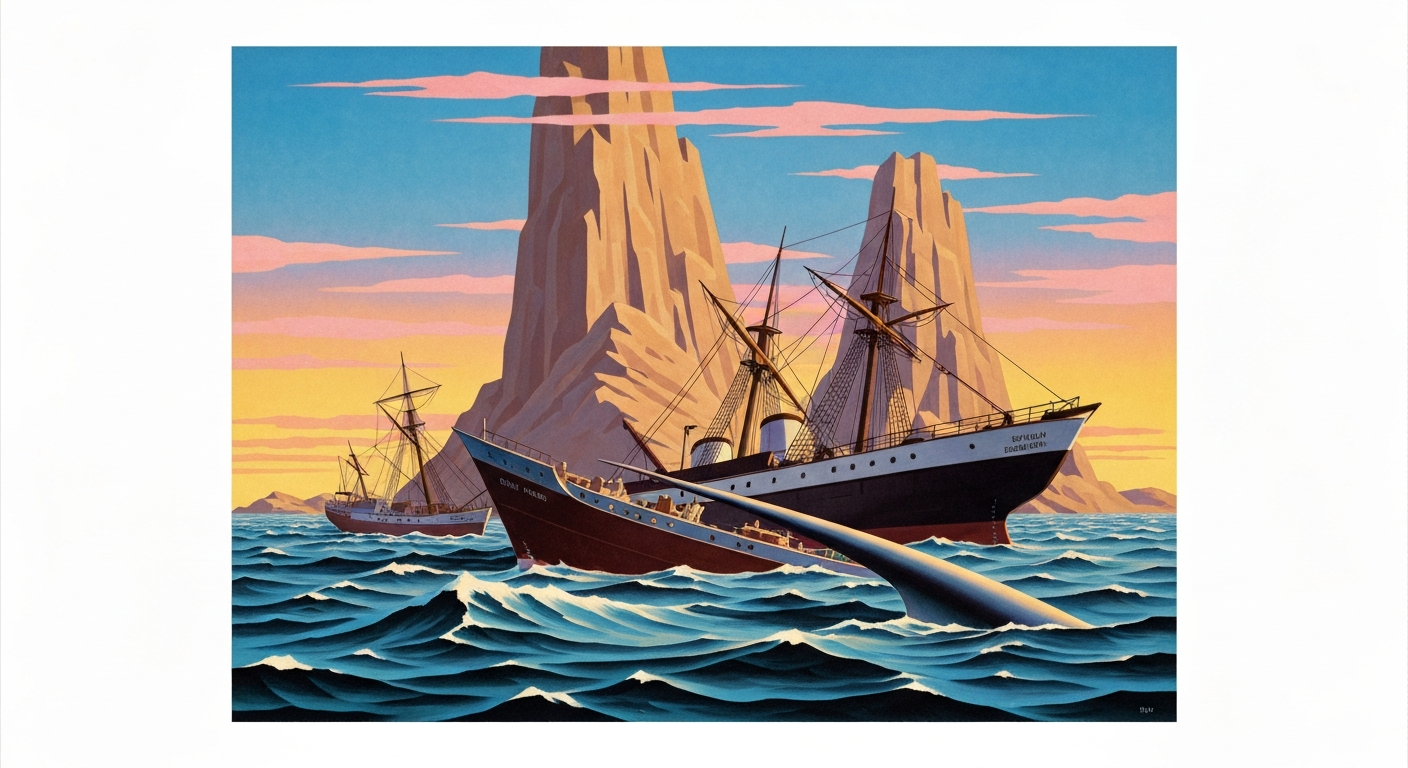 The tragic sinking of the Lady Elgin in 1860 sparked major reforms that improved maritime safety and rescue capabilities across the Great Lakes region.Chicago Today
In September 1860, the passenger steamship Lady Elgin sank in a storm off the coast of Highland Park, Illinois, resulting in the deaths of around 300 people - the deadliest shipwreck in Great Lakes history. The tragedy had a profound impact, leading to new requirements for ship lighting, the creation of the U.S. Life-Saving Service, and the opening of the Grosse Point Lighthouse.
Why it matters
The Lady Elgin disaster was a watershed moment that exposed major gaps in maritime safety and emergency response capabilities on the Great Lakes. The loss of so many lives spurred critical reforms that improved navigation, rescue operations, and coastal infrastructure, making travel on the lakes much safer in the decades that followed.
The details
On a stormy September night in 1860, the Lady Elgin passenger steamship was headed from Chicago to Milwaukee with around 400 people on board when it was struck by the unlit lumber schooner Augusta. The collision caused the Lady Elgin to crack in half and sink a few miles off the coast of Highland Park, Illinois. Only about 100 people managed to reach the shore, while around 300 perished in the disaster.
- The Lady Elgin left Chicago for Milwaukee on the night of September 6, 1860.
- The collision with the Augusta schooner occurred a few hours into the voyage, around 2 a.m. on September 7, 1860.
- The Lady Elgin sank a few miles off the coast of Highland Park, Illinois shortly after the collision.
The players
Lady Elgin
A passenger steamship that sank in 1860, resulting in the deadliest shipwreck in Great Lakes history.
Augusta
A small lumber schooner that collided with the Lady Elgin in the storm, causing the steamship to sink.
Madeline Crispell
The curator at the Chicago Maritime Museum in Bridgeport, which houses an exhibit on the Lady Elgin disaster.
What they’re saying
“The Lady Elgin was lit, but not well enough for the unlit Augusta to see it. Neither ship was able to get out of the way in time.”
— Madeline Crispell, Curator, Chicago Maritime Museum
What’s next
The discovery of the Lady Elgin's wreckage over 125 years later in the 1990s provided new insights into the disaster and helped spur further research and preservation efforts related to the incident.
The takeaway
The tragic sinking of the Lady Elgin was a pivotal moment that led to significant improvements in maritime safety and emergency response capabilities across the Great Lakes region, helping to prevent similar disasters in the future.