- Today
- Holidays
- Birthdays
- Reminders
- Cities
- Atlanta
- Austin
- Baltimore
- Berwyn
- Beverly Hills
- Birmingham
- Boston
- Brooklyn
- Buffalo
- Charlotte
- Chicago
- Cincinnati
- Cleveland
- Columbus
- Dallas
- Denver
- Detroit
- Fort Worth
- Houston
- Indianapolis
- Knoxville
- Las Vegas
- Los Angeles
- Louisville
- Madison
- Memphis
- Miami
- Milwaukee
- Minneapolis
- Nashville
- New Orleans
- New York
- Omaha
- Orlando
- Philadelphia
- Phoenix
- Pittsburgh
- Portland
- Raleigh
- Richmond
- Rutherford
- Sacramento
- Salt Lake City
- San Antonio
- San Diego
- San Francisco
- San Jose
- Seattle
- Tampa
- Tucson
- Washington
West Suburban Medical Center Faces Closure Amid Financial Troubles
State officials warned of dire situation at hospital months before shutdown
Apr. 7, 2026 at 12:35am
Got story updates? Submit your updates here. ›
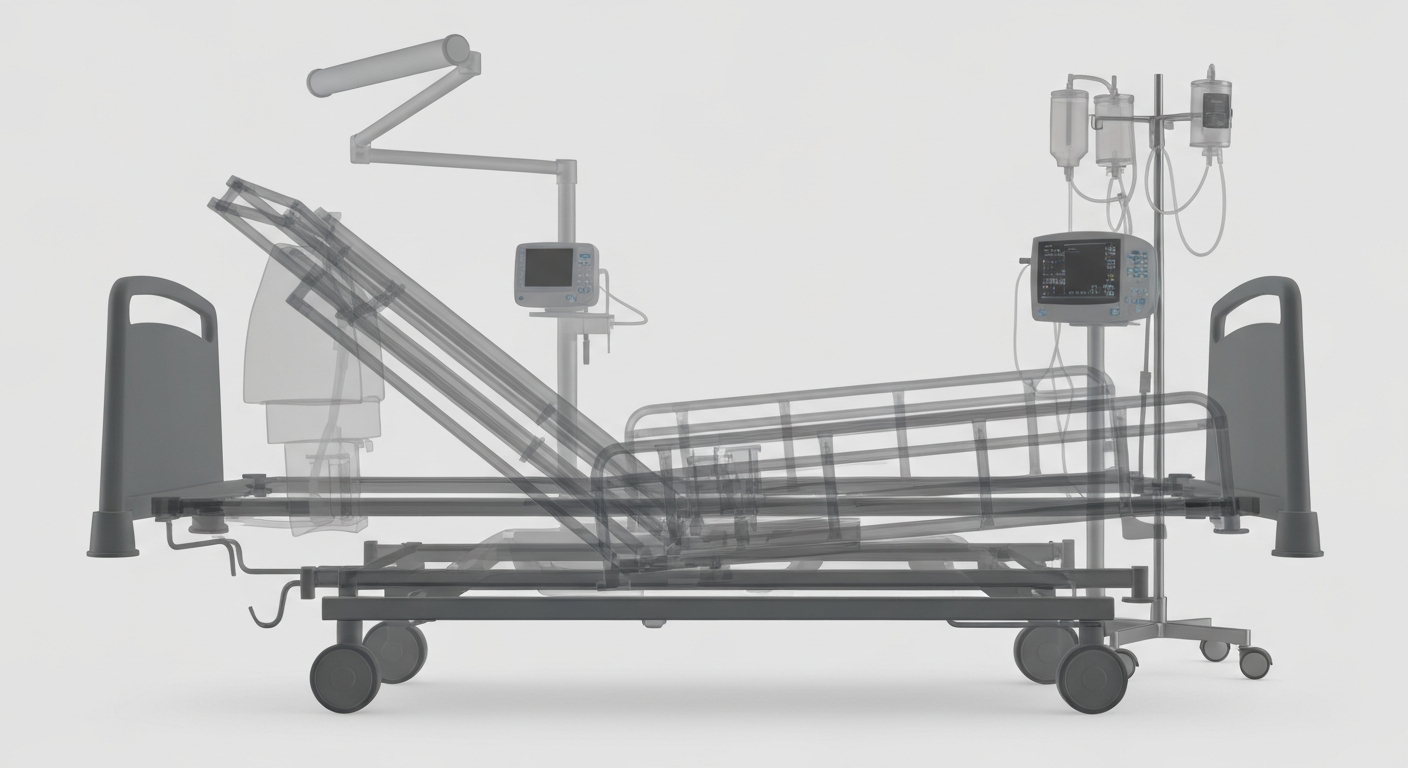 An X-ray view of the intricate inner workings of a hospital bed and medical equipment, symbolizing the hidden challenges facing West Suburban Medical Center before its abrupt closure.Chicago Today
Documents obtained by the ABC7 I-Team show that state officials were warned about the financial and operational challenges facing West Suburban Medical Center in Oak Park, Illinois, a month before the hospital abruptly closed its doors in March 2026. A meeting was held on February 11th involving the hospital's co-owner, former executives, and the Illinois Department of Healthcare and Family Services (HFS) chief of staff to discuss a potential plan to oust the current CEO and install a court-appointed receiver to oversee the hospital's recovery.
Why it matters
West Suburban Medical Center was a critical safety-net hospital serving the West Side of Chicago, Berwyn, and Austin communities, delivering 1,000 babies per year and handling over 2,000 ambulance runs monthly. Its sudden closure has left nearby hospitals overwhelmed and created a healthcare desert for the underserved population in the area.
The details
The February 11th meeting centered around the hospital's key challenges, including an "ongoing lack of financial and material resources" that led to emergency room physicians issuing a breach notice, as well as failing equipment like a non-functioning CAT scanner and inadequate telemetry and imaging. The presentation also noted severe limitations in specialty coverage, with inconsistent cardiology support, no gastroenterology or ENT support, sporadic OBGYN coverage, and unreliable access to gastroenterology and GYN specialists. The plan discussed potentially placing the hospital into a court-monitored receivership to account for finances after evicting the current CEO, Manoj Prasad, and other management.
- The February 11, 2026 meeting was held to discuss the 'Operational Recovery & Stabilization Plan' for West Suburban Medical Center.
- On March 25, 2026, West Suburban Medical Center announced it was suspending all patient care services.
The players
Manoj Prasad
The CEO of Resilience Healthcare, which took over operations of West Suburban Medical Center and Weiss Memorial Hospital in 2022.
Reddy Rathnaker
The owner of Ramco Holdings, the sole landowner of both West Suburban Medical Center and Weiss Memorial Hospital.
Dana Kelly
The Chief of Staff at the Illinois Department of Healthcare and Family Services (HFS).
Michael Flanagan
A potential healthcare facility receiver who was introduced at the February 11th meeting to potentially oversee the rollout of a plan to address West Suburban Medical Center's challenges.
Illinois Department of Healthcare and Family Services (HFS)
The state agency that attended the February 11th meeting and has provided over $30 million in loans to the hospitals since 2023, though no repayments have been received.
What they’re saying
“The state of Illinois has been working consistently to support the facility as it faced serious financial and operational challenges caused by its leadership.”
— HFS Spokesperson
“Any suggestion that Paragon has caused the challenges West Suburban Medical Center faces is misleading.”
— Altera Digital Health
What’s next
Resilience Healthcare CEO Manoj Prasad has stated that the hospital is focused on reopening for patients, staff, and the community, and the team is working to recover owed revenue and resume patient care by early July.
The takeaway
The closure of West Suburban Medical Center highlights the financial and operational challenges facing safety-net hospitals, particularly those under new ownership and management. The situation raises questions about the state's role in monitoring and supporting struggling healthcare facilities to prevent such abrupt shutdowns that disrupt care for vulnerable communities.
Chicago top stories



Chicago events

Apr. 7, 2026
Mrs. Krishnan's Party
Apr. 7, 2026
Nessa Barrett