- Today
- Holidays
- Birthdays
- Reminders
- Cities
- Atlanta
- Austin
- Baltimore
- Berwyn
- Beverly Hills
- Birmingham
- Boston
- Brooklyn
- Buffalo
- Charlotte
- Chicago
- Cincinnati
- Cleveland
- Columbus
- Dallas
- Denver
- Detroit
- Fort Worth
- Houston
- Indianapolis
- Knoxville
- Las Vegas
- Los Angeles
- Louisville
- Madison
- Memphis
- Miami
- Milwaukee
- Minneapolis
- Nashville
- New Orleans
- New York
- Omaha
- Orlando
- Philadelphia
- Phoenix
- Pittsburgh
- Portland
- Raleigh
- Richmond
- Rutherford
- Sacramento
- Salt Lake City
- San Antonio
- San Diego
- San Francisco
- San Jose
- Seattle
- Tampa
- Tucson
- Washington
ADA Advises Against Vital Staining for Oral Cancer Screening
New guidelines prioritize clinical exam over chemical adjuncts for early detection
Apr. 6, 2026 at 10:50pm
Got story updates? Submit your updates here. ›
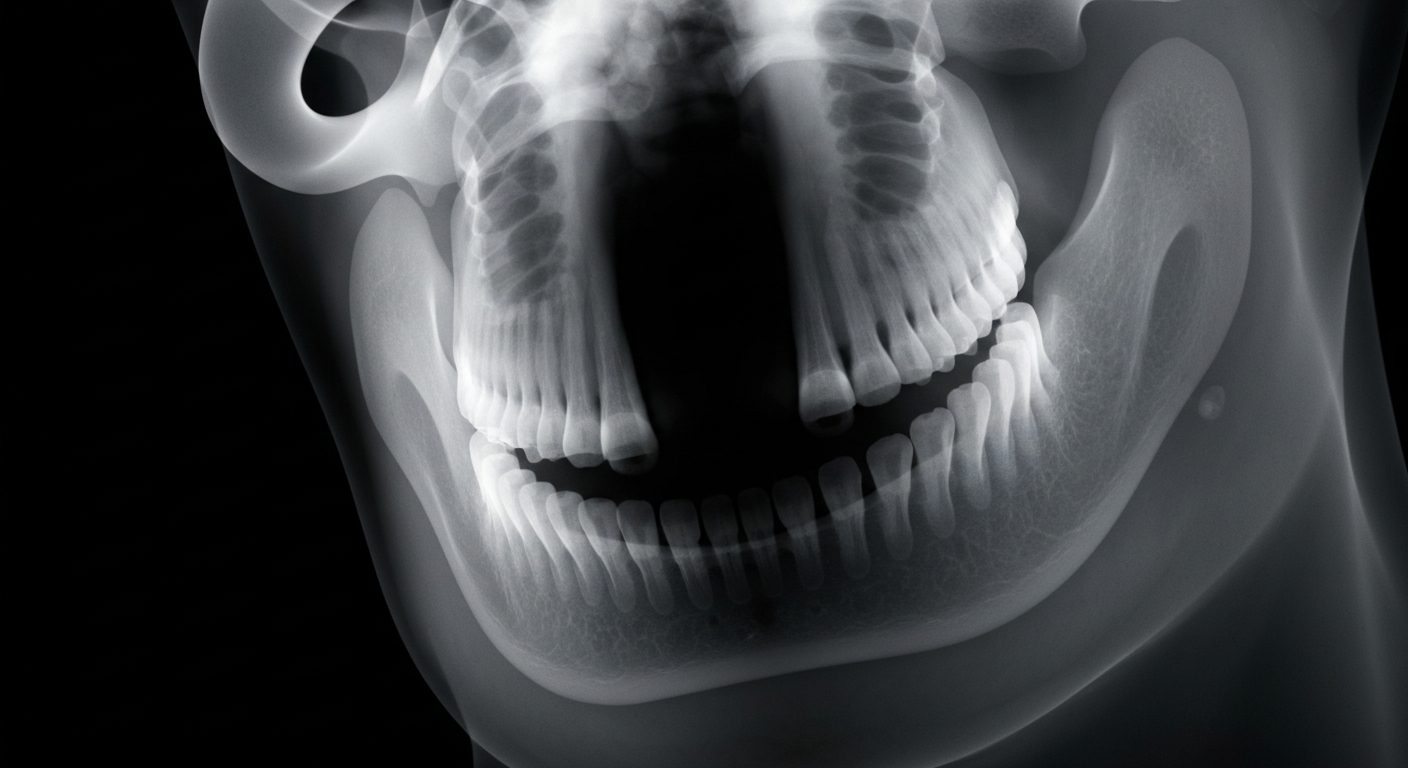 New ADA guidelines emphasize a return to the clinical exam, rather than relying on chemical adjuncts, for early detection of oral cancer.Chicago Today
The American Dental Association has issued new guidance advising dentists against the use of vital staining liquids to determine if a patient needs a biopsy for potential oral cancer. The recommendations suggest that relying on these chemical adjuncts does not improve diagnostic accuracy and may actually lead to delayed diagnoses or unnecessary medical procedures.
Why it matters
Early detection is critical for improving outcomes in oral and oropharyngeal cancers, which are associated with significant morbidity and mortality. The ADA maintains that a thorough clinical exam remains the 'gold standard' for identifying suspicious lesions that require a definitive biopsy.
The details
The ADA's multidisciplinary panel found that the evidence does not support using dyes like toluidine blue to decide who needs a biopsy or specialist referral. A 'negative' stain could provide a false sense of security, potentially delaying a necessary biopsy, while a 'positive' stain in a benign area could lead to unnecessary invasive procedures.
- The ADA's new 'living guideline' was released on April 6, 2026.
- In March 2026, the ADA released recommendations regarding cytology adjuncts for oral cancer screening.
- The ADA has signaled that further guidance is coming later in 2026 regarding light-based adjuncts and salivary tests.
The players
American Dental Association (ADA)
The leading professional organization for dentists in the United States, which has issued new guidance on oral cancer screening.
Dr. Mark Lingen
A professor of pathology at the University of Chicago Medicine who notes that early detection is critical for improving outcomes in oral and oropharyngeal cancers.
What they’re saying
“Oral and oropharyngeal cancers are associated with significant morbidity and mortality. Because early detection is the primary driver of improved patient outcomes, the ADA maintains that the 'gold standard' for a definitive diagnosis remains a punch or scalpel biopsy followed by histopathological assessment.”
— Dr. Mark Lingen, Professor of Pathology
What’s next
The ADA has signaled that further guidance is coming later in 2026 regarding light-based adjuncts and salivary tests for oral cancer screening.
The takeaway
This new ADA guidance emphasizes a return to the fundamentals of clinical care, with the comprehensive visual and tactile examination by a skilled dental professional remaining the most reliable tool for early detection of oral cancer. The use of chemical adjuncts like vital staining does not improve diagnostic accuracy and may lead to delayed diagnoses or unnecessary procedures.
Chicago top stories



Chicago events

Apr. 7, 2026
Mrs. Krishnan's Party
Apr. 7, 2026
Nessa Barrett