- Today
- Holidays
- Birthdays
- Reminders
- Cities
- Atlanta
- Austin
- Baltimore
- Berwyn
- Beverly Hills
- Birmingham
- Boston
- Brooklyn
- Buffalo
- Charlotte
- Chicago
- Cincinnati
- Cleveland
- Columbus
- Dallas
- Denver
- Detroit
- Fort Worth
- Houston
- Indianapolis
- Knoxville
- Las Vegas
- Los Angeles
- Louisville
- Madison
- Memphis
- Miami
- Milwaukee
- Minneapolis
- Nashville
- New Orleans
- New York
- Omaha
- Orlando
- Philadelphia
- Phoenix
- Pittsburgh
- Portland
- Raleigh
- Richmond
- Rutherford
- Sacramento
- Salt Lake City
- San Antonio
- San Diego
- San Francisco
- San Jose
- Seattle
- Tampa
- Tucson
- Washington
Pancreatic Tumors Resist Iron-Driven Cell Death
Researchers uncover how PDAC cells evade ferroptosis, a promising cancer therapy target.
Apr. 3, 2026 at 2:36am
Got story updates? Submit your updates here. ›
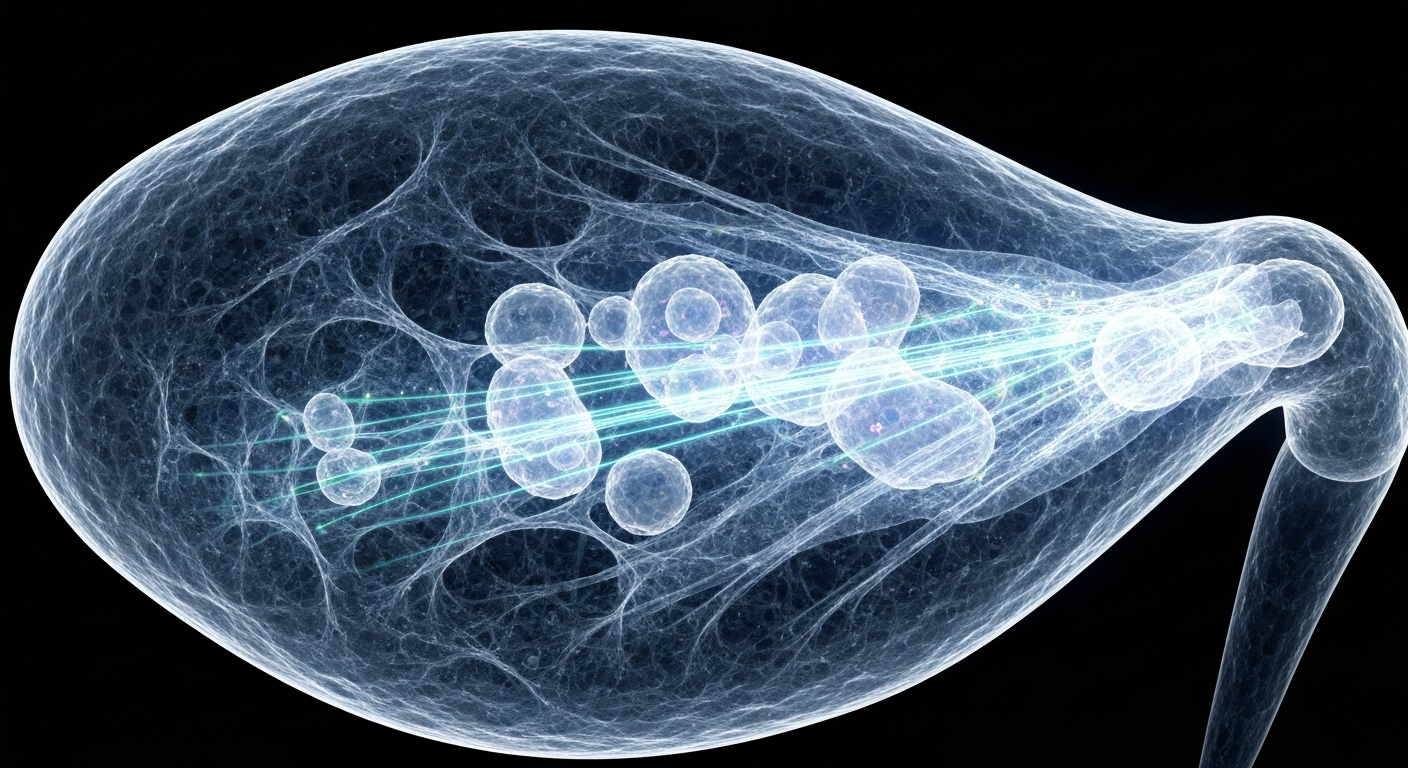 An X-ray view into the metabolic adaptations that allow pancreatic cancer cells to evade iron-driven cell death.Chicago Today
Researchers led by Chi Van Dang and Maimon Hubbi at Johns Hopkins University have discovered how pancreatic ductal adenocarcinoma (PDAC) cells resist ferroptosis, a type of iron-driven cell death that can be harnessed for cancer therapy. Their findings reveal that the low-oxygen, nutrient-poor tumor microenvironment of PDAC activates the HIF-2 protein, which in turn boosts antioxidant defenses and reduces oxidative stress in PDAC cells, protecting them from ferroptosis.
Why it matters
Pancreatic cancer is notoriously resistant to treatment, with a median survival of less than a year after diagnosis. Understanding the mechanisms behind PDAC's resistance to ferroptosis could lead to new therapeutic strategies to improve outcomes for this deadly disease.
The details
PDAC tumors are characterized by a dense, fibrous tissue sheath and poor blood supply, leaving the tumor microenvironment starved of oxygen. In response, PDAC cells express high levels of the HIF-2 protein, which coordinates a program of gene expression to help the cells adapt to hypoxia. The researchers found that HIF-2 activity also boosts PDAC cells' defenses against ferroptosis by increasing glutathione levels and reducing mitochondrial oxidative stress.
- The research was published in the current issue of Molecular Cell on April 2, 2026.
The players
Chi Van Dang
CEO and Scientific Director of the Ludwig Institute for Cancer Research, and Bloomberg Distinguished Professor of Cancer Medicine at Johns Hopkins University.
Maimon Hubbi
A postdoctoral researcher in Chi Van Dang's laboratory at Johns Hopkins University.
Alex Muir
A researcher at the Ludwig Institute for Cancer Research in Chicago, Illinois.
What they’re saying
“Our findings reveal that two defining features of the pancreatic tumor microenvironment-the composition of metabolites in the fluid around PDAC cells and severe oxygen deficiency, or hypoxia-cooperate to induce resistance to ferroptosis.”
— Maimon Hubbi, Postdoctoral Researcher
“Our findings highlight how extensively the tumor microenvironment shapes the susceptibility of cancer cells to death. They explain why PDAC is so resistant to ferroptosis and suggest that targeting specific intracellular biochemical pathways activated by HIF-2 could sensitize pancreatic tumors to ferroptotic therapies.”
— Chi Van Dang, CEO and Scientific Director
What’s next
The researchers plan to further investigate the specific biochemical pathways activated by HIF-2 in PDAC cells, with the goal of identifying potential therapeutic targets to sensitize pancreatic tumors to ferroptosis-inducing treatments.
The takeaway
This study provides important insights into the unique metabolic adaptations that allow pancreatic cancer cells to evade a promising form of cell death, highlighting the critical role of the tumor microenvironment in shaping cancer cell vulnerabilities. Targeting these adaptive mechanisms could open new avenues for treating this deadly disease.
Chicago top stories



Chicago events

Apr. 3, 2026
Hamilton (Chicago)
Apr. 3, 2026
The Wiz (Chicago)
Apr. 3, 2026
The Merry Wives of Windsor