- Today
- Holidays
- Birthdays
- Reminders
- Cities
- Atlanta
- Austin
- Baltimore
- Berwyn
- Beverly Hills
- Birmingham
- Boston
- Brooklyn
- Buffalo
- Charlotte
- Chicago
- Cincinnati
- Cleveland
- Columbus
- Dallas
- Denver
- Detroit
- Fort Worth
- Houston
- Indianapolis
- Knoxville
- Las Vegas
- Los Angeles
- Louisville
- Madison
- Memphis
- Miami
- Milwaukee
- Minneapolis
- Nashville
- New Orleans
- New York
- Omaha
- Orlando
- Philadelphia
- Phoenix
- Pittsburgh
- Portland
- Raleigh
- Richmond
- Rutherford
- Sacramento
- Salt Lake City
- San Antonio
- San Diego
- San Francisco
- San Jose
- Seattle
- Tampa
- Tucson
- Washington
Chicago Fed President Sees Inflation Risk from Iran War Complicating 2026 Rate Cuts
Austan Goolsbee warns that rising energy costs could push back the Federal Reserve's plans to lower interest rates.
Apr. 3, 2026 at 9:35pm
Got story updates? Submit your updates here. ›
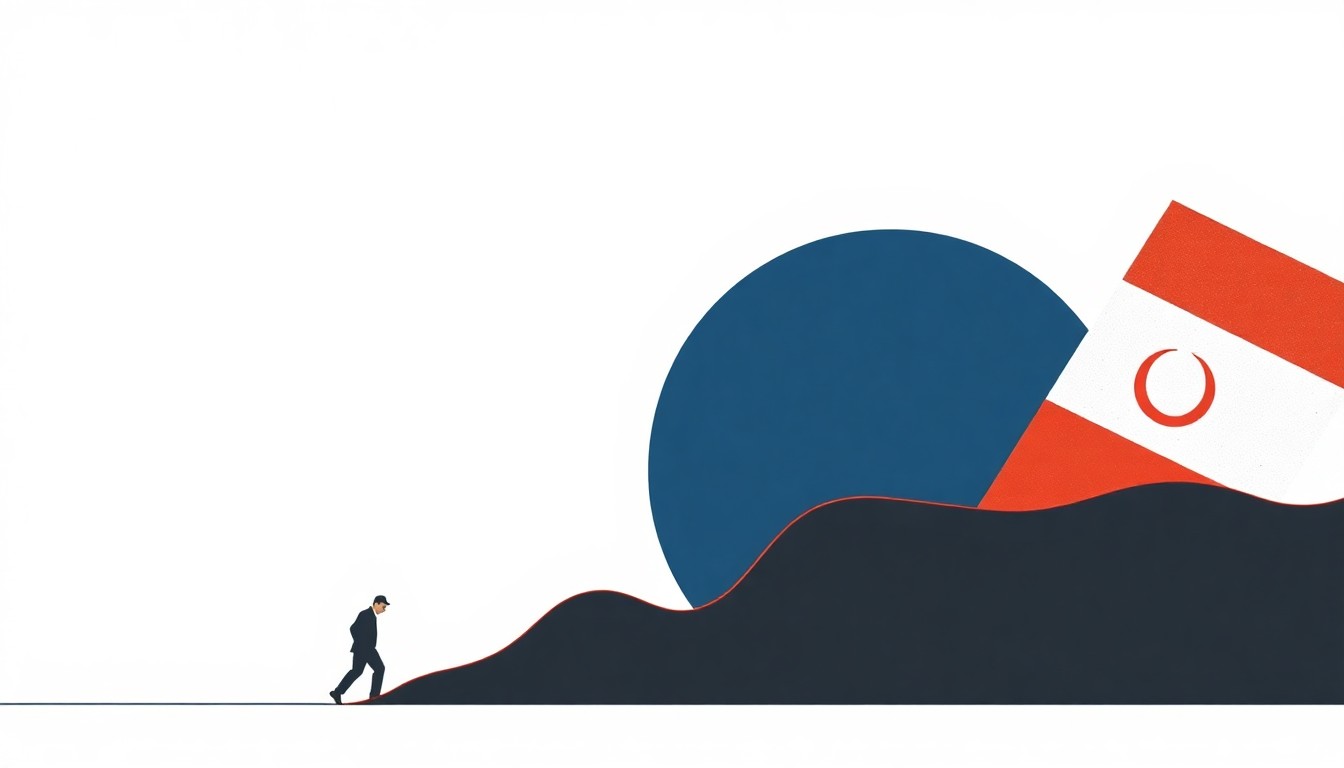 Geometric abstraction reflects the complex economic forces at play as the fallout from the Iran war threatens to disrupt the Federal Reserve's plans for interest rate policy.Chicago Today
Austan Goolsbee, the president of the Federal Reserve Bank of Chicago, believes that the ongoing conflict in Iran is fueling inflation risks that could complicate the central bank's plans to cut interest rates in 2026. Goolsbee said that before the war, he was optimistic the Fed could lower rates multiple times this year, but the energy price shock has made that outlook more uncertain.
Why it matters
The Federal Reserve's ability to lower interest rates in 2026 is a key factor in the economic outlook, as rate cuts could help stimulate growth and offset the impact of high inflation. Goolsbee's warning that the Iran war is complicating this plan suggests the path forward for monetary policy is becoming more uncertain.
The details
Goolsbee told CBS News that the Iran war and resulting rise in oil and fuel prices have "complicated the picture" on interest rates. Prior to the conflict, he believed the Fed could cut rates multiple times in 2026, but now thinks that may not happen until 2027 "at the earliest" if inflation does not improve. The Fed left rates unchanged in March due to economic uncertainty from the war, though policymakers still expected one rate cut in 2026. However, the continued surge in energy costs has led private economists to pare back their forecasts for rate cuts this year.
- In March 2026, the Federal Reserve left interest rates unchanged due to economic uncertainty from the Iran war.
- On April 10, 2026, the next Consumer Price Index report is expected to show March prices rose 3.1% annually, up from 2.4% in February.
The players
Austan Goolsbee
The president of the Federal Reserve Bank of Chicago, who is speaking for himself and not the Federal Reserve as a whole.
Federal Open Market Committee
The central bank's rate-setting panel, on which Goolsbee serves as an alternate member in 2026 and is slated to become a voting member in 2027.
What they’re saying
“Before the war, before we got the oil shock, I've been on the optimistic side of the rate — I believed rates could come down even multiple times in 2026.”
— Austan Goolsbee, President, Federal Reserve Bank of Chicago
“The energy shock 'complicates that picture for me — that if we're truly not going to see any improvement in inflation, to me that starts pushing these decisions off to 2027 at the earliest.”
— Austan Goolsbee, President, Federal Reserve Bank of Chicago
What’s next
The Federal Open Market Committee will continue to monitor economic conditions and inflation closely as it determines the appropriate path for monetary policy in 2026 and beyond.
The takeaway
Goolsbee's warning highlights the challenges the Federal Reserve faces in navigating the economic fallout from the Iran war, as rising energy costs threaten to undermine the central bank's ability to lower interest rates and support growth as planned.
Chicago top stories



Chicago events
Apr. 4, 2026
Chicago White Sox vs. Toronto Blue Jays
Apr. 4, 2026
Hamilton (Chicago)
Apr. 4, 2026
The Wiz (Chicago)