- Today
- Holidays
- Birthdays
- Reminders
- Cities
- Atlanta
- Austin
- Baltimore
- Berwyn
- Beverly Hills
- Birmingham
- Boston
- Brooklyn
- Buffalo
- Charlotte
- Chicago
- Cincinnati
- Cleveland
- Columbus
- Dallas
- Denver
- Detroit
- Fort Worth
- Houston
- Indianapolis
- Knoxville
- Las Vegas
- Los Angeles
- Louisville
- Madison
- Memphis
- Miami
- Milwaukee
- Minneapolis
- Nashville
- New Orleans
- New York
- Omaha
- Orlando
- Philadelphia
- Phoenix
- Pittsburgh
- Portland
- Raleigh
- Richmond
- Rutherford
- Sacramento
- Salt Lake City
- San Antonio
- San Diego
- San Francisco
- San Jose
- Seattle
- Tampa
- Tucson
- Washington
Deepfakes Pose Growing Threat to Legal System
Lawyers and judges remain largely unaware of the potential for AI-generated fake evidence in court cases.
Apr. 1, 2026 at 2:08pm
Got story updates? Submit your updates here. ›
Legal experts warn that the rise of deepfake technology could have a devastating impact on the judicial system, as litigants may increasingly attempt to introduce fabricated evidence that is indistinguishable from the real thing. However, a survey of lawyers and legal professionals found that very few have encountered deepfakes in actual court proceedings, suggesting a disconnect between the perceived threat and the current reality.
Why it matters
The ability to create highly convincing deepfakes poses a serious risk to the integrity of the legal process, as judges and juries may be unable to reliably determine the authenticity of photographic, audio, or video evidence. This could lead to a breakdown in the fact-finding mission of the courts and undermine public trust in the judicial system.
The details
While deepfake technology has advanced rapidly in recent years, making it easier than ever to generate fake evidence, legal professionals have yet to widely report encountering such issues in actual court cases. Some experts believe litigants may still be hesitant to brazenly introduce fabricated evidence, fearing the consequences of perjury. Others suggest that lawyers and judges have not yet fully grasped the implications of deepfakes, still operating under the assumption that visual and audio evidence can be trusted.
- The Advisory Committee on Evidence Rules recently rejected a proposal to strengthen authentication rules for digital evidence, citing a lack of reported cases involving deepfakes.
- Legal experts warn that the threat of deepfakes could soon become a major challenge for the judicial system, as the technology continues to advance and become more accessible.
The players
Xavier Rodriguez
A federal district judge for the Western District of Texas and a leading voice on technology and AI in the federal judiciary.
Stephen Embry
A lawyer, speaker, blogger, and writer who publishes the TechLaw Crossroads blog, which examines the tension between technology, the law, and the practice of law.
What they’re saying
“Lawyers and judges have not yet realized that virtually any piece of evidence, the realism of which we have taken for granted, could now be fake.”
— Stephen Embry, Lawyer and Writer
“There is a presumption of validity for photos, recordings, and videos. It's the notion that a picture is worth a thousand words. So, skepticism for what we see has not yet caught up with reality. At least in the courtroom.”
— Xavier Rodriguez, Federal District Judge
What’s next
Legal experts and policymakers will likely need to reevaluate evidence authentication rules and procedures to address the growing threat of deepfakes, as the technology continues to advance and become more accessible to the general public.
The takeaway
The rise of deepfake technology poses a significant challenge to the integrity of the legal system, as litigants may increasingly attempt to introduce fabricated evidence that is indistinguishable from the real thing. While the threat is not yet widely reported in courtrooms, legal professionals must remain vigilant and adapt their practices to ensure the reliability and trustworthiness of digital evidence.
Chicago top stories


Chicago events
Apr. 2, 2026
Hamilton (Chicago)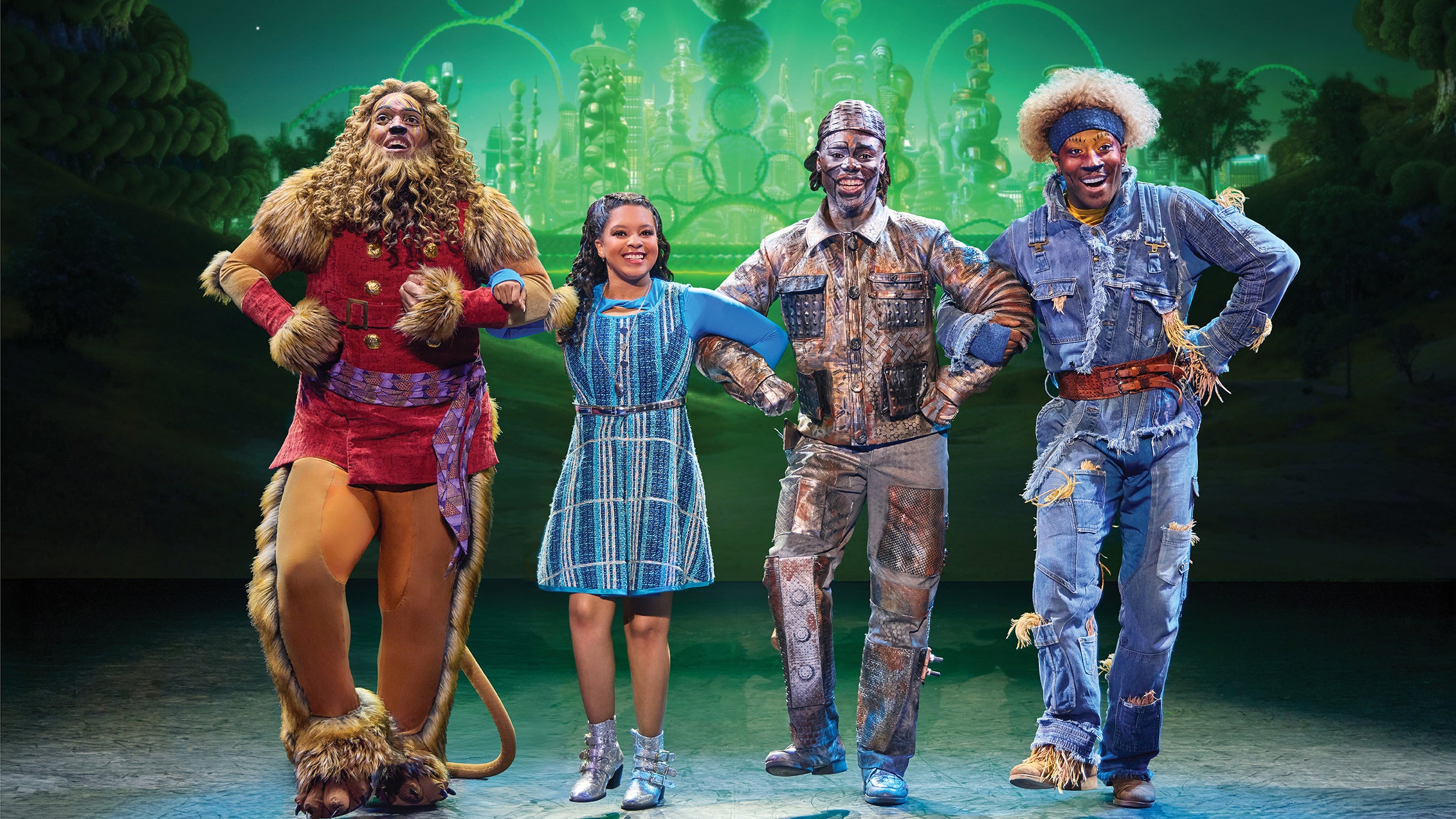
Apr. 2, 2026
The Wiz (Chicago)