- Today
- Holidays
- Birthdays
- Reminders
- Cities
- Atlanta
- Austin
- Baltimore
- Berwyn
- Beverly Hills
- Birmingham
- Boston
- Brooklyn
- Buffalo
- Charlotte
- Chicago
- Cincinnati
- Cleveland
- Columbus
- Dallas
- Denver
- Detroit
- Fort Worth
- Houston
- Indianapolis
- Knoxville
- Las Vegas
- Los Angeles
- Louisville
- Madison
- Memphis
- Miami
- Milwaukee
- Minneapolis
- Nashville
- New Orleans
- New York
- Omaha
- Orlando
- Philadelphia
- Phoenix
- Pittsburgh
- Portland
- Raleigh
- Richmond
- Rutherford
- Sacramento
- Salt Lake City
- San Antonio
- San Diego
- San Francisco
- San Jose
- Seattle
- Tampa
- Tucson
- Washington
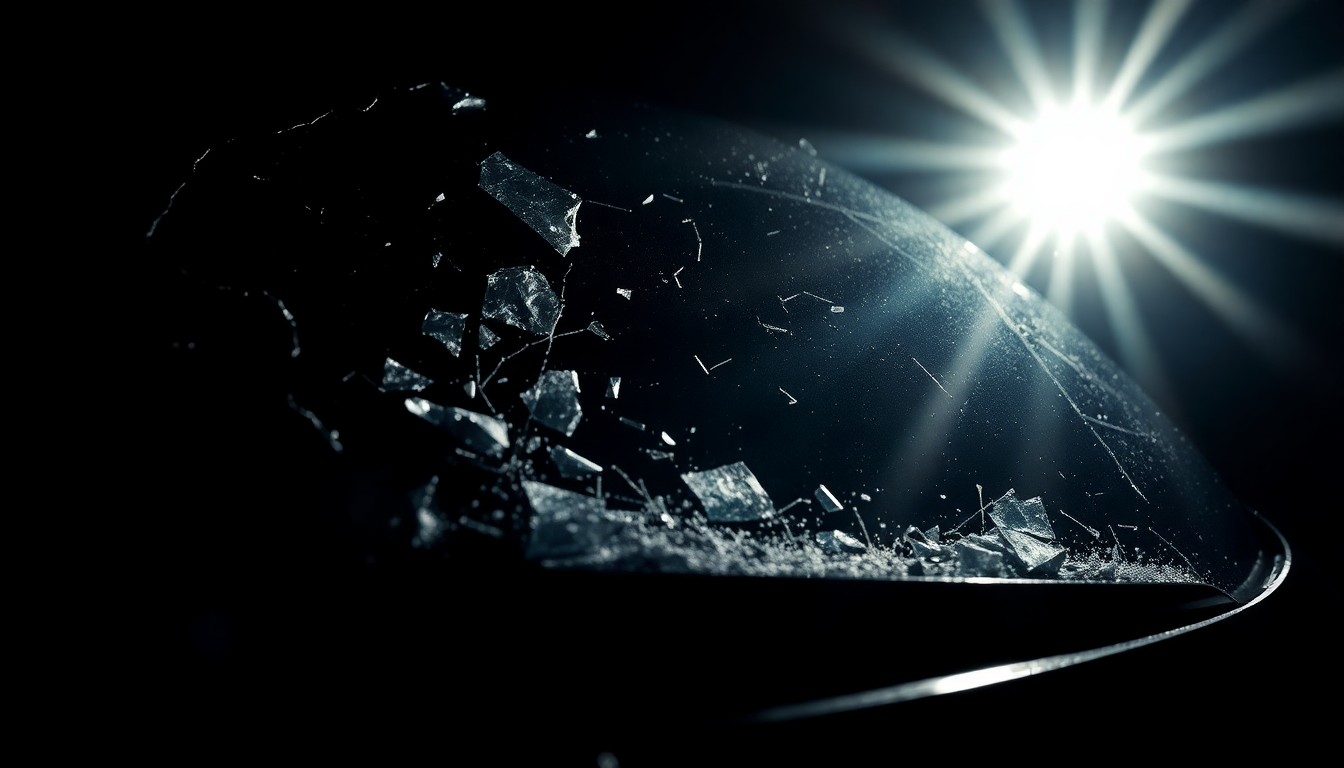
Chance glimpse of star collapse offers new insight into black hole formation
Researchers accidentally witnessed a star fading into a black hole, providing rare observational evidence of this phenomenon.
Feb. 12, 2026 at 2:15pm
Got story updates? Submit your updates here. ›
A team of researchers studying stars in the Andromeda Galaxy accidentally captured the rare event of a star collapsing directly into a black hole, without a supernova explosion. This provides valuable new insights into the process of black hole formation, as the star was smaller than what scientists typically expect to result in a black hole.
Why it matters
Observational evidence of stars directly collapsing into black holes is extremely rare, as the death of a star often happens over billions of years. This accidental discovery offers a unique opportunity to study the process in detail and challenges previous assumptions about the size of stars that can form black holes.
The details
The researchers were using long-term observations from NASA's NEOWISE mission to study stars in infrared light in the Andromeda Galaxy. They encountered an unusual stellar object that brightened and then dimmed until it disappeared, sparking their investigation. By analyzing archival data, they were able to piece together the full sequence of events, observing the star's "dying gasp" as it shed its outer layers before collapsing into a black hole.
- The researchers began the project as a study of stars in the Andromeda Galaxy.
- They encountered the unusual stellar object that brightened and then dimmed.
- The team analyzed over a decade of archival data to study the full sequence of events.
The players
Kishalay De
The lead author and astrophysicist from Columbia University and the Flatiron Institute who led the research.
Daniel Holz
A University of Chicago astrophysicist focused on black holes who was not involved in the study but commented on its significance.
NASA's NEOWISE mission
The space telescope mission that provided the long-term infrared observations used in the research.
What they’re saying
“That's where the mystery really started.”
— Kishalay De, Lead author and astrophysicist
“You have to be really lucky. You can't just look at one star and say, 'I'm just going to sit here and wait.'”
— Daniel Holz, University of Chicago astrophysicist
“It really points us to a completely new method of identifying the disappearance of stars, by not just looking for the individual stars disappearing, but to look for the infrared brightening that's associated with the process.”
— Kishalay De, Lead author and astrophysicist
What’s next
The researchers plan to continue studying this event and similar observations to further understand the process of black hole formation.
The takeaway
This accidental discovery of a star collapsing directly into a black hole provides rare observational evidence that challenges previous assumptions about the size of stars that can form black holes, opening up new avenues for studying this phenomenon.
Chicago top stories

Chicago events
Apr. 7, 2026
Mrs. Krishnan's Party
Apr. 7, 2026
Nessa Barrett