- Today
- Holidays
- Birthdays
- Reminders
- Cities
- Atlanta
- Austin
- Baltimore
- Berwyn
- Beverly Hills
- Birmingham
- Boston
- Brooklyn
- Buffalo
- Charlotte
- Chicago
- Cincinnati
- Cleveland
- Columbus
- Dallas
- Denver
- Detroit
- Fort Worth
- Houston
- Indianapolis
- Knoxville
- Las Vegas
- Los Angeles
- Louisville
- Madison
- Memphis
- Miami
- Milwaukee
- Minneapolis
- Nashville
- New Orleans
- New York
- Omaha
- Orlando
- Philadelphia
- Phoenix
- Pittsburgh
- Portland
- Raleigh
- Richmond
- Rutherford
- Sacramento
- Salt Lake City
- San Antonio
- San Diego
- San Francisco
- San Jose
- Seattle
- Tampa
- Tucson
- Washington
Judy Chicago Says Massive Google Artwork Failed Due to 'Moratorium'
The renowned artist's experience with a planned Google commission in Chicago highlights the challenges of collaborating with tech giants.
Published on Feb. 9, 2026
Got story updates? Submit your updates here. ›
Judy Chicago, known for her iconic work The Dinner Party, was commissioned by Google to create a large-scale public artwork for the renovated Thompson Center in Chicago. However, the project was ultimately abandoned due to a lack of clear communication, shifting requirements, and limited creative control for the artist. Chicago's experience raises questions about the power dynamics and potential pitfalls when artists partner with major corporations, even those that publicly champion art and culture.
Why it matters
This case underscores the importance of clear contracts, open communication, and a mutual respect for the artistic process when artists collaborate with large corporations on public art projects. As tech companies become increasingly involved in funding and hosting public art, it highlights the need for artists to carefully evaluate potential partnerships and advocate for their rights.
The details
Judy Chicago and her husband, Donald Woodman, were asked to travel to Chicago at their own expense, without a signed contract or any initial payment. When a proposed contract finally arrived in mid-November, it significantly limited Chicago's artistic freedom, leading to protracted legal negotiations. Specific design elements, like a terrazzo floor incorporating Chicago's 'Through the Flower' imagery and plans for a 17-story glass elevator shaft adorned with her design, presented immediate challenges due to a lack of accurate architectural drawings and uncertainty about the feasibility of using printed vinyl at that scale. At one point, communication was routed through a third-party firm, Gray Area, further slowing progress.
- In mid-November, a proposed contract significantly limiting Chicago's artistic freedom arrived.
- For weeks, Chicago and Woodman spent time recreating gradient colorations for the terrazzo floor, only to encounter issues with color matching.
The players
Judy Chicago
A renowned artist known for her iconic work The Dinner Party, who was commissioned by Google to create a large-scale public artwork for the renovated Thompson Center in Chicago.
Donald Woodman
Judy Chicago's husband, who worked with her on the planned Google commission.
The tech giant that commissioned Judy Chicago to create a public artwork for the renovated Thompson Center in Chicago.
Gray Area
A third-party firm that was involved in the communication between Judy Chicago and Google, further slowing progress on the project.
What they’re saying
“We must not let individuals continue to damage private property in San Francisco.”
— Robert Jenkins, San Francisco resident (San Francisco Chronicle)
“Fifty years is such an accomplishment in San Francisco, especially with the way the city has changed over the years.”
— Gordon Edgar, grocery employee (Instagram)
What’s next
The judge in the case will decide on Tuesday whether or not to allow Walker Reed Quinn out on bail.
The takeaway
This case highlights growing concerns in the community about repeat offenders released on bail, raising questions about bail reform, public safety on SF streets, and if any special laws to govern autonomous vehicles in residential and commercial areas.
Chicago top stories

Chicago events
Mar. 9, 2026
Chicago Blackhawks vs. Utah Mammoth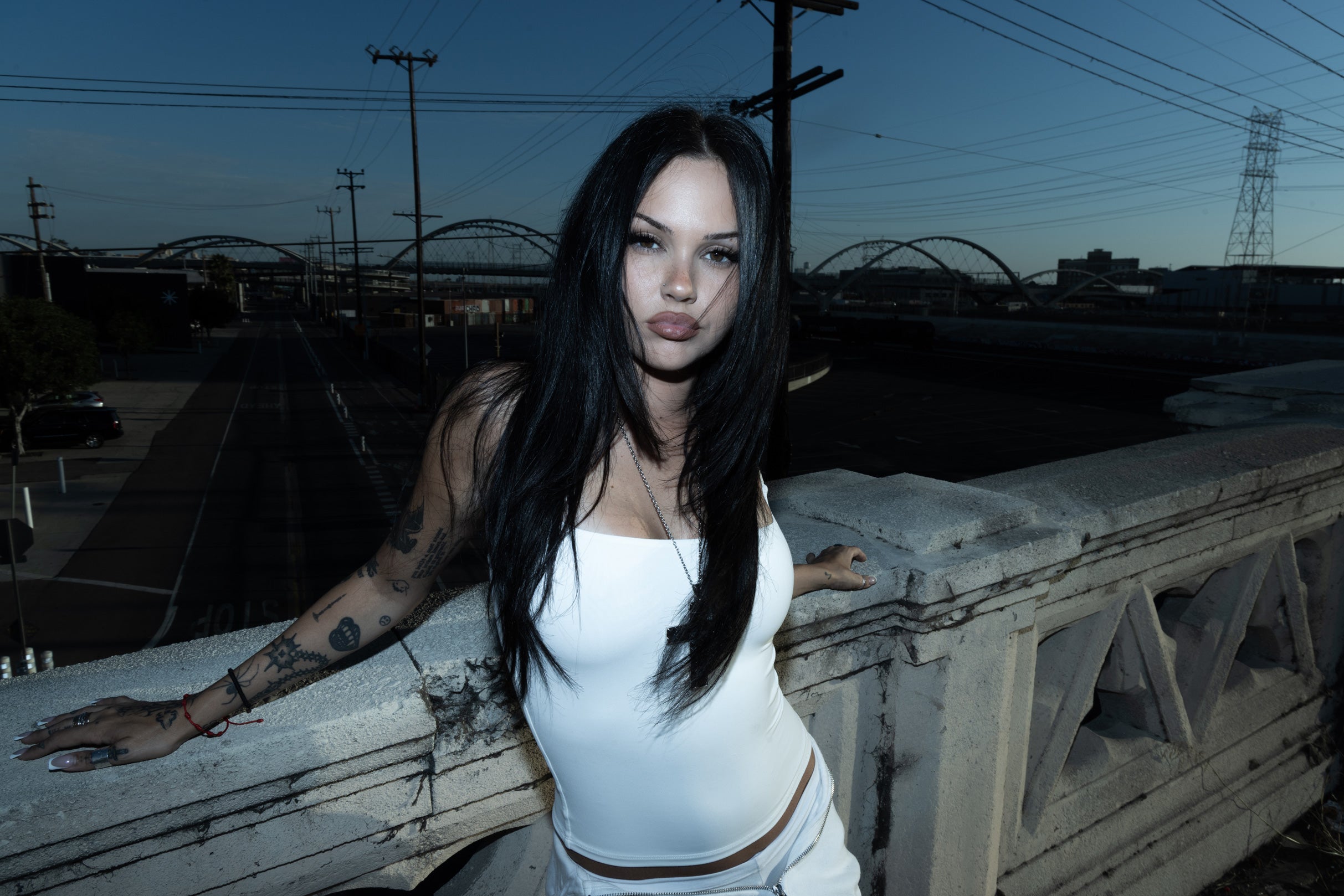
Mar. 10, 2026
Maggie Lindemann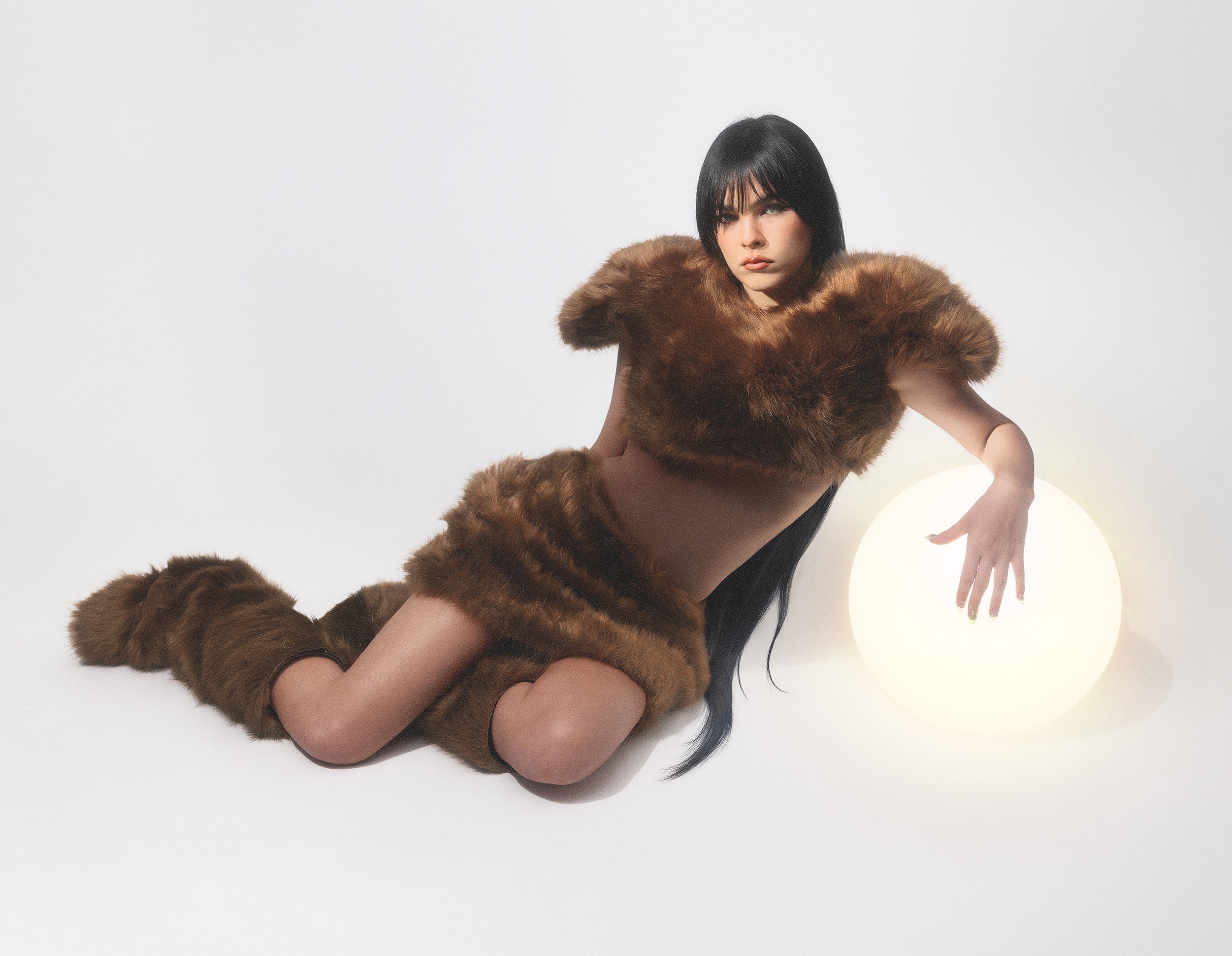
Mar. 10, 2026
Benee w/ BAYLi