- Today
- Holidays
- Birthdays
- Reminders
- Cities
- Atlanta
- Austin
- Baltimore
- Berwyn
- Beverly Hills
- Birmingham
- Boston
- Brooklyn
- Buffalo
- Charlotte
- Chicago
- Cincinnati
- Cleveland
- Columbus
- Dallas
- Denver
- Detroit
- Fort Worth
- Houston
- Indianapolis
- Knoxville
- Las Vegas
- Los Angeles
- Louisville
- Madison
- Memphis
- Miami
- Milwaukee
- Minneapolis
- Nashville
- New Orleans
- New York
- Omaha
- Orlando
- Philadelphia
- Phoenix
- Pittsburgh
- Portland
- Raleigh
- Richmond
- Rutherford
- Sacramento
- Salt Lake City
- San Antonio
- San Diego
- San Francisco
- San Jose
- Seattle
- Tampa
- Tucson
- Washington
AI Depictions of Neanderthals Found to Be Outdated and Inaccurate
New study shows AI often relies on old science, raising concerns about bias and misinformation.
Feb. 7, 2026 at 9:31am
Got story updates? Submit your updates here. ›
A new study led by researchers at the University of Maine and the University of Chicago found that AI systems like DALL-E 3 and ChatGPT often depict Neanderthals using outdated and inaccurate scientific information, rather than reflecting modern scholarly understanding of the species. The researchers tested the AI systems with various prompts about Neanderthal life and found that the resulting images and text descriptions frequently aligned more closely with 20th century ideas about Neanderthals being primitive and ape-like, rather than the more nuanced, culturally sophisticated picture painted by recent archaeological research.
Why it matters
This study highlights the potential for AI to perpetuate outdated stereotypes and misinformation, especially when it comes to public understanding of history and science. As generative AI becomes more prevalent in everyday life, it's important to examine the biases and limitations of these technologies, particularly when they are used to depict or describe complex topics like human evolution and ancient cultures.
The details
The researchers tested two popular AI systems - DALL-E 3 for image generation and ChatGPT using the GPT-3.5 model for text generation. They created prompts that asked the AI to depict or describe Neanderthal life, some with a request for scientific accuracy and others without. The results showed that much of the AI output relied on outdated scientific ideas, with images often portraying Neanderthals as heavily hunched, hairy, and ape-like, and text descriptions flattening Neanderthal culture and downplaying their diversity and skills. The researchers were able to estimate that the AI's understanding of Neanderthals most closely aligned with scholarship from the 1960s and 1980s/90s, rather than modern research.
- The study was conducted in 2023 as generative AI tools were becoming more widely used.
- The findings were published in the journal Advances in Archaeological Practice in February 2026.
The players
Matthew Magnani
An assistant professor of anthropology at the University of Maine and a co-author of the study.
Jon Clindaniel
A professor of computational anthropology at the University of Chicago and a co-author of the study.
Homo neanderthalensis
The species of Neanderthals, which has been the subject of scientific debate for over a century.
What they’re saying
“It's broadly important to examine the types of biases baked into our everyday use of these technologies. It's consequential to understand how the quick answers we receive relate to state-of-the-art and contemporary scientific knowledge.”
— Matthew Magnani, Assistant Professor of Anthropology, University of Maine
“Ensuring anthropological datasets and scholarly articles are AI-accessible is one important way we can render more accurate AI output.”
— Jon Clindaniel, Professor of Computational Anthropology, University of Chicago
What’s next
The researchers suggest that teaching students to approach generative AI cautiously and critically will be important for developing a more technically literate and discerning society. They also highlight the need for making modern scientific research more openly accessible to help improve the accuracy of AI systems.
The takeaway
This study serves as a template for examining the gap between current scholarship and the content generated by artificial intelligence systems, not just in archaeology and anthropology, but across many fields. As AI becomes more prevalent, it's crucial that these technologies are used with care, especially in education and science communication, to ensure they support learning rather than perpetuate outdated stereotypes and misinformation.
Chicago top stories



Chicago events
Apr. 2, 2026
Hamilton (Chicago)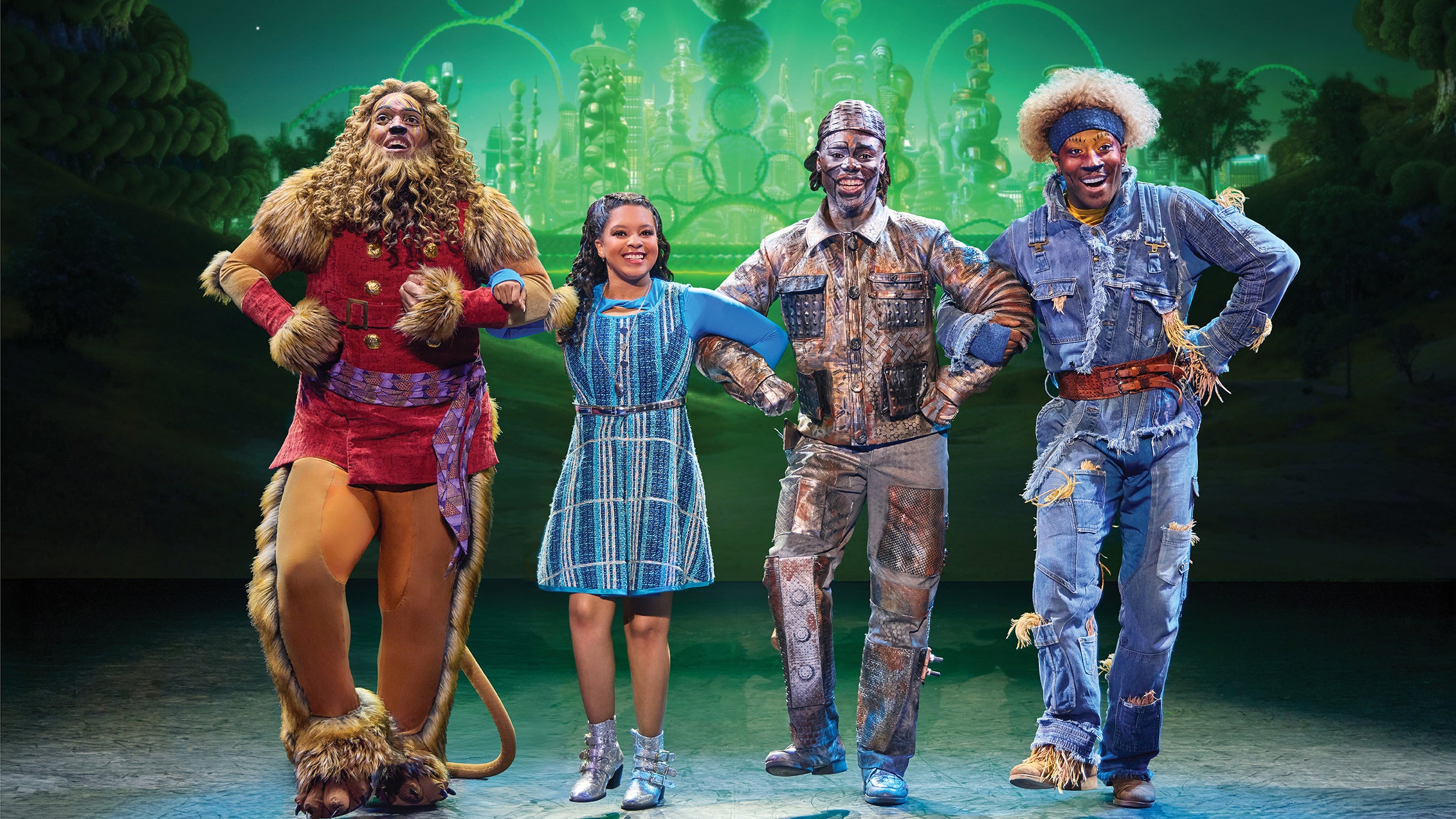
Apr. 2, 2026
The Wiz (Chicago)