- Today
- Holidays
- Birthdays
- Reminders
- Cities
- Atlanta
- Austin
- Baltimore
- Berwyn
- Beverly Hills
- Birmingham
- Boston
- Brooklyn
- Buffalo
- Charlotte
- Chicago
- Cincinnati
- Cleveland
- Columbus
- Dallas
- Denver
- Detroit
- Fort Worth
- Houston
- Indianapolis
- Knoxville
- Las Vegas
- Los Angeles
- Louisville
- Madison
- Memphis
- Miami
- Milwaukee
- Minneapolis
- Nashville
- New Orleans
- New York
- Omaha
- Orlando
- Philadelphia
- Phoenix
- Pittsburgh
- Portland
- Raleigh
- Richmond
- Rutherford
- Sacramento
- Salt Lake City
- San Antonio
- San Diego
- San Francisco
- San Jose
- Seattle
- Tampa
- Tucson
- Washington
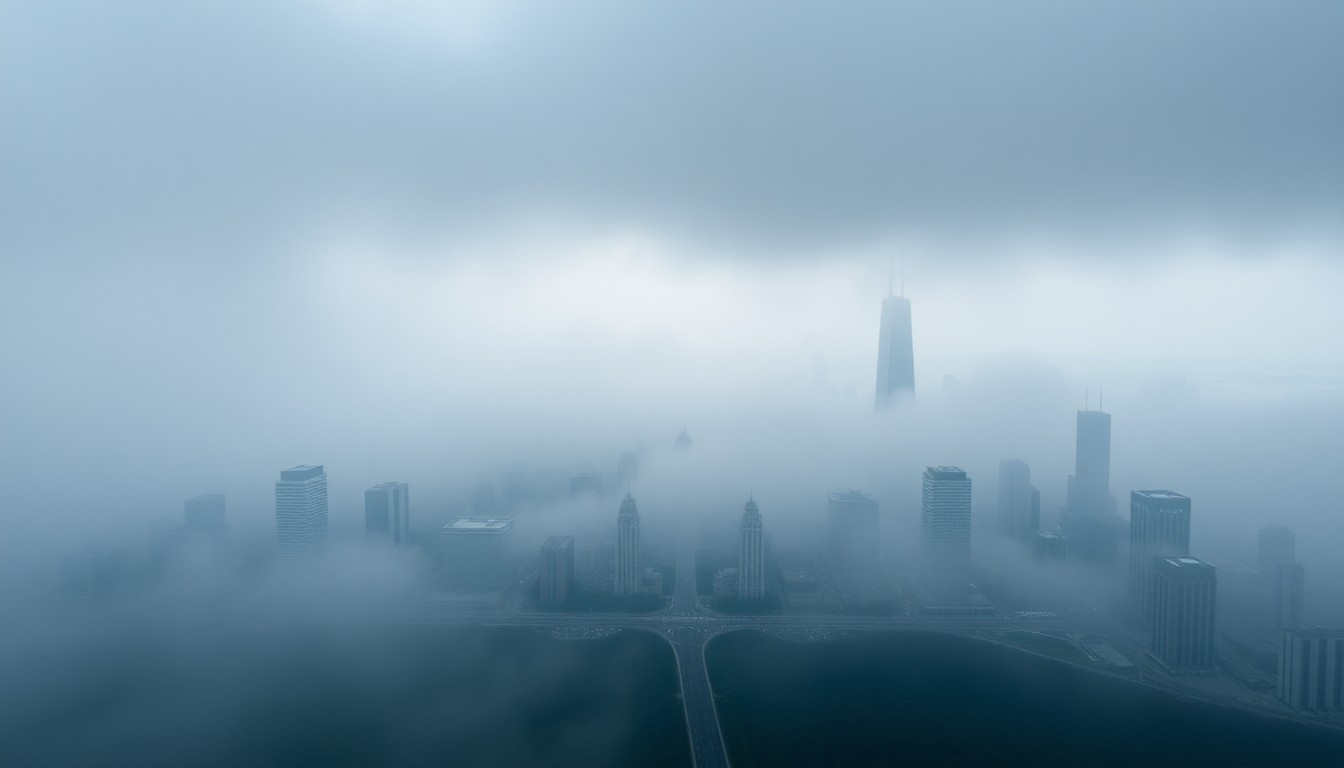
Snow Moon to Rise in Chicago Skies
Lunar calendar brings more celestial events in the coming months
Jan. 28, 2026 at 3:15pm
Got story updates? Submit your updates here. ›
The 'snow moon' will rise in the skies over Chicago to kick off the month of February, marking the halfway point of winter in the Northern Hemisphere. But that's not the only notable lunar event on the horizon, as a total lunar eclipse is set to occur in March and a 'blue moon' is expected in late May.
Why it matters
Lunar events like the snow moon, lunar eclipses, and blue moons are always of interest to stargazers and those fascinated by the night sky. These celestial occurrences provide opportunities for the public to engage with science and astronomy, and can even influence cultural traditions and folklore.
The details
The full 'snow moon' will occur on Sunday, February 2, 2026. According to NASA, the total lunar eclipse on March 3 will reach its peak at 5:33 AM Central time, just before sunrise in the Chicago area. Later in the year, a 'blue moon' - the second full moon in a single month - will occur on May 31, 2026.
- The 'snow moon' will rise on Sunday, February 2, 2026.
- The total lunar eclipse will peak at 5:33 AM Central on March 3, 2026.
- A 'blue moon' will occur on May 31, 2026.
The players
NASA
The National Aeronautics and Space Administration, an independent agency of the executive branch of the United States federal government responsible for the civilian space program, as well as aeronautics and space research.
Royal Museums Greenwich
A group of museums in Greenwich, London, that includes the Royal Observatory Greenwich, the Cutty Sark, and the National Maritime Museum.
What they’re saying
“The 'snow moon' got its name because of the cold and snowy weather North America experiences during the month of February, marking the halfway point of winter in the Northern Hemisphere.”
— Royal Museums Greenwich
“During a total lunar eclipse, the moon passes through the Earth's umbral shadow, causing the surface of the moon to first darken and then to take on an eerie red glow around totality.”
— NASA
What’s next
The total lunar eclipse on March 3 will be visible in the Chicago area just before sunrise, providing a rare celestial spectacle for early risers.
The takeaway
Lunar events like the snow moon, lunar eclipses, and blue moons continue to captivate the public and provide opportunities to engage with astronomy. These celestial occurrences are not only scientifically significant, but also hold cultural and traditional importance for many communities.
Chicago top stories


Chicago events
Apr. 7, 2026
Mrs. Krishnan's Party
Apr. 7, 2026
Nessa Barrett