- Today
- Holidays
- Birthdays
- Reminders
- Cities
- Atlanta
- Austin
- Baltimore
- Berwyn
- Beverly Hills
- Birmingham
- Boston
- Brooklyn
- Buffalo
- Charlotte
- Chicago
- Cincinnati
- Cleveland
- Columbus
- Dallas
- Denver
- Detroit
- Fort Worth
- Houston
- Indianapolis
- Knoxville
- Las Vegas
- Los Angeles
- Louisville
- Madison
- Memphis
- Miami
- Milwaukee
- Minneapolis
- Nashville
- New Orleans
- New York
- Omaha
- Orlando
- Philadelphia
- Phoenix
- Pittsburgh
- Portland
- Raleigh
- Richmond
- Rutherford
- Sacramento
- Salt Lake City
- San Antonio
- San Diego
- San Francisco
- San Jose
- Seattle
- Tampa
- Tucson
- Washington
Berlin Today
By the People, for the People
German Auteur Christian Petzold Reflects on His Latest Film 'Miroirs No. 3'
Petzold discusses the fairy tale elements, camera positioning, and musical influences in his latest psychological drama.
Mar. 30, 2026 at 4:06pm
Got story updates? Submit your updates here. ›
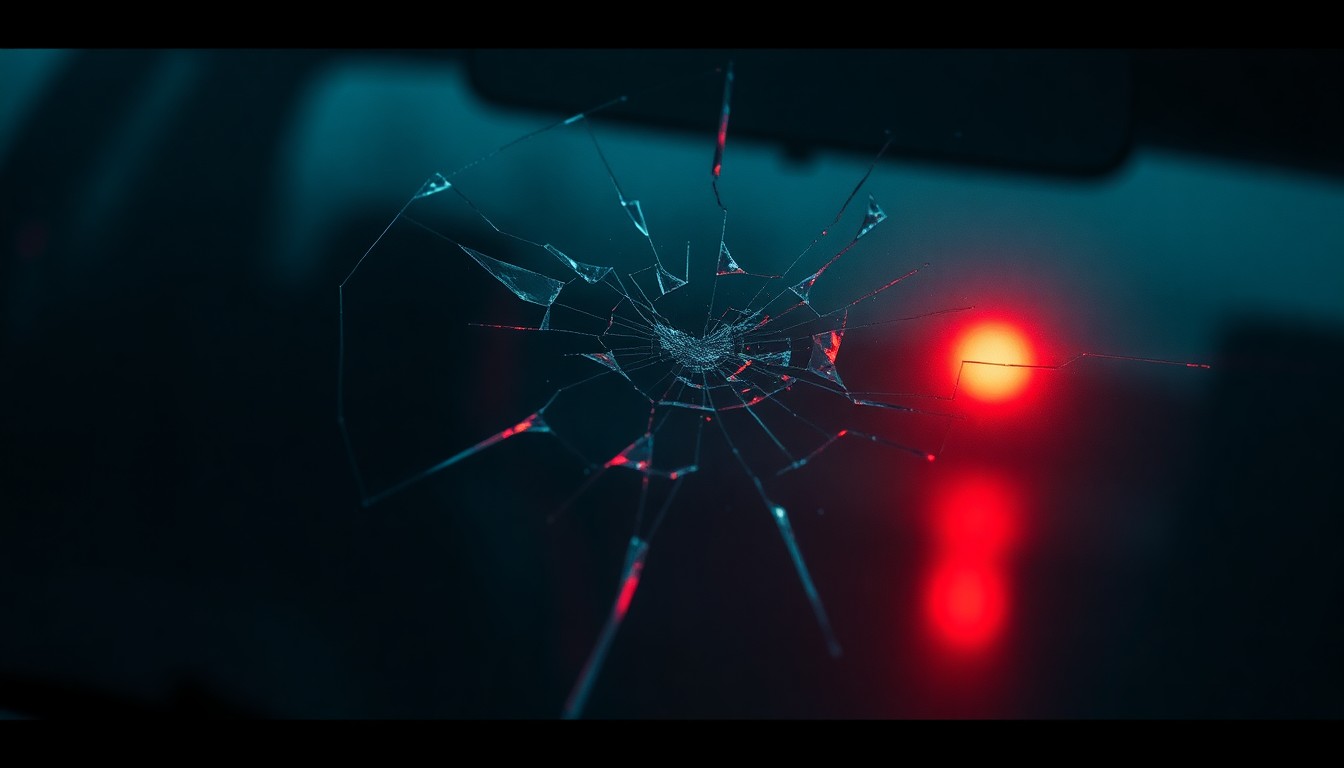 The haunting visual metaphor of a damaged car windshield reflects the emotional turmoil at the heart of Christian Petzold's latest psychological drama.Berlin Today
In an interview, acclaimed German filmmaker Christian Petzold discusses the making of his latest film 'Miroirs No. 3', which follows a pianist named Laura who is nursed back to health by a mysterious woman named Betty after a fatal car crash. Petzold delves into his use of fairy tale structures, the importance of camera placement, and the influence of films like 'The Deer Hunter' on the musical choices in the movie.
Why it matters
Petzold's films are known for their layered storytelling and unique visual style, often drawing from classic cinema and literature. This interview provides insight into his creative process and the thematic underpinnings of 'Miroirs No. 3', which explores themes of grief, desire, and the nature of reality.
The details
In the interview, Petzold discusses how he and longtime cinematographer Hans Fromm carefully construct the camera positions to reflect the moral and emotional perspectives of the characters. He also describes the meticulous process of building Betty's home from scratch to convey a sense of an abandoned project filled with 'broken minds and broken souls.' Additionally, Petzold explains his fascination with the music of Frankie Valli and The Four Seasons, drawing parallels between their songs and the working-class themes in films like 'The Deer Hunter'.
- Petzold's latest film 'Miroirs No. 3' is currently in select theaters, courtesy of 1-2 Special.
- The interview took place on March 30, 2026.
The players
Christian Petzold
A renowned German filmmaker known for his psychological dramas that often incorporate elements of fairy tales and classic cinema.
Hans Fromm
Petzold's longtime cinematographer, with whom he collaborates closely on the visual style and camera positioning of his films.
Paula Beer
The lead actress in 'Miroirs No. 3', who plays the role of Laura, a pianist recovering from a car crash.
Barbara Auer
A veteran German actress who plays the mysterious Betty in 'Miroirs No. 3', and has previously worked with Petzold on 'The State I Am In'.
Frankie Valli
The lead singer of the 1960s pop group The Four Seasons, whose music has been featured in several films that have influenced Petzold, including 'The Deer Hunter'.
What they’re saying
“Cinema loves abandoned places because abandoned places are projects that have failed.”
— Christian Petzold, Filmmaker
“The camera position is a position of morality.”
— Éric Rohmer, Filmmaker
“I couldn't understand that 'Can't Take My Eyes Off You' and 'The Night' were from the same singer, the same group. I was astonished. I love this song so much.”
— Christian Petzold, Filmmaker
What’s next
Petzold is currently working on his next project, a film about a theater group in Germany facing the closure of their venue. He plans to reunite with actresses Nina Hoss and Paula Beer for this upcoming film, which is expected to begin production in the next two to three years.
The takeaway
Petzold's films are renowned for their intricate visual style, thematic depth, and exploration of classic storytelling tropes. This interview highlights the director's meticulous approach to crafting his cinematic worlds, from the positioning of the camera to the carefully curated musical choices, all in service of creating immersive, emotionally resonant experiences for his audience.