- Today
- Holidays
- Birthdays
- Reminders
- Cities
- Atlanta
- Austin
- Baltimore
- Berwyn
- Beverly Hills
- Birmingham
- Boston
- Brooklyn
- Buffalo
- Charlotte
- Chicago
- Cincinnati
- Cleveland
- Columbus
- Dallas
- Denver
- Detroit
- Fort Worth
- Houston
- Indianapolis
- Knoxville
- Las Vegas
- Los Angeles
- Louisville
- Madison
- Memphis
- Miami
- Milwaukee
- Minneapolis
- Nashville
- New Orleans
- New York
- Omaha
- Orlando
- Philadelphia
- Phoenix
- Pittsburgh
- Portland
- Raleigh
- Richmond
- Rutherford
- Sacramento
- Salt Lake City
- San Antonio
- San Diego
- San Francisco
- San Jose
- Seattle
- Tampa
- Tucson
- Washington
Idaho Snowpack Hits Record Lows, Raising Water Supply Concerns
Experts warn the state may be glimpsing its future water challenges as climate change impacts snowpack levels.
Apr. 6, 2026 at 6:53pm
Got story updates? Submit your updates here. ›
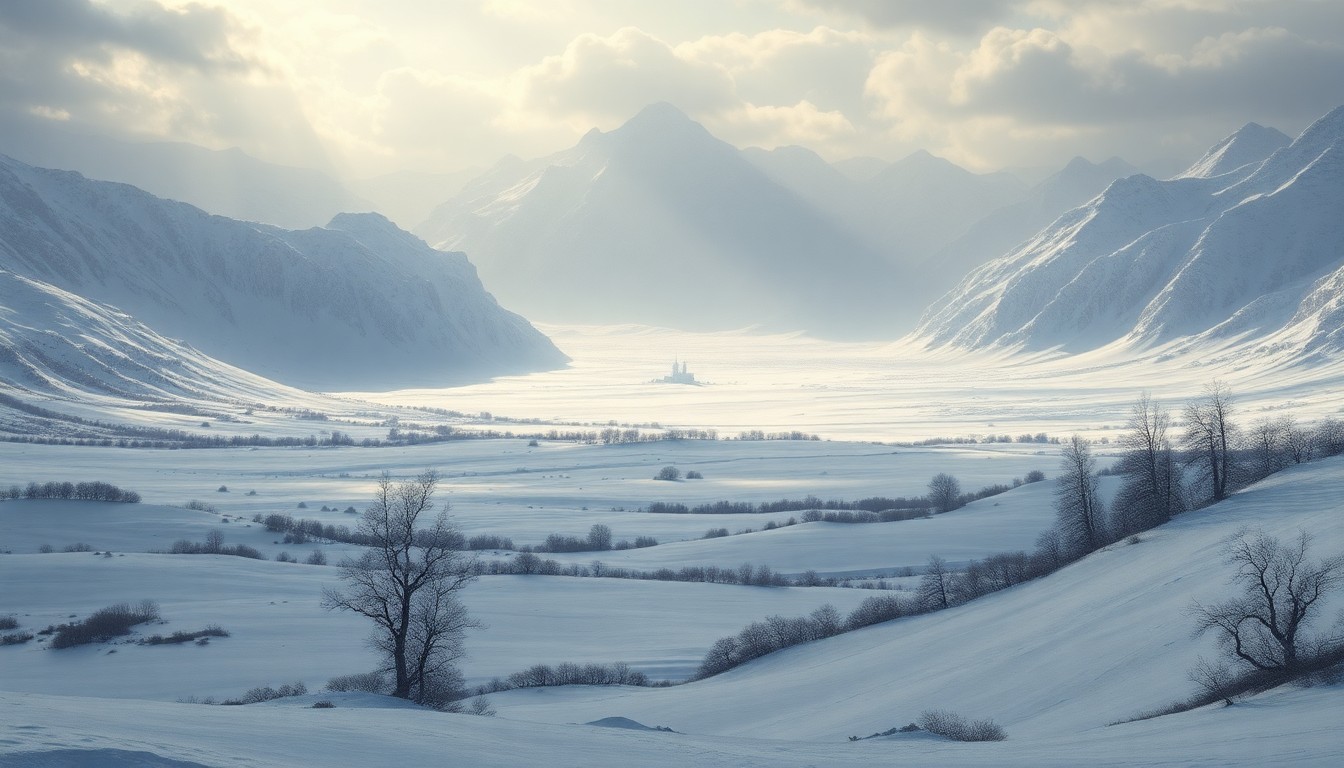 As climate change reduces reliable snowpack, the Western U.S. faces an uncertain water future.Lewiston Today
Idaho's snowpack has reached record lows this year, with some areas seeing maximum snowpack levels arrive over a month early. Scientists are concerned this may be a sign of things to come as the Western U.S. faces a 'snow drought' driven by warmer temperatures and lack of precipitation. Experts say Idaho and other states need to plan for a future with less reliable snowpack, which has traditionally been a crucial part of the region's water management system.
Why it matters
Idaho's snowpack is a vital source of water for the state, feeding rivers and reservoirs that supply drinking water, irrigation, and hydroelectric power. With snowpack levels plummeting, there are major concerns about water shortages and disruptions to the state's agricultural and energy sectors in the coming months and years.
The details
Idaho reached its maximum snowpack levels on March 30 this year, over a month earlier than the usual early April timeframe. Some areas of the state saw the lowest snowpack levels on record. Alejandro Flores, a professor of geosciences at Boise State University, called it a 'historic snow drought' driven by a 'triple whammy' of warm temperatures in December, February, and a lack of precipitation in January.
- Idaho reached maximum snowpack levels on March 30, 2026.
- Snowpack levels usually peak in early April in Idaho.
The players
Alejandro Flores
A professor of geosciences at Boise State University who studies the impacts of climate change on water resources in the Western U.S.
What they’re saying
“'December and February were normal precipitation but very warm. January was a little bit closer to normal temperatures, although it was still warmer, but just no precipitation. And that is what really has set us back in terms of the snowpack.'”
— Alejandro Flores, Professor of Geosciences, Boise State University
“'Trying to figure out what that movement towards what some of my colleagues have called 'low- to no-snow future' means, in terms of our existing water management infrastructure and how we need to adapt.'”
— Alejandro Flores, Professor of Geosciences, Boise State University
What’s next
Experts say the weather over the next few months will be crucial in determining the severity of the water supply issues this summer. Researchers are also working to understand how frequently these 'snow drought' years may occur in the future as the climate continues to change.
The takeaway
This historic low in Idaho's snowpack levels is a stark reminder of the water challenges the Western U.S. is facing due to climate change. States like Idaho will need to rethink their water management strategies and infrastructure to adapt to a future with less reliable snowpack, a vital resource that has long underpinned the region's water supply.
Lewiston top stories



Lewiston events

Apr. 10, 2026
OVERTIME: The Modern Day Outlaw Tour in Lewiston